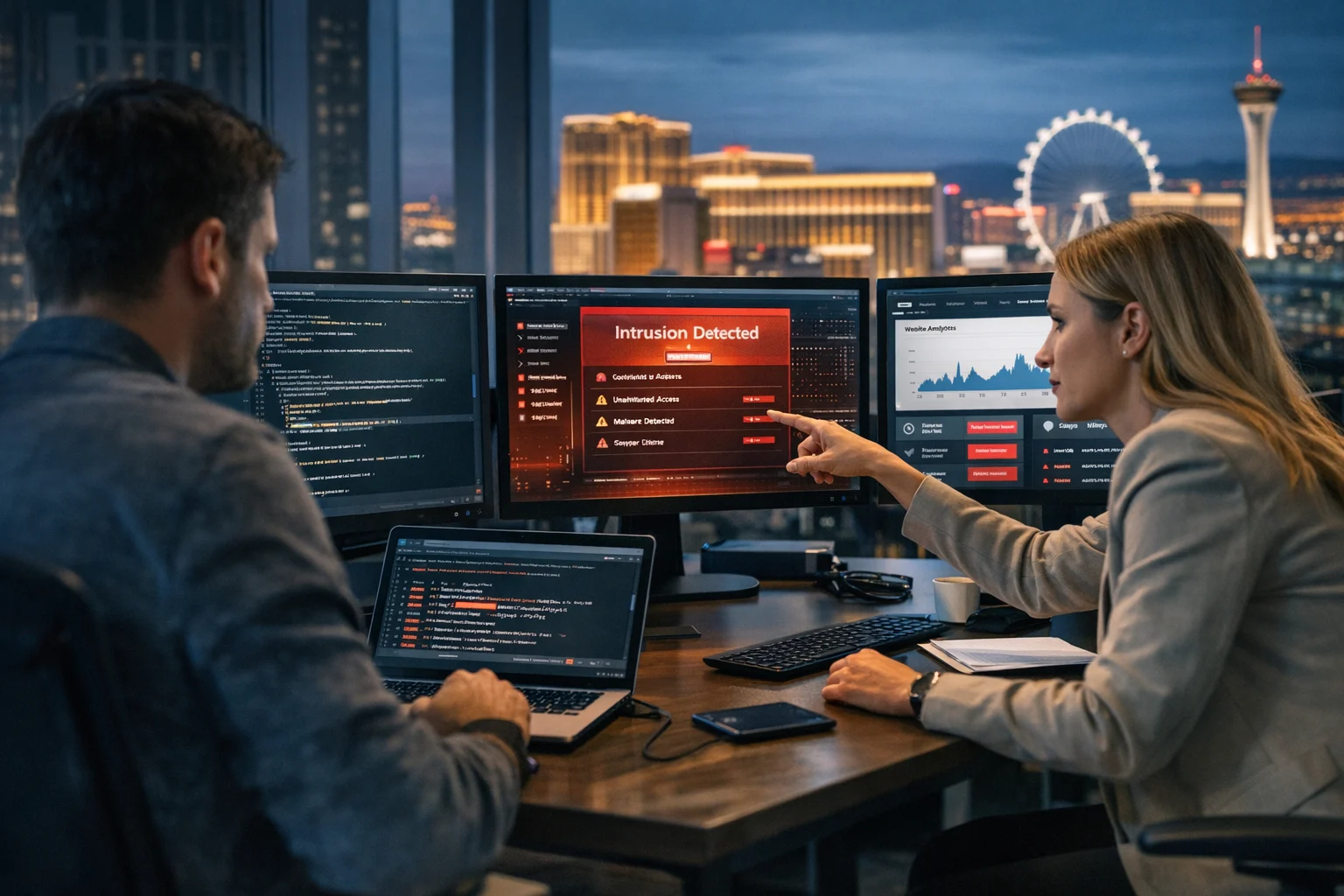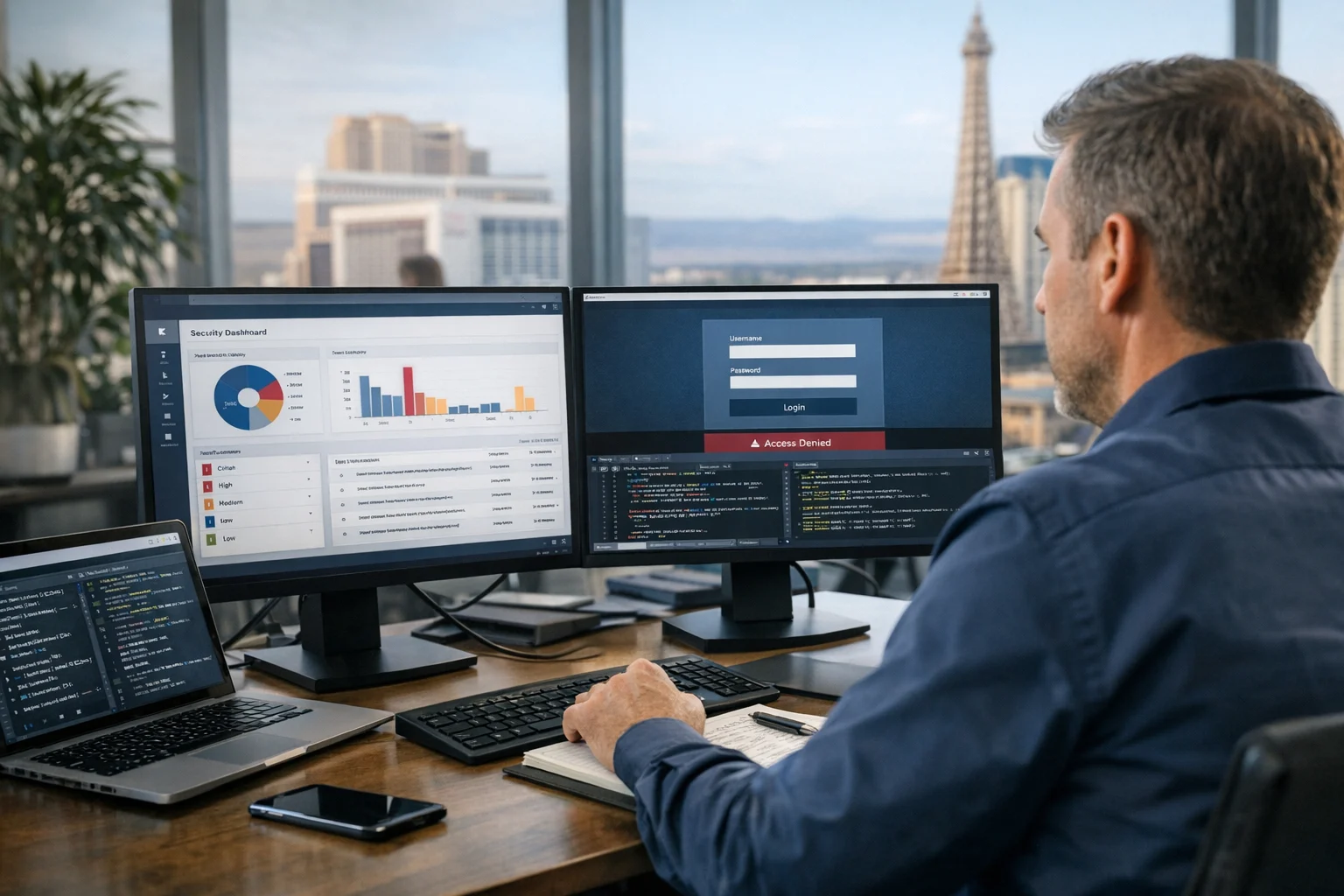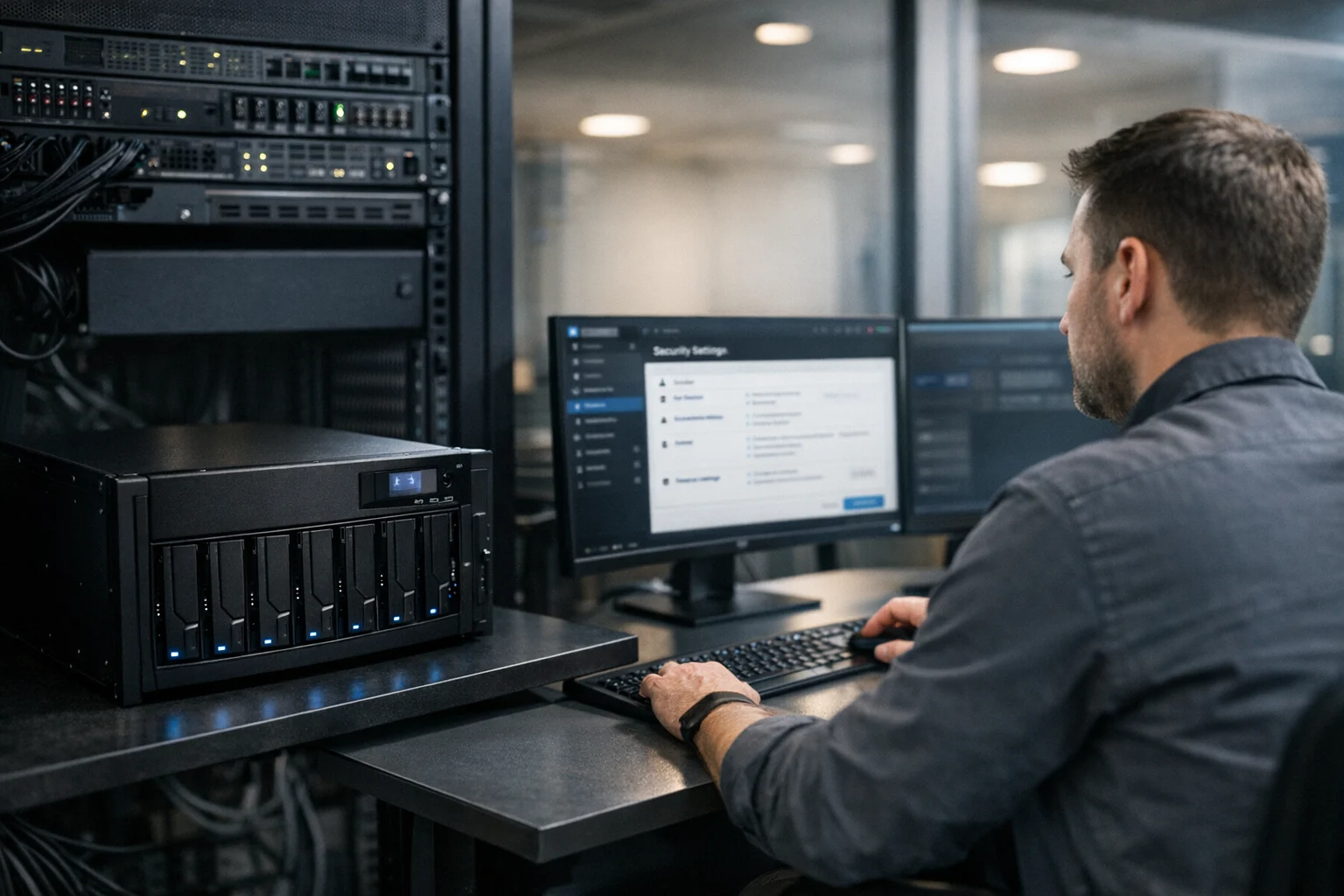
Removing malware from a website can feel like the crisis is over. In reality, it usually means the harder part is just beginning.
We see this all the time at SiteLiftMedia. A business gets the visible malware cleaned up, the site comes back online, and everyone is ready to move on. Then a week later the same spam pages show up again, admin accounts get hijacked again, or Google keeps flagging the domain because the root cause was never fixed. That second hit is often worse than the first because now you have lost time, trust, and revenue.
If you run a business website, an ecommerce store, a lead generation site, or a content platform, securing the environment after malware removal needs to be treated like a recovery project, not a one-time cleanup. That means checking access, patching software, hardening hosting, reviewing logs, improving monitoring, and making sure search visibility is not quietly slipping in the background.
For companies in Nevada, especially in competitive markets tied to Las Vegas SEO, web design Las Vegas, local SEO Las Vegas, hospitality, legal, medical, home services, and ecommerce, a hacked site is more than a technical problem. It can interrupt paid campaigns, tank organic rankings, trigger browser warnings, and hurt conversion rates overnight.
Here is what to do after malware removal if you want the site to stay clean.
Malware removal does not mean the website is secure
One of the biggest mistakes businesses make is assuming cleanup equals protection. Malware removal usually addresses the symptom. It does not automatically answer the more important questions:
- How did the attacker get in?
- What permissions did they gain?
- Did they create backdoor files or hidden accounts?
- Were API keys, database credentials, or hosting logins exposed?
- Is the server itself trustworthy?
- Were SEO spam pages indexed before the infection was found?
A clean homepage means very little if a vulnerable plugin is still active, the same weak password is still being used, or the attacker left behind a scheduled task that phones home later. That is why experienced security teams do not stop at file cleanup. They verify the application, the infrastructure, and the human side of access control.
If you are using WordPress, make sure you understand the most common entry points. Site owners are often surprised by how many infections start with abandoned add-ons, poor update habits, and too many admin privileges. SiteLiftMedia has covered common WordPress vulnerabilities that get sites hacked in more detail, and those same patterns show up constantly in real incident response work.
What to do in the first 24 hours after cleanup
The first day matters because it is your best shot at preventing a reinfection. Once the obvious malware has been removed, slow down and work through a controlled checklist.
1. Take a full backup of the current state
Yes, even after cleanup. You want a preserved copy of the recovered site, the file system, and the database before more changes are made. If you end up needing forensic review, rollback comparison, or legal documentation, that snapshot helps.
2. Put the site behind temporary protections if needed
If you are not confident the environment is stable, restrict admin access by IP, enable maintenance mode for backend work, and place a web application firewall in front of the site. It is better to lock things down for a few hours than to leave the door open while you are still fixing the problem.
3. Scan the whole environment, not just the web root
Many infections are not limited to public website files. Check uploads directories, temporary folders, cron jobs, user home directories, web server configs, database content, and backup archives. Attackers love the places teams forget to review.
4. Review server and application logs
Access logs, error logs, authentication logs, and plugin logs can point to the original vector. Look for suspicious POST requests, newly created admin accounts, unfamiliar IP addresses, file modifications, and repeated login attempts. If you skip this step, you are guessing.
5. Document what was found
Track infected files, timestamps, malicious accounts, plugin versions, and indicators of compromise. This becomes your working map for remediation and makes future audits much easier.
Reset every credential that could have been exposed
After malware removal, assume credentials may have been compromised. That includes more than your CMS login.
At a minimum, rotate:
- CMS administrator passwords
- Hosting control panel credentials
- SFTP and SSH access
- Database usernames and passwords
- CDN and DNS provider logins
- Third-party API keys
- Email account passwords tied to the domain
- Payment gateway and integration secrets if applicable
Do not just change one password and call it done. Attackers often move through connected systems. A compromised email inbox can be enough to reset other credentials later.
Enable multi-factor authentication anywhere it is available. If your platform or host supports hardware keys or authenticator apps, use them. SMS is better than nothing, but app-based MFA is stronger.
Also audit user roles. Remove former staff, outside contractors who no longer need access, duplicate admin accounts, and users with more privileges than necessary. Least privilege is one of the simplest ways to limit damage during the next incident.
Patch the CMS, themes, plugins, and server stack
Outdated software is one of the most common reasons a site gets compromised in the first place. Businesses often invest in custom web design, content, social media marketing, and paid traffic, then leave the technical foundation stale for months. Attackers count on that.
Once malware is removed, bring every part of the stack up to date:
- CMS core
- Themes and child themes
- Plugins and extensions
- PHP or other runtime versions
- Web server software
- Database server versions
- Operating system packages
If an extension is no longer maintained, replace it. If a plugin is not absolutely necessary, remove it instead of just deactivating it. Inactive components can still create risk if they remain installed.
For WordPress sites, old plugin code is a repeat offender. If you suspect that was part of the issue, this SiteLiftMedia guide on how outdated WordPress plugins put business sites at risk is worth reviewing as part of your cleanup checklist.
Patching should become an operating process, not a panic response. If updates keep slipping because nobody owns the task, you do not have a tooling problem, you have a process problem. Our team often helps businesses build a realistic patch cadence as part of website maintenance and cybersecurity services. For a deeper look, see why patch management matters for website security.
Check for persistence and hidden backdoors
This is where many cleanup jobs fall short. The visible malware is gone, but the attacker still has a way back in.
Look for persistence mechanisms such as:
- New admin users with innocuous names
- Obfuscated PHP files in uploads folders
- Modified core files
- Injected JavaScript in templates or database content
- Unauthorized cron jobs or scheduled tasks
- Strange .htaccess rules or web server directives
- Unknown SSH keys
- Hidden redirect scripts
- Database triggers or options set for remote callbacks
File integrity monitoring helps here, but manual review still matters. If your server has been deeply compromised, especially if there are signs of root access or privilege escalation, cleanup may not be enough. In some cases, the right move is a clean rebuild from trusted sources rather than trying to sanitize a system you can no longer trust. SiteLiftMedia breaks down that decision in when to rebuild a compromised server instead of cleaning it.
Harden the hosting environment, not just the website
Business owners often focus on the CMS because that is what they can see. Attackers care just as much about the server, the account structure, and weak hosting practices.
Server hardening should include:
- Disabling unused services and modules
- Locking down file permissions
- Separating accounts where possible
- Restricting SSH and admin panel access
- Enforcing strong TLS settings
- Limiting write permissions in sensitive directories
- Disabling dangerous PHP functions if appropriate
- Using a firewall with sensible inbound rules
- Keeping malware scanning and log monitoring active
Shared hosting setups and poorly managed VPS environments often leave too much exposed. If you have multiple sites under one account, one compromise can spread to the rest. That risk is especially serious for agencies, franchise groups, and businesses running microsites or location pages.
This is why system administration matters just as much as web development. If your business relies on the site for lead flow, bookings, or transactions, server hardening is not optional maintenance. It is part of business website security. SiteLiftMedia covers the operational side in secure website hosting and system administration best practices.
Clean up SEO damage and reputation signals
Malware incidents are rarely just security incidents. They are often SEO incidents too.
Attackers inject spam pages, casino links, pharma content, malicious redirects, and cloaked pages designed for search engines. If those pages get indexed, your rankings and brand trust can take a hit even after the malware is removed.
After technical cleanup, check:
- Google Search Console security issues
- Manual actions and indexing anomalies
- Sudden spikes in indexed pages
- URL inspection for suspicious paths
- Sitemaps for unauthorized entries
- Backlink profile changes and toxic injections
- Canonical tags and metadata changes
Request review in Search Console if the site was flagged. Submit removals for hacked URLs if necessary. Rebuild clean XML sitemaps. Inspect critical revenue pages and local landing pages. If you are competing in a crowded market like Las Vegas SEO, local SEO Las Vegas, or service-based search terms, even a short disruption can affect leads and map visibility.
It is also smart to audit performance at the same time. Malware often adds scripts, redirects, or bloated code that slows down the site. That hurts user experience, paid traffic efficiency, and technical SEO. Recovery is a good time to pair security hardening with a website refresh project, especially if your site design, speed, and conversion flow were already lagging.
Set up monitoring so you are not relying on luck
If your current security approach depends on someone noticing a problem after customers call, it is already too late.
Once the site is clean, add monitoring that alerts you before the damage spreads:
- Uptime monitoring
- File change detection
- Malware scanning
- Failed login alerts
- Traffic anomaly monitoring
- SSL certificate monitoring
- Blacklist and reputation checks
- Log aggregation and alerting
For ecommerce or high-traffic lead generation sites, consider more advanced controls like endpoint detection on the server, centralized logging, security event correlation, or periodic penetration testing. Businesses often think penetration testing is only for large enterprises, but it is extremely useful for any company handling payments, lead data, health information, or proprietary customer records.
If you are planning Q1 growth strategies, new campaigns, or a redesign, build monitoring into the budget from the start. Pushing more traffic to an insecure platform is how small problems turn into expensive incidents.
Review backups before you trust them
Backups are only helpful if they are clean, recent, and restorable.
After a malware incident, audit your backup setup carefully:
- Verify when known good backups were created
- Check whether backup archives include infected files
- Make sure backups are stored off server
- Test restoration in a staging environment
- Retain enough history to recover from delayed discovery
Many businesses learn the hard way that their last six backups all contain the same infection because the malware sat unnoticed for weeks. That is another reason file monitoring and log review matter. You want the earliest trustworthy recovery point you can find.
It is also smart to separate production backups from hosting account access. If the same compromised credentials can delete your backups, your recovery plan is weaker than it looks.
Fix the business process that allowed the compromise
Technology is only part of the problem. The other part is usually operational.
Ask a few uncomfortable questions:
- Who owns patching?
- Who approves plugin installs?
- How often are user accounts reviewed?
- Who gets security alerts and what happens next?
- Is there a documented incident response process?
- Are developers, marketers, and IT aligned on launch checklists?
Marketing teams often add tracking scripts, landing page tools, chat widgets, and third-party integrations without a security review. Developers may launch quickly and skip hardening. Leadership may assume the hosting provider handles everything. That gap is where a lot of incidents begin.
A strong agency partner helps close it. At SiteLiftMedia, we regularly work across web design Las Vegas projects, SEO campaigns, hosting support, cybersecurity services, and system administration because websites do not live in silos. A redesign without hardening is risky. Aggressive backlink building services aimed at a compromised site will not fix trust issues. Social media marketing that sends traffic to a blacklisted domain burns budget and brand equity fast.
When it makes sense to bring in outside help
Some malware cleanups are simple. Many are not.
You should strongly consider outside help if:
- The site was reinfected after an earlier cleanup
- You do not know the original attack vector
- Search engines or browsers are still flagging the domain
- Admin accounts keep reappearing
- The server may have been compromised beyond the web app
- You are handling customer data or payment information
- Your internal team is already overloaded
This is especially true for businesses where the website directly supports revenue. Law firms, med spas, contractors, restaurants, ecommerce brands, SaaS companies, and multi-location businesses in Las Vegas and nationwide cannot afford extended uncertainty after a hack.
A proper recovery plan often blends malware cleanup, server hardening, website maintenance, technical SEO recovery, system administration, and sometimes a rebuild into a more secure platform. That is not overkill. It is what it takes to get out of reactive mode.
A practical recovery checklist
If you want a short version to use internally, start here:
- Back up the cleaned site and affected systems
- Identify the original infection vector
- Rotate all relevant credentials and enable MFA
- Update the CMS, plugins, themes, and server software
- Remove unused plugins, users, and services
- Scan for backdoors, scheduled tasks, and modified files
- Harden the server and review file permissions
- Audit Search Console, indexing, and spam URLs
- Verify clean, restorable backups
- Set up ongoing monitoring and alerting
- Assign ownership for maintenance and incident response
If your site has been cleaned but you are not confident it is actually secure, contact SiteLiftMedia. We help businesses recover from malware, fix the SEO fallout, and harden the hosting stack so the same problem does not come back a week later.
Photo Gallery