Social media algorithm changes used to feel like a problem mostly for creators and media brands. That is no longer the case. For local businesses, service companies, ecommerce brands, law firms, contractors, medical practices, and multi location organizations, algorithm shifts now affect lead flow, sales cycles, customer trust, and even how well your website performs after a campaign goes live.
If your team has been asking why engagement feels less predictable, why follower counts do not translate into traffic, or why some posts suddenly break through while polished branded content stalls, the answer usually comes back to the same thing. Platforms keep changing what they reward.
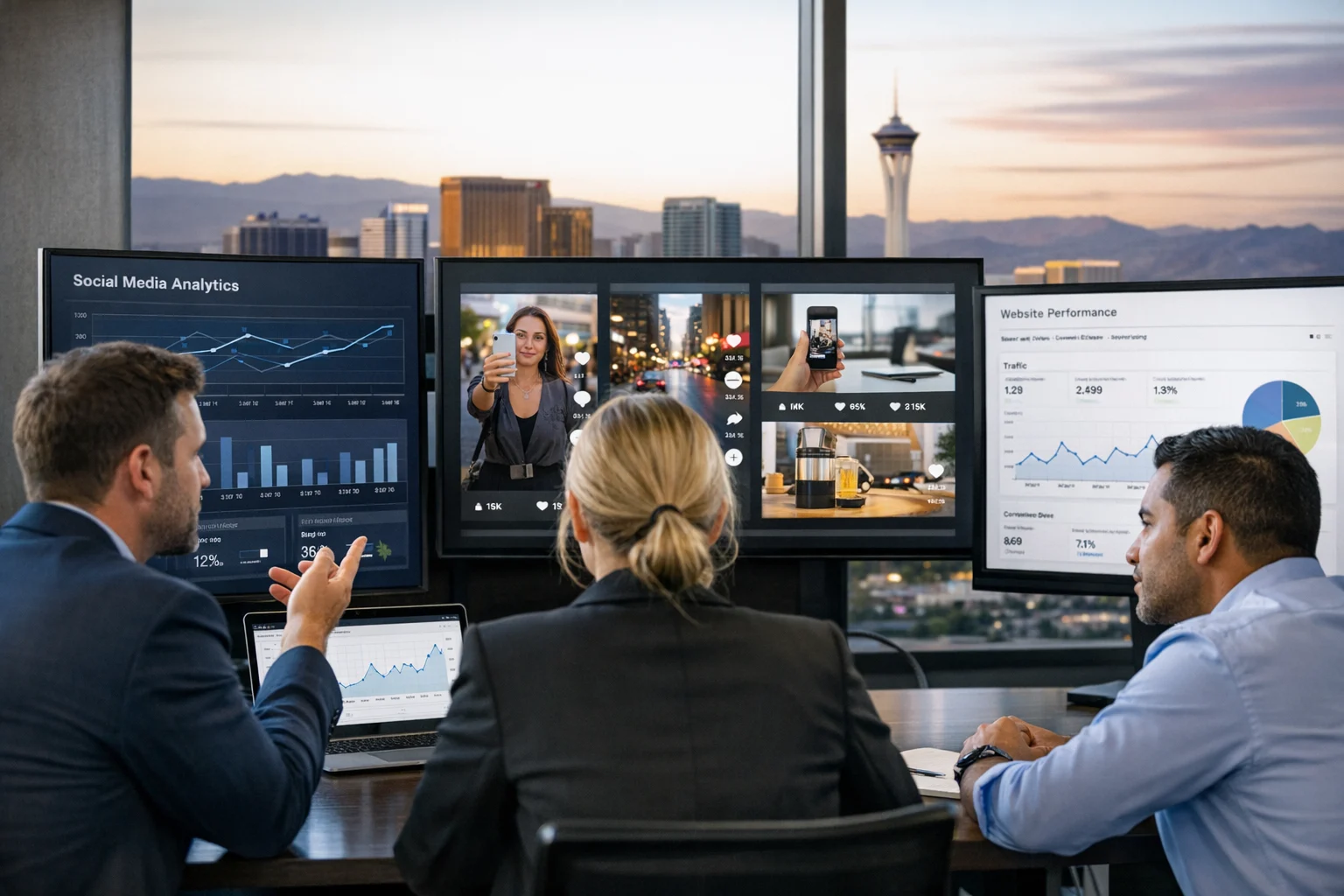
At SiteLiftMedia, we see this firsthand with clients in Las Vegas and across the country. A campaign can be technically sound, visually strong, and still underperform if it is built on outdated assumptions about Facebook, Instagram, LinkedIn, TikTok, YouTube Shorts, or X. The businesses that adapt fastest stop treating social media like a posting calendar and start treating it like a moving distribution system tied to SEO, web design, conversion rate optimization, and business website security.
That shift matters even more in competitive local markets. A company trying to stand out in Las Vegas is often competing against aggressive advertisers, polished brand visuals, and a nonstop stream of content. Social media marketing cannot be isolated from the rest of your digital presence anymore. If the algorithm changes, your website, landing pages, analytics, technical SEO, and follow up systems need to keep pace too.
What social media algorithms are actually changing
Most business owners hear the word algorithm and think it only refers to what appears in the feed. That is part of it, but the changes go further than feed ranking.
Platforms now adjust how they evaluate:
- Watch time and retention
- Comment quality and conversation depth
- Saves, shares, and sends
- Original content versus duplicated content
- Topic relevance and audience match
- Link behavior, especially posts that send users off platform
- Ad relevance and landing page experience
- Account consistency, trust signals, and authenticity
That means a business can no longer rely on simple reach tactics like posting every day, using trending sounds without context, or stuffing captions with hashtags. Some of those tactics still help in specific situations, but they are not dependable on their own.
The most important pattern right now is that platforms increasingly reward content that keeps users engaged inside the app while also matching real user intent. That creates tension for businesses because your goal is not to keep people scrolling forever. Your goal is to generate inquiries, calls, appointments, purchases, and repeat business.
So the question is not how to beat the algorithm. It is how to work with platform behavior while still moving people into your sales process.
Why organic reach feels less stable for businesses
Many brands built their social strategy around the idea that if they published consistently, their audience would see a fair percentage of their posts. That model has been fading for years. Social platforms are now much more interest based than follower based.
A person may follow your company page and still barely see your posts. At the same time, non followers may see your videos if the content format, topic, and engagement profile align with current platform priorities.
For business marketing, this creates two big realities.
Follower count is less valuable than content fit
We have seen businesses with modest audiences outperform much larger competitors because their content answered clearer questions, sparked stronger conversations, or delivered useful demonstrations quickly. The algorithm increasingly cares about whether the content earns attention, not whether the page has history alone.
Brand safe content is not always attention worthy content
This one is uncomfortable for internal teams. A lot of company content is polished but passive. It looks professional, but it does not trigger interaction. Social algorithms do not reward content simply because it matches a brand style guide. They reward content that creates a response.
That does not mean your business should act unprofessional or chase every trend. It means your message needs a stronger point of view, clearer hooks, and better packaging. A clean video thumbnail, a sharper opening line, a customer pain point, or a direct comparison can change performance dramatically.
What these changes mean for paid social campaigns
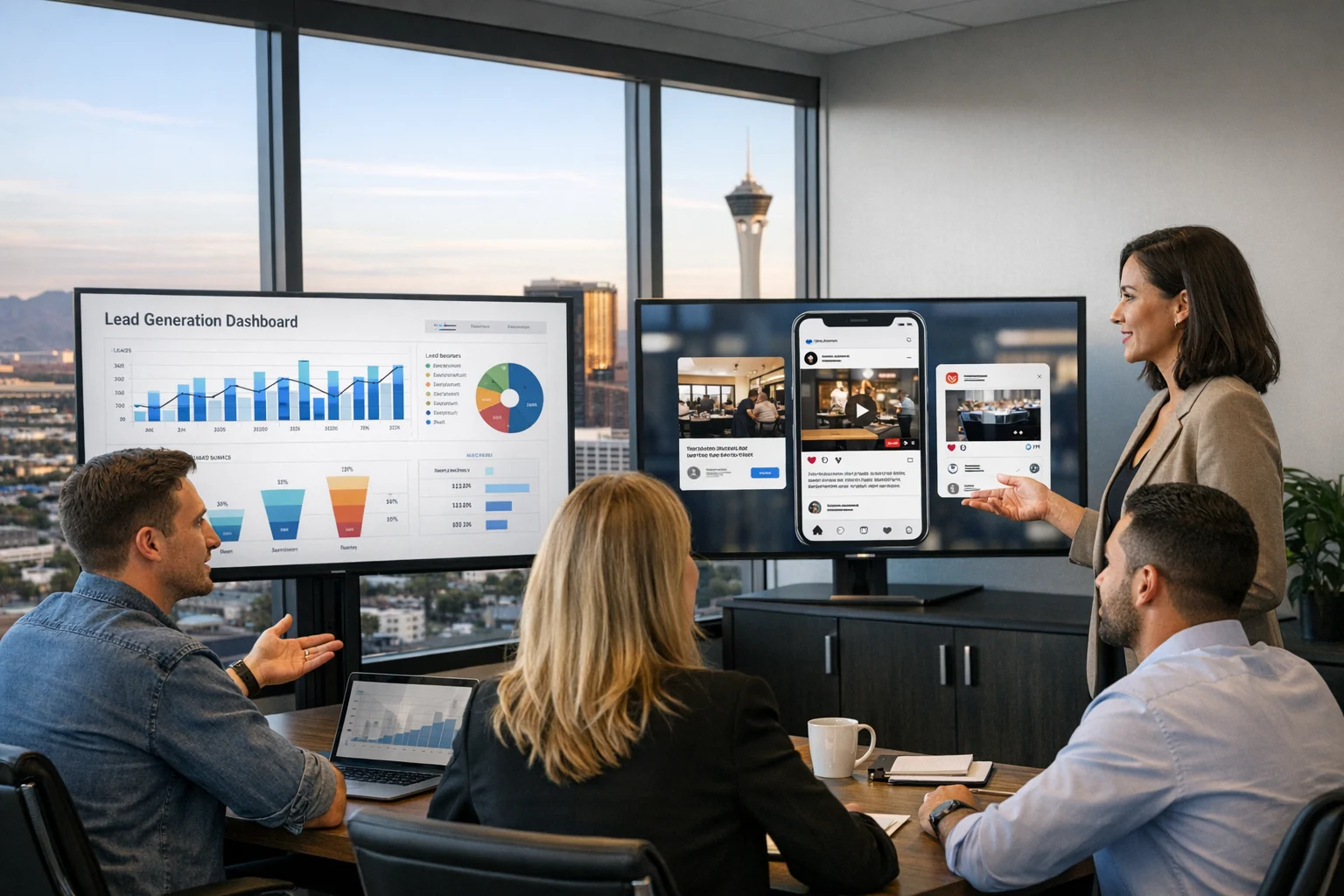
Some decision makers assume that organic algorithm shifts only affect unpaid posts. In reality, paid campaigns are affected too, especially as platforms rely more heavily on AI based ad delivery and behavioral signals.
Ad systems are getting better at finding likely converters, but they are also less forgiving when creative is weak or the post click experience is poor. You can have a decent media budget and still waste it if the ad leads to a slow page, a confusing service page, or a form that asks for too much too soon.
This is where social media marketing starts to overlap with web design Las Vegas searches, technical SEO, and conversion focused development. Your ad may win the click, but your website has to win the lead.
Businesses running paid campaigns should be watching:
- Creative fatigue, especially in short form video
- Landing page speed and mobile usability
- Offer alignment between ad copy and page content
- CRM tracking and attribution accuracy
- Audience overlap and frequency issues
- Retargeting limitations caused by privacy changes
For local service companies in Nevada, this matters even more. A Las Vegas home services business, medical office, restaurant group, or law firm may be paying premium rates for local attention. If the traffic lands on a weak page, paid social turns into expensive noise. That is one reason we often connect social strategy with fast loading websites for Las Vegas businesses. Speed and usability are not side issues. They directly influence campaign efficiency.
Short form video is still dominant, but the strategy has matured
There was a stage when simply showing up on Reels, TikTok, or Shorts was enough to get experimental reach. That window has narrowed. Short form video still matters, but the standards are higher.
Businesses now need to think about:
- How quickly the first two seconds establish relevance
- Whether the video answers a real buyer question
- If the speaker feels credible and human
- How strongly the video leads to the next action
- Whether the content can be repurposed across platforms without feeling copied
For example, a commercial contractor in Las Vegas might perform better with a direct video explaining why project timelines slip in summer heat than with another generic branding montage. A dental practice may get more traction from a simple camera explanation of insurance myths than from a polished office tour. A B2B firm may see stronger LinkedIn reach by responding to a market change than by posting a culture photo with no business value.
The algorithm is increasingly selecting content that feels useful, immediate, and context aware. Businesses that know their customer questions deeply have an advantage here.
Your website matters more when social traffic is less predictable
One of the biggest mistakes we see is treating social media as a self contained lead source. It is not. Social platforms are often the first touch, not the full journey.
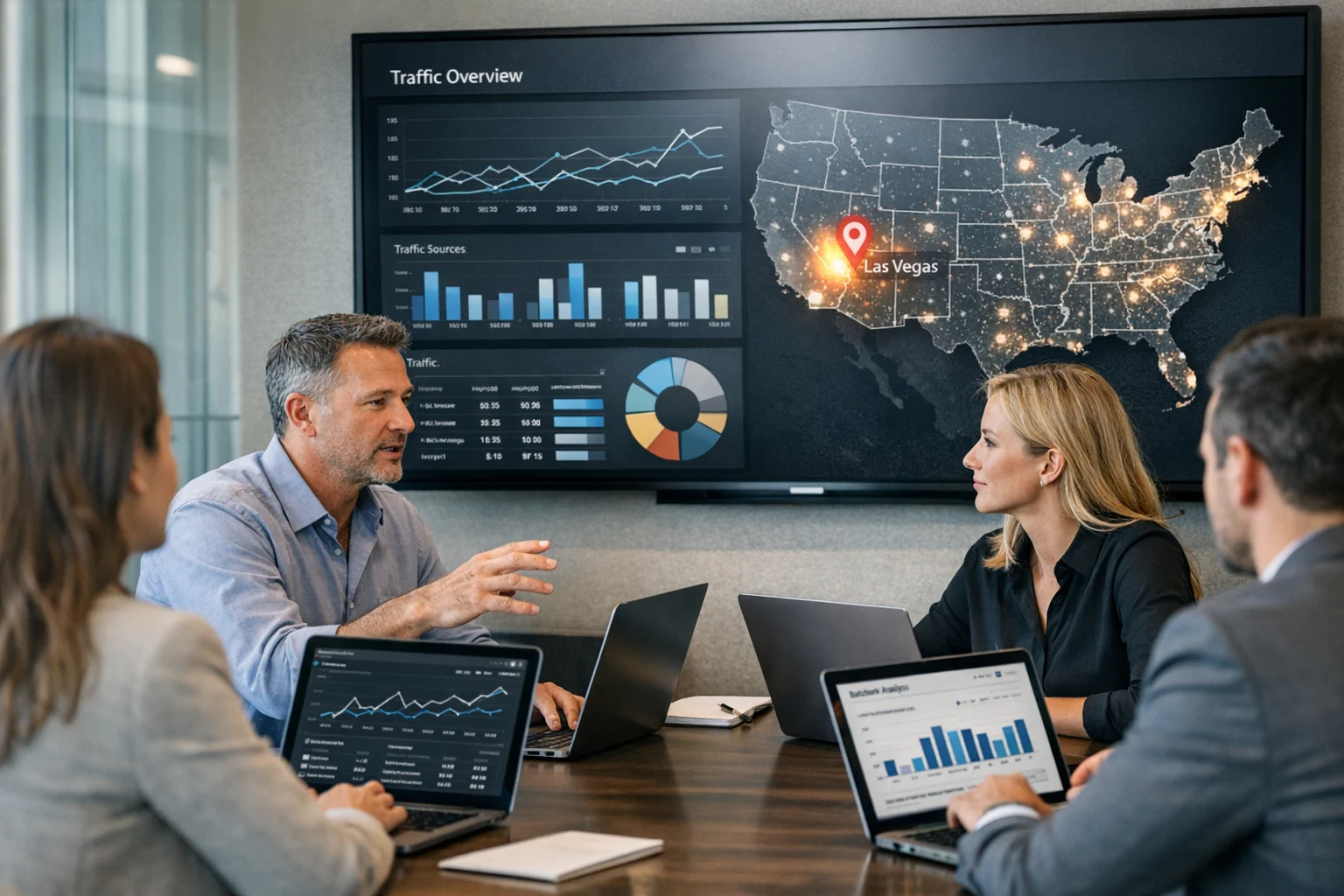
If someone discovers your business on social, then searches your brand on Google, clicks your site, compares reviews, and checks your service pages before contacting you, social is influencing a broader search and conversion path. That is why social algorithm changes also affect SEO outcomes.
When reach drops or platform traffic becomes inconsistent, your owned channels become even more important. That includes:
- Your website structure
- Local landing pages
- Service page quality
- Technical SEO health
- Analytics setup
- Email capture and retargeting infrastructure
Businesses that invest in Las Vegas SEO and local SEO Las Vegas strategies are often more resilient when social platforms shift. Why? Because they are not relying on one source of attention. They can still capture demand from people actively searching for services.
We have seen this with service companies that support spring marketing pushes. Social content builds awareness, but local organic search captures intent when people are ready to act. If your social campaigns are producing brand searches and direct traffic, that momentum should be reinforced by strong SEO pages, internal linking, and content expansion. If it is not, you are leaking value.
For a wider view of how discovery channels are shifting, our article on AI overviews and organic traffic changes for businesses is worth a read. Search behavior and social distribution are moving together more than many brands realize.
Local businesses in Las Vegas have a different level of competition
Nationwide advice on social media marketing is often too broad to help local businesses in fast moving metros. Las Vegas is different. The market has intense competition, a heavy mobile audience, strong hospitality influence, transient traffic in some sectors, and a constant need to stand out visually.
If you are trying to rank and convert in local search while also staying visible on social, the strategy has to be tighter.
Local proof beats generic promotion
Algorithms and buyers both respond well to real local context. Businesses should use neighborhood references, local project examples, event based timing, local customer stories, and region specific pain points where appropriate. That content tends to feel more credible and more memorable.
Search intent and social intent should support each other
If someone watches a social video about emergency HVAC repair, your website should have a clear, fast, mobile friendly emergency service page. If your business posts heavily about remodeling, there should be matching project galleries, service details, and quote forms. This is where custom web design and content planning make a real difference.
Reputation signals matter more
When social reach is inconsistent, buyers use reviews, Google Business Profile activity, and search results to validate your credibility. That makes local SEO Las Vegas work part of the same funnel, not a separate channel.
For companies comparing providers, this is where an experienced SEO company Las Vegas businesses can call becomes valuable. The best agencies are not just posting content or tweaking title tags. They are connecting social visibility, search demand, conversion paths, and reporting.
Algorithm changes are pushing businesses toward stronger creative fundamentals
There is a temptation to chase platform specific hacks every time reach changes. In practice, the businesses that hold up best usually do a few timeless things well.
- They speak clearly about customer problems
- They show evidence, not just claims
- They use real people and real expertise
- They build content around questions buyers already ask
- They make the next step easy
That is one reason templated content calendars often disappoint. If every post looks like a slightly revised version of the last one, the audience stops responding and the platform notices. A stronger approach is to build content from sales conversations, support tickets, objections, proposals, FAQs, and field experience.
For example, a cybersecurity firm should not only post breach headlines. It should explain what those breaches mean for normal businesses, what server hardening actually protects, when penetration testing is worth the investment, and how cybersecurity services reduce operational risk. That type of content is more likely to earn trust because it solves confusion.
The same applies to agencies. If SiteLiftMedia is helping businesses with web design, SEO, app development, PPC, website maintenance, system administration, and business website security, our social content needs to reflect actual implementation knowledge. That is what decision makers respond to.
Social success now depends on infrastructure, not just content
This is the part many marketing conversations skip. Algorithm changes do not only reward better posts. They expose weak infrastructure.
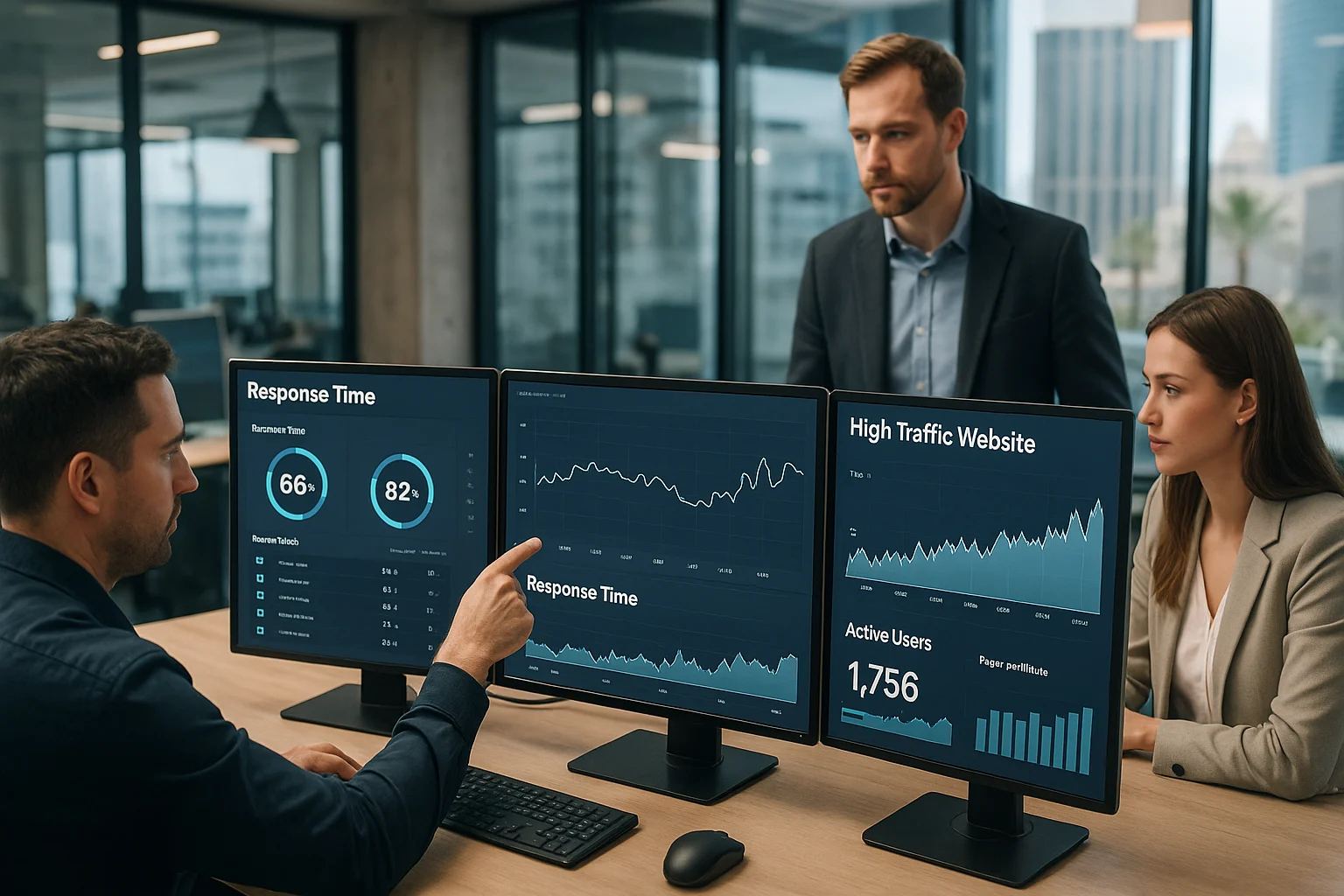
If a campaign starts working, can your website handle the traffic? Is your CRM tagging lead sources correctly? Are form submissions secure? Are you protecting business data if staff log into social and ad platforms from multiple devices? Have old plugins, weak permissions, or poorly managed hosting created risks that surface right when traffic spikes?
For some businesses, the biggest issue after a strong social push is not reach. It is operational readiness.
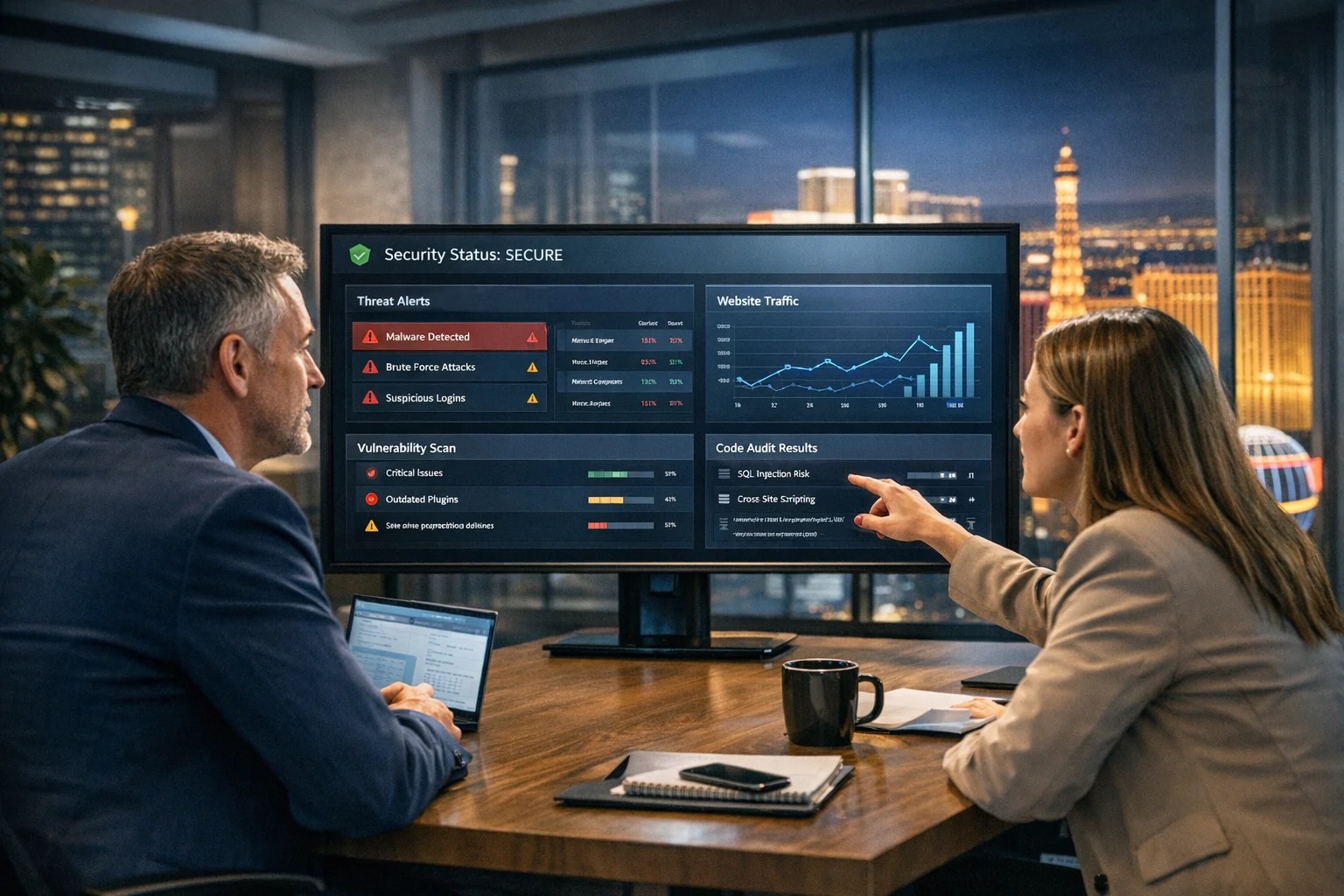
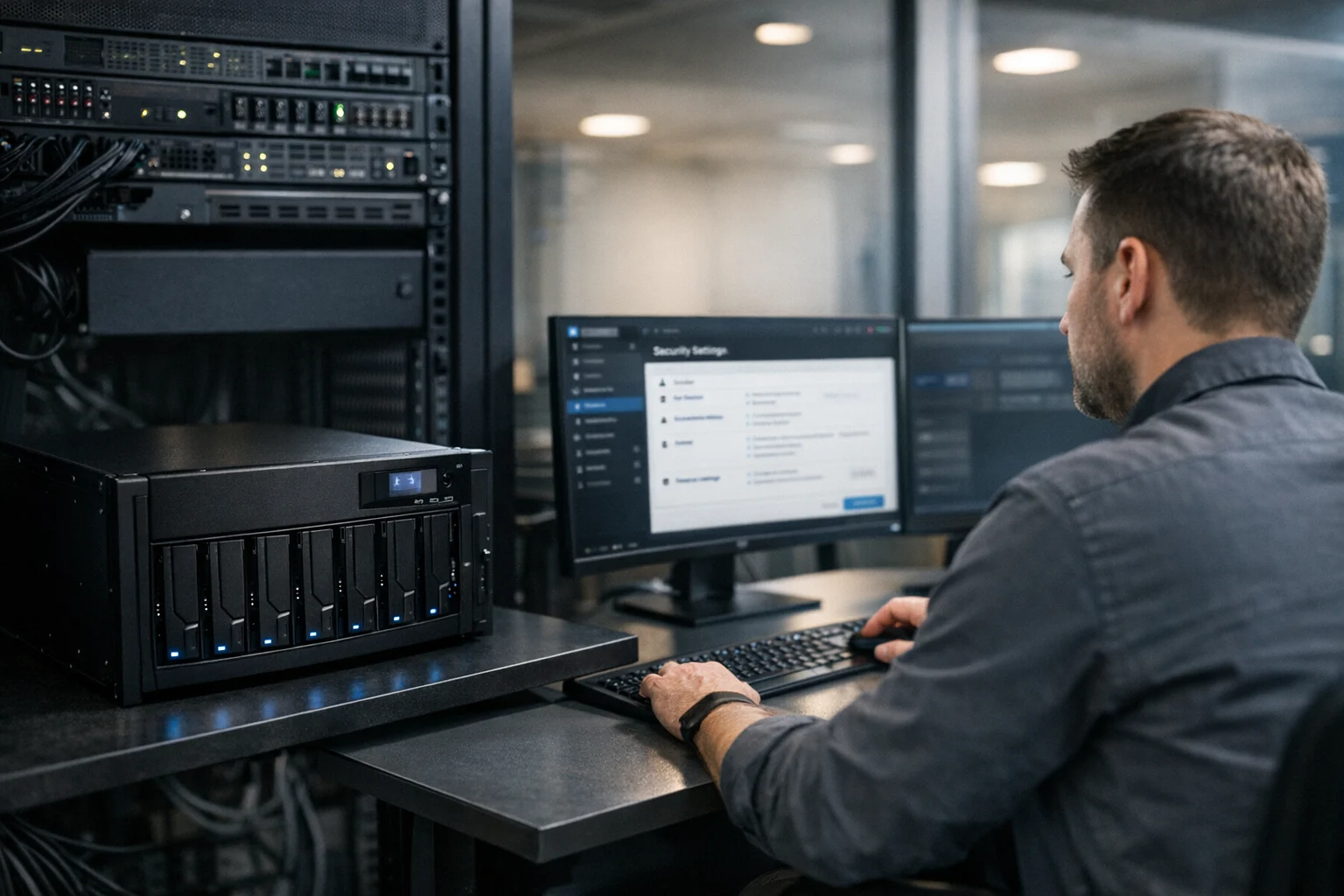
That is why digital growth work increasingly overlaps with system administration, website maintenance, cybersecurity services, and server hardening. A campaign that sends people to a compromised site or unstable landing page damages more than short term performance. It damages trust.
If your team has not reviewed core website risk lately, our guide on how to check if your website is vulnerable is a practical place to start. Social media may be the traffic source, but business website security protects the outcome.
What businesses should change in their marketing plan right now
The smartest response to social media algorithm changes is not panic, and it is not posting more random content. It is tightening the full marketing system.
1. Build around audience questions, not content quotas
Start with what prospects ask before they buy. Create content that addresses price concerns, timing, misconceptions, comparisons, mistakes, and expected results. This gives the algorithm something useful to distribute and gives your sales team assets they can actually use.
2. Improve creative testing speed
Do not wait six weeks to learn what works. Test multiple hooks, formats, video lengths, thumbnails, and calls to action. The brands that adapt fastest usually have a simple process for learning quickly.
3. Strengthen the website before traffic scales
Review mobile speed, forms, page clarity, trust signals, and service page quality. If your business has been putting off redesign planning, this is the moment to address it. Better performance from social often depends on a better site experience. If your current pages are dated, slow, or hard to update, custom web design can pay off faster than another round of disconnected content production.
4. Pair social with SEO instead of choosing between them
Social can generate awareness. SEO captures active demand. Strong technical SEO, local pages, service content, and even selective backlink building services give your brand more stability when platform reach fluctuates. Businesses that treat channels as connected usually make better use of every marketing dollar.
5. Clean up tracking and attribution
Many companies still cannot clearly tell whether a lead came from an ad, an organic post, a branded search, or a referral path influenced by social. That makes decision making slower and less accurate. Better tracking leads to better budget allocation.
6. Use seasonal timing intelligently
Spring marketing pushes, summer demand spikes, and year end promotions all create windows where social competition intensifies. Plan content, landing pages, ad creative, and infrastructure cleanup before those periods, not during them.
What decision makers should expect from an agency now
If you are evaluating outside help, social media management alone is often not enough anymore. You should expect strategic coordination across content, paid media, SEO, landing pages, analytics, and technical support.
That does not mean every business needs every service at once. It does mean the agency should understand how these systems interact.
For example, if a Las Vegas business comes to us after a drop in social performance, the answer might include:
- Reworking short form video strategy
- Improving landing page speed and messaging
- Updating local SEO pages
- Fixing technical SEO issues that block search visibility
- Adjusting paid social targeting and creative rotation
- Cleaning up website maintenance problems
- Reviewing server hardening and admin access controls
That is how modern digital growth works. Platforms change, audience behavior shifts, and the brands that keep growing are the ones with a connected system behind the campaign.
At SiteLiftMedia, we help businesses connect those moving parts, from Las Vegas SEO and web design Las Vegas projects to paid campaigns, local SEO, app development, penetration testing, system administration, and business website security. If your social results have become less predictable, it may be time to look beyond the feed and fix the parts of your marketing system that influence what happens after the click. If you want a second set of eyes on your content, traffic flow, website performance, or local search visibility, contact SiteLiftMedia.
Photo Gallery