Search traffic is changing fast, and many business owners are feeling it before they fully understand why. One month, impressions rise. The next, clicks slip. Rankings still look solid, but lead volume feels less predictable. Then someone on the team opens Google, sees an AI-generated answer at the top of the results, and asks the obvious question: are we losing traffic because of this?
The short answer is yes, sometimes. But the better answer is that AI Overviews are changing how organic traffic works, not simply wiping it out. For some businesses, that means fewer low-intent clicks and a bigger need to win higher-value visits. For others, especially local service companies, multi-location brands, and competitive B2B firms, it means SEO strategy has to move beyond ranking for broad informational terms.
At SiteLiftMedia, we’ve been watching this shift across industries, including many local and regional campaigns tied to Las Vegas SEO, local SEO Las Vegas, and broader national search visibility. The businesses performing best right now are not panicking. They’re tightening technical SEO, improving topical coverage, strengthening local signals, and making sure their websites convert the traffic that still comes in.
If you’re a business owner, marketing manager, or operations lead trying to make sense of the shift, here’s what actually matters.
What AI Overviews are changing in search results
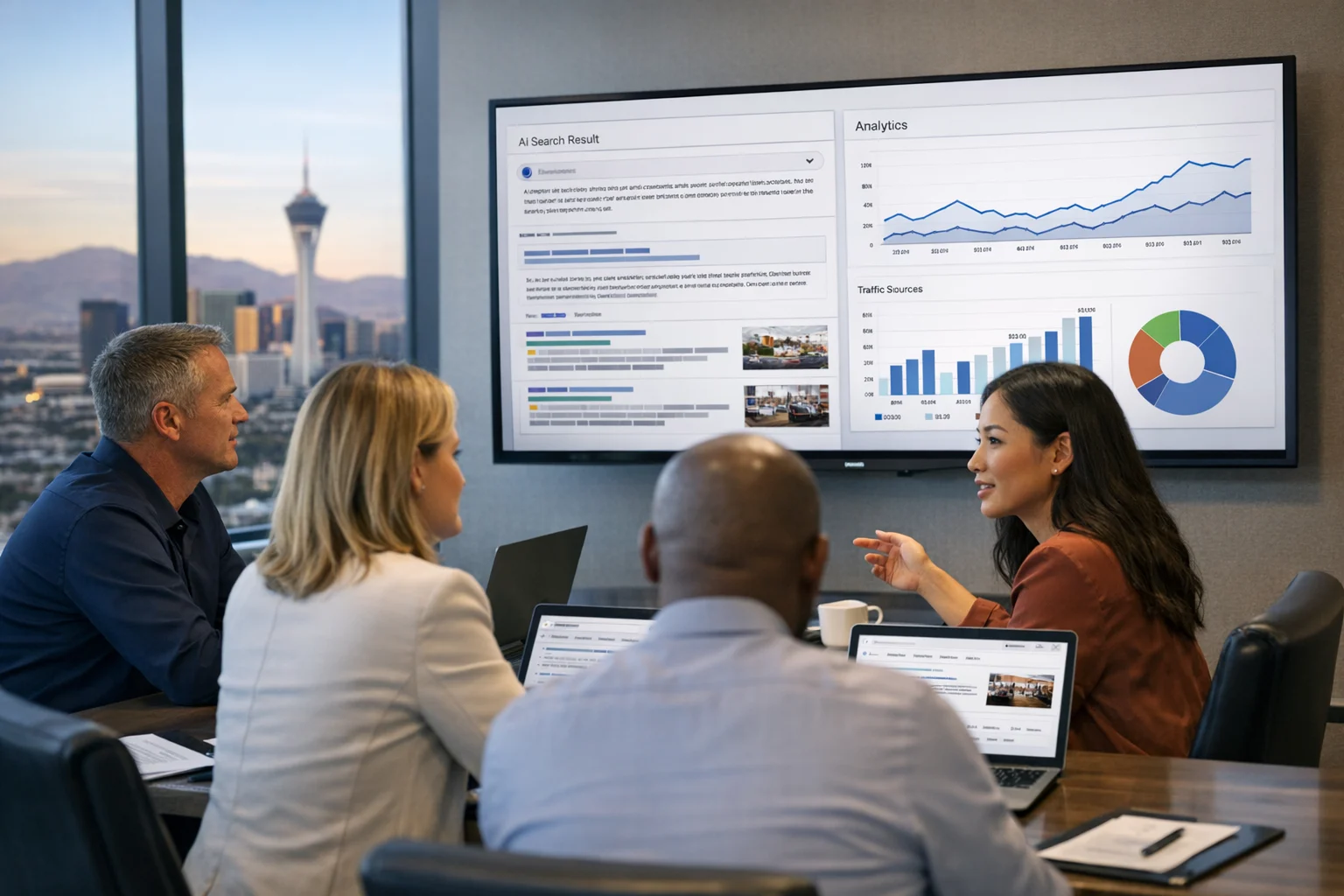
AI Overviews are Google’s attempt to answer certain queries directly in the search results using summarized information from multiple sources. That means users can get a quick explanation, comparison, or recommendation before they ever click through to a website.
This matters because traditional SEO has long depended on earning the click. If your page ranked in the top few positions for a high-volume question, you could bring in a steady stream of visitors. Now, some of those visits stop at the results page.
That does not mean SEO is dead. It means search behavior is getting more layered.
- Some queries are now answered partly inside Google
- Some searchers will only click when they need detail, proof, pricing, or local options
- Some clicks are shifting toward brands Google appears to trust most
- Some users are skipping generic research and moving straight to decision-stage searches
That last point is easy to miss. When AI Overviews handle the broad educational step, your website may get fewer early-stage visits, but more people may arrive ready to compare providers, request a quote, or evaluate expertise. For a serious company, that can still work very well if the site is built to convert.
Why your organic traffic reports may look worse before they look clearer
Many teams are seeing a drop in organic clicks while impressions remain steady or even increase. That creates confusion, especially for executives who are used to treating traffic growth as the main success metric.
Here’s what’s often happening:
Impressions increase because your content is still visible
Your pages may still appear in search results, and Google may even surface them among the sources that inform AI-generated answers. Visibility has not disappeared.
Clicks decrease because users get enough information earlier
If a searcher asks a simple question and sees a complete summary, they may not need to visit your site for that first step.
CTR shifts by query type
Top-of-funnel content tends to feel the pressure first. Terms like “what is,” “how does,” or “best way to” are more likely to be absorbed into AI Overviews than highly specific service, local, or transactional searches.
Lead quality may improve even if sessions decline
Some businesses report lower traffic but stronger form fills, calls, and booked consultations. That’s because less qualified visitors are dropping off earlier, while high-intent users keep moving.
This is why reporting needs to mature. If your agency or internal team is still presenting SEO success as a simple chart of traffic up or down, they’re missing the real story.
You need to evaluate:
- Branded versus non-branded organic performance
- Lead volume and lead quality
- Landing pages tied to revenue
- Search visibility by intent stage
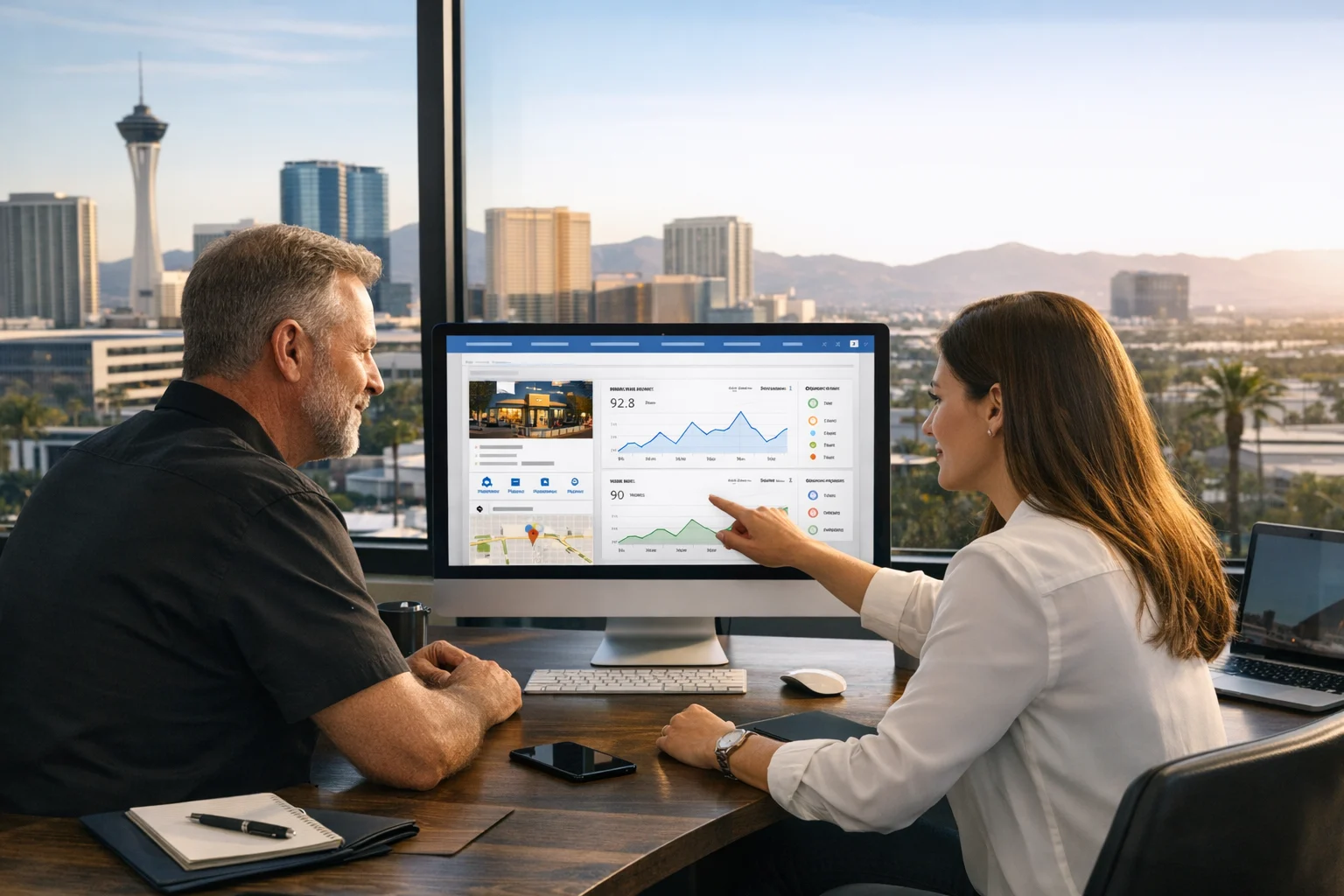
- Local pack visibility and Google Business Profile performance
- Phone calls, quote requests, booked demos, and tracked conversions
If you need a practical framework for reviewing where organic opportunity still exists, this guide on how to audit a website for organic traffic opportunities is a smart place to start.
Not every drop in clicks is a business problem
This is the part many companies need to hear. Fewer clicks are not automatically bad.
If you sell high-value services like legal work, healthcare, SaaS, home services, commercial construction, IT support, managed security, or professional consulting, random educational traffic is not your real goal. Your goal is qualified demand.
Let’s say your website used to get 5,000 organic visits a month from broad informational content. If AI Overviews reduce that to 3,800 visits, but your service pages and local landing pages now attract more decision-stage visitors, revenue may hold steady or grow.
That’s especially true when the website has:
- Strong service page structure
- Clear trust elements and proof
- Fast load times
- Good mobile usability
- Strong calls to action
- Local relevance for city and service searches
We’ve seen this firsthand with campaigns tied to SEO company Las Vegas searches, web design Las Vegas demand, and local intent around urgent service needs. The sites that convert best are rarely the ones with the most blog traffic. They’re the ones with the clearest positioning, strongest credibility, and most reliable technical performance.
Where businesses can still win organic visibility
Even with AI Overviews taking up more space, there are still several areas where smart companies can gain market share.
High-intent service pages
People searching for a provider still need a provider. That means terms tied to buying intent remain valuable, including city-plus-service combinations, industry-specific solutions, and urgent problem-based searches.
If your business serves Nevada or the Southwest, pages optimized for Las Vegas SEO, local SEO Las Vegas, technical SEO, custom web design, website maintenance, cybersecurity services, or business website security can still perform very well when built around real intent.
Local search and map pack visibility
Google can summarize information, but it still has to show businesses nearby. For service companies, medical practices, restaurants, contractors, agencies, and many B2B firms with local sales coverage, map results remain critical.
That’s one reason local optimization matters more, not less. A complete Google Business Profile, consistent citations, relevant reviews, local landing pages, and real geographic signals help protect visibility where buyers are closest to acting.
For Las Vegas businesses competing in crowded local markets, this guide on how to improve map pack rankings is worth reviewing with your team.
Authority-driven content
Generic content is vulnerable. Original, experience-based content is harder to replace.
If your company can publish pages that include firsthand process detail, pricing context, local examples, case insights, expert commentary, before-and-after outcomes, or industry-specific guidance, you’re giving both users and search engines a stronger reason to trust your site.
This is where topical authority matters more than isolated keyword targeting. Instead of publishing dozens of shallow blog posts, build clusters that show depth around your real services and customer problems.
SiteLiftMedia has seen this work especially well for service businesses that combine content strategy with smart internal linking, technical cleanup, and page-level conversion improvements.
How to adapt your SEO strategy for AI-influenced search
The right response is not to abandon SEO. It’s to sharpen it.
1. Focus on search intent, not just search volume
Big-volume keywords can still be useful, but they should no longer dominate your plan. You need to know which queries drive awareness, which support evaluation, and which produce leads.
For many companies, the strongest opportunity now lives in the middle and bottom of the funnel:
- Service comparisons
- Location-specific terms
- Problem-and-solution searches
- Industry-plus-service combinations
- Brand credibility queries
A page targeting “technical SEO for enterprise ecommerce” or “cybersecurity services for law firms” may be worth far more than a page chasing a massive generic term.
2. Structure content so Google can understand it quickly
AI-driven search systems reward clarity. That means your pages should answer questions directly, define terms plainly, use logical headings, and separate core topics cleanly.
Good content structure helps both traditional rankings and AI visibility. If you haven’t already started adjusting for answer-oriented search, take a look at SiteLiftMedia’s article on how to optimize content for AEO and featured answers.
3. Strengthen service pages before publishing more blog content
A surprising number of businesses have 80 blog posts and weak money pages. That worked better a few years ago than it does now.
If AI Overviews are reducing casual clicks, your site needs stronger destination pages for the users who do land. Invest in:
- Clear service descriptions
- Proof of outcomes
- Relevant FAQs
- Location targeting where appropriate
- Industry-specific use cases
- Trust-building design and layout
This is where web design and SEO overlap. A custom web design project that improves content architecture, mobile speed, calls to action, and credibility elements can have a bigger business impact than another quarter of thin article production.
4. Build branded demand alongside SEO
AI shifts make strong brands more resilient. If people search for your company by name, look for your reviews, compare your agency specifically, or come back later after first discovering you elsewhere, you’re less exposed to sudden changes in click patterns.
That’s why SEO should connect with social media marketing, email, paid search, and reputation management. A healthy pipeline is rarely built on one channel alone.
Technical SEO matters more than many businesses realize
When visibility gets more competitive, technical weakness becomes more expensive. Pages that load slowly, render poorly on mobile, have crawling issues, or confuse search engines with messy architecture lose ground faster.
Technical SEO work should include:
- Indexation review
- Crawl path cleanup
- Internal linking improvements
- Schema support where relevant
- Page speed optimization
- Core Web Vitals improvements
- Canonical and duplicate content control
- Logically organized information architecture
For service brands in competitive markets like Las Vegas, this is often the difference between pages that stay visible and pages that slowly fade while everyone blames content alone.
Speed also affects conversion, especially on mobile. If your site is slow, your paid traffic performs worse, your organic visitors bounce faster, and your strongest pages lose the chance to close. Site performance is not just a developer concern. It’s a revenue concern.
Website security and trust signals now support marketing performance
This part gets overlooked in SEO conversations, but it shouldn’t. Trust is becoming central to online visibility and conversion.
If your website has security issues, malware, spam injections, outdated plugins, broken forms, or unstable hosting, every marketing channel suffers. Search engines may struggle to trust the site. Users may leave quickly. Form submissions may fail. Leads may disappear without anyone noticing.
That’s why businesses planning annual growth or Q1 refresh projects should look beyond rankings alone. Website maintenance, secure hosting practices, system administration, server hardening, and business website security protect the infrastructure behind your marketing.
At SiteLiftMedia, we often see companies invest heavily in content while neglecting the technical foundation that keeps lead flow stable. If you handle sensitive customer data, process forms at scale, or operate in a regulated space, cybersecurity services and periodic penetration testing should be part of the conversation too.
What Las Vegas businesses should pay close attention to right now
Las Vegas is a unique search market. It’s competitive, fast-moving, and split across local service demand, tourism-influenced searches, event-driven spikes, and businesses serving both residents and visitors. That means AI Overviews may hit some queries hard while local conversion opportunities remain very strong.
If you’re targeting customers in Southern Nevada, here’s where to focus:
Own your local intent pages
Your city and service pages should not read like copied templates. They need real local detail, meaningful differentiation, and content that shows you understand the market. That applies whether you offer legal services, healthcare, home services, hospitality support, managed IT, or web design Las Vegas businesses can rely on.
Improve Google Business Profile performance
For many local searches, the map pack drives calls faster than organic listings. Your profile needs current categories, service detail, reviews, photos, and consistent information. Service-area brands should also avoid the common setup mistakes that limit visibility.
Watch seasonal and event-based shifts
Las Vegas businesses often see demand spikes around conventions, travel surges, fiscal planning periods, and local consumer cycles. Search strategy should account for this instead of treating every month the same.
Support SEO with site quality
If competitors are close in authority, conversion design wins. Strong custom web design, clean calls to action, local proof, and fast performance help turn expensive traffic into real business.
For companies that want to prepare for AI search more directly, SiteLiftMedia also has a useful breakdown of generative engine optimization tactics for AI visibility.
What to measure from this point forward
If your reporting still begins and ends with total organic traffic, it’s time to tighten your dashboard.
Track these metrics monthly:
- Organic leads, not just sessions
- Conversion rate by landing page
- Branded and non-branded clicks
- Top service page visibility
- Local pack and Google Business Profile actions
- Call tracking and qualified form fills
- Revenue influence from organic search
- Keyword segments by funnel stage
Then ask better questions.
Which pages still attract high-intent users?
Which informational topics lost clicks but still build brand exposure?
Where is your site earning impressions without enough click-through?
Which services need stronger local landing pages?
Are technical issues limiting performance?
Is the site secure, fast, and built to convert the users who arrive?
Those are the questions that lead to useful decisions.
How businesses should plan the next 6 to 12 months
The companies that adapt best won’t treat AI Overviews as a temporary disruption. They’ll treat them as part of the new search environment and build accordingly.
A smart plan usually includes:
- A content audit to identify pages losing value and pages worth expanding
- Service page upgrades for commercial-intent terms
- Local SEO improvements for city and map visibility
- Technical SEO cleanup
- Website refresh work where trust or usability is weak
- Authority building through better content and backlink building services
- Brand demand support through PPC, social media marketing, and remarketing
- Security review, website maintenance, and hosting stability checks
That mix is far more effective than chasing every algorithm rumor. Search is getting more sophisticated, but the businesses that win are still doing familiar things very well. They create useful pages, make it easy to trust them, remove technical friction, and stay visible where buyers are ready to act.
If your traffic patterns have changed and you’re not sure whether you have an SEO issue, a conversion issue, or a visibility shift caused by AI Overviews, SiteLiftMedia can help you sort it out. We work with businesses nationwide and support Las Vegas companies that need stronger local search performance, technical SEO, custom web design, cybersecurity support, and practical digital growth planning. If you want a clear view of what changed and what to do next, contact SiteLiftMedia for a real audit instead of guessing from a traffic chart.
Photo Gallery