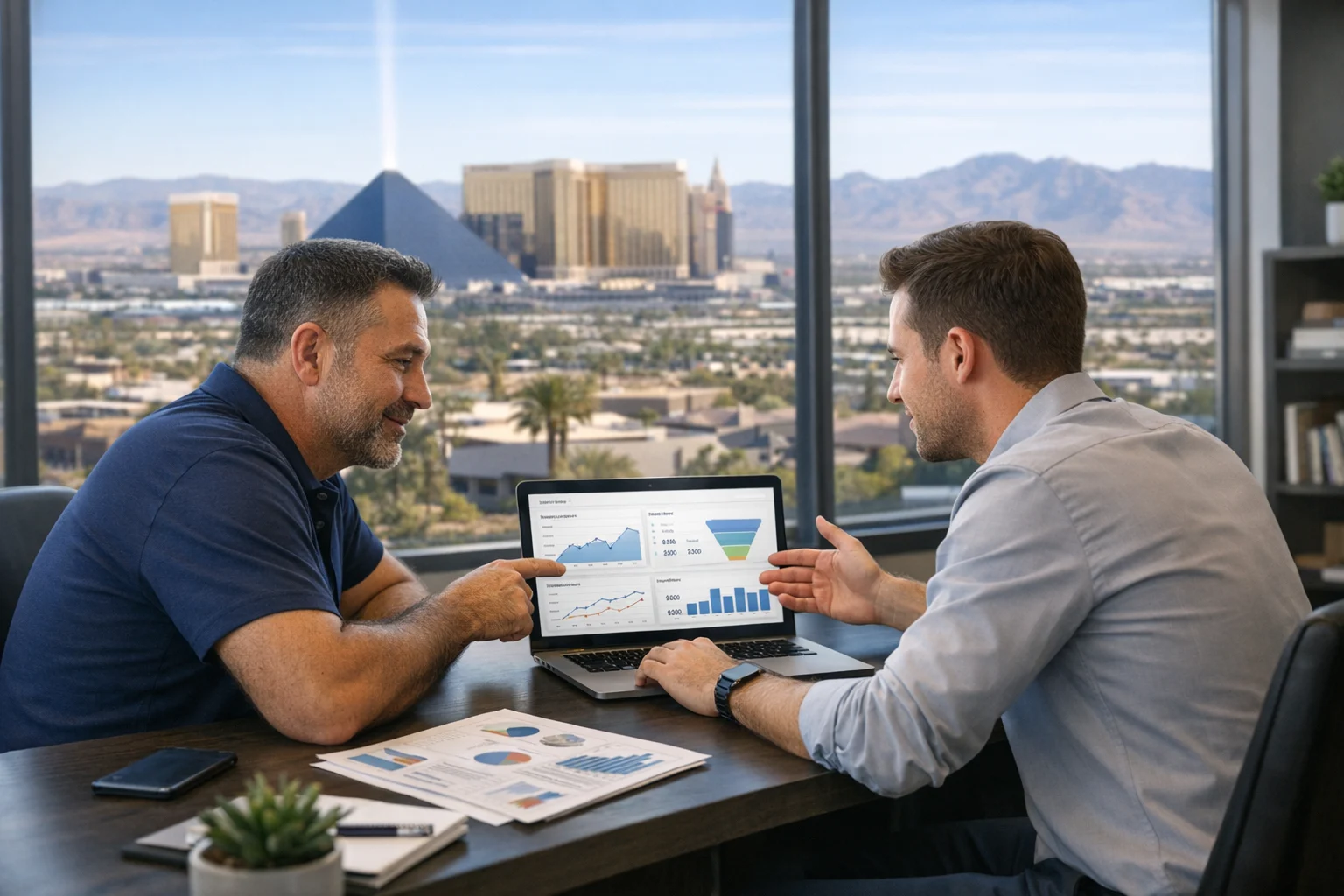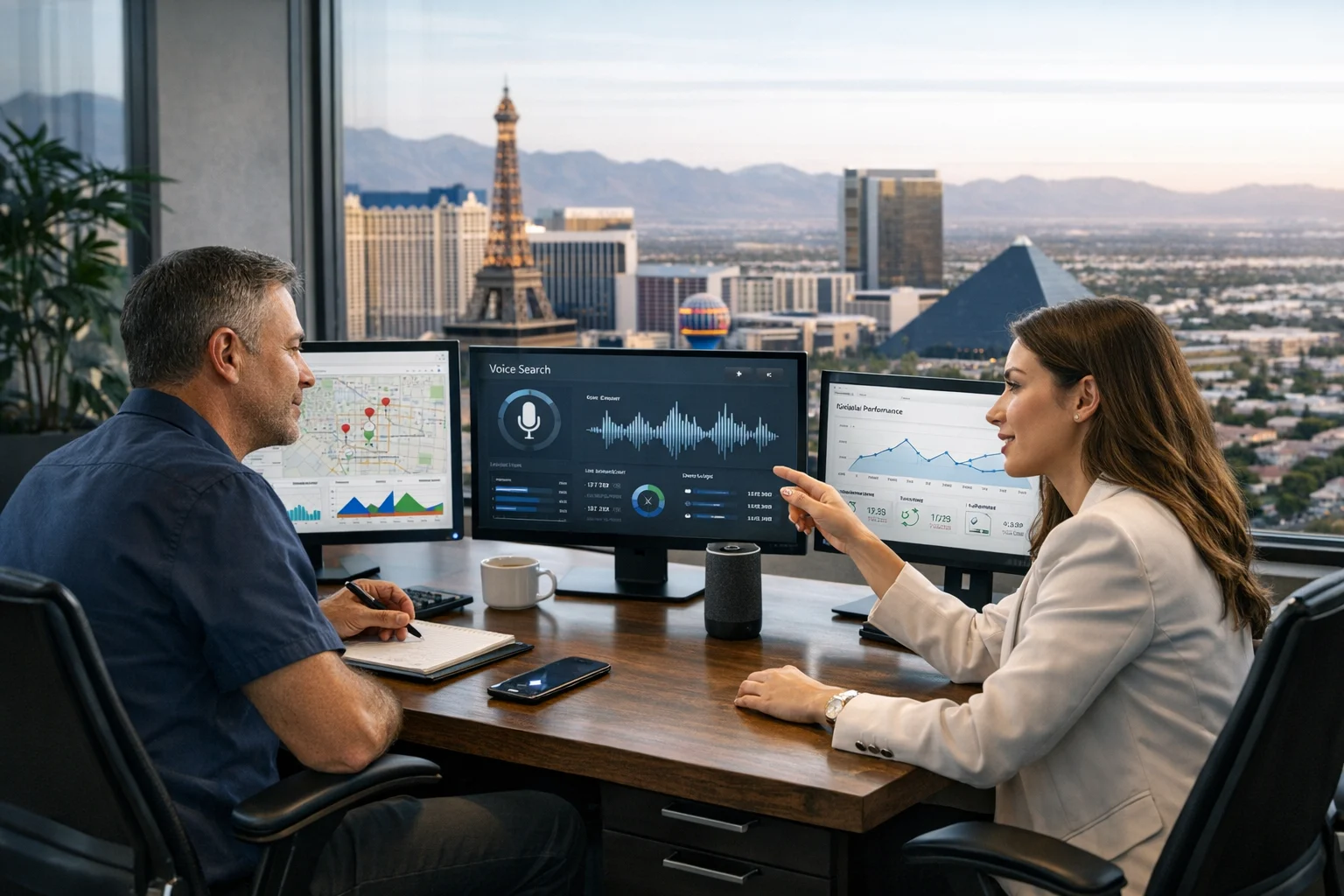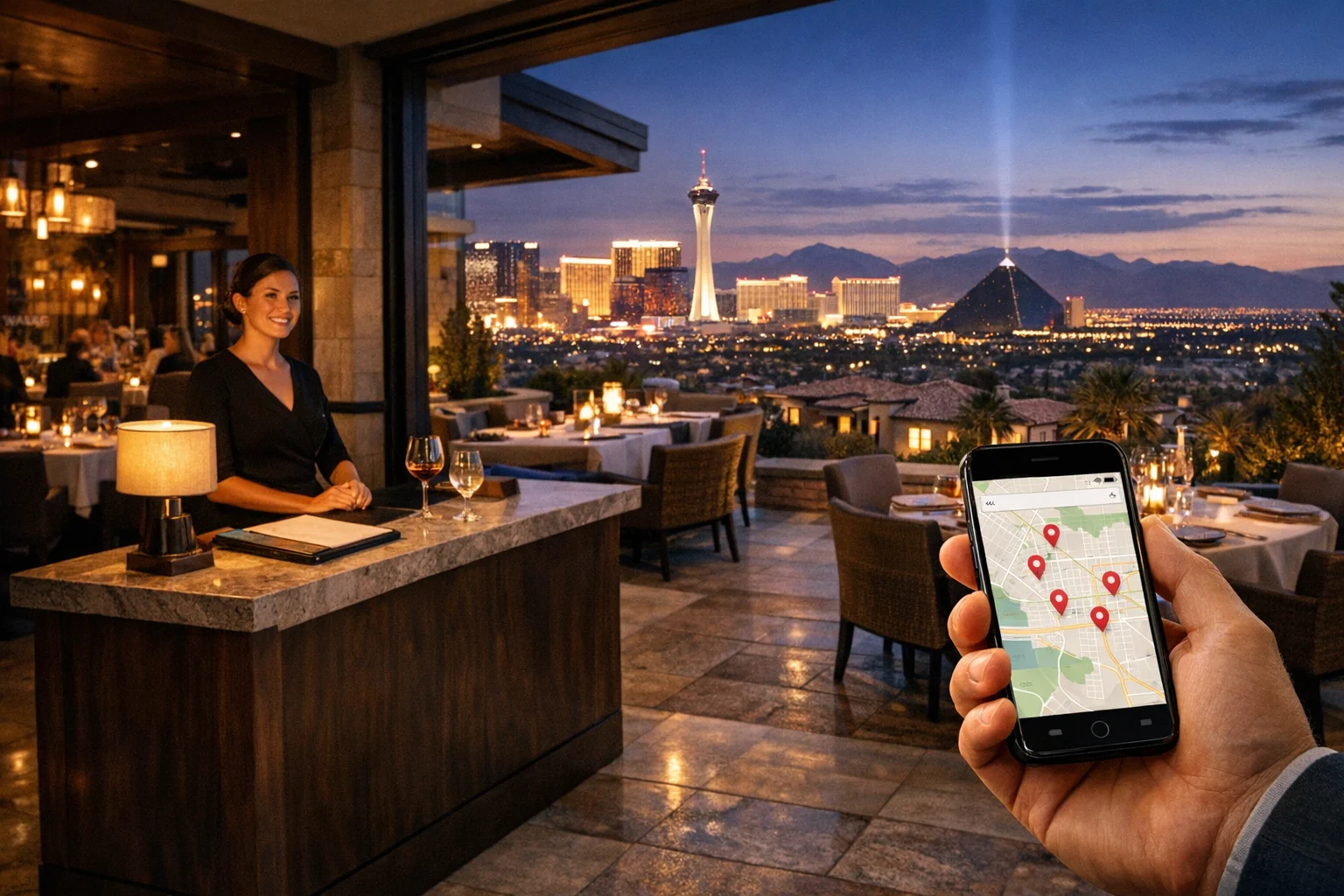
Las Vegas restaurants and hospitality brands compete in one of the toughest local search markets in the country. You are not just fighting for visibility against the place down the street. You are also up against major resort brands, national directories, delivery apps, review sites, and well funded local groups that understand how search drives reservations, foot traffic, private events, and branded searches.
That makes a local SEO Las Vegas strategy much more than a checklist. If your restaurant, lounge, boutique hotel, cafe, or hospitality group wants to show up when people search for dinner nearby, brunch in Southern Highlands, happy hour near me, hotel with a steakhouse, or private dining Las Vegas, your local presence needs to be strong across Google Business Profile, your website, review platforms, local content, and technical SEO.
At SiteLiftMedia, we work with Las Vegas businesses that need visibility and conversion, not vanity traffic. The same principles that help restaurants rank also help Southern Highlands businesses, luxury service providers, real estate teams, medical offices, and premium local brands. Local search is where strong websites, trusted brand signals, and smart content meet real buying intent.
If you are comparing a Las Vegas web designer, a Las Vegas SEO agency, a Las Vegas SEO firm, or an AI SEO Las Vegas partner, this is the work that actually drives results.
Why local SEO matters more for hospitality in Las Vegas
Hospitality search behavior is fast, local, and highly visual. People often search from mobile devices, they want immediate answers, and they make decisions based on a short list of visible signals. Those signals include ratings, recent reviews, photos, menu access, booking ease, proximity, business hours, and whether your brand looks credible enough to visit right now.
For restaurants, bars, cafes, hotels, and event venues, the local pack often gets the first click. If your business is missing from top map pack rankings, buried under third party listings, or sending traffic to a weak website, you are losing demand that already exists. In a city like Las Vegas, where tourists, convention visitors, locals, and high intent weekend traffic constantly overlap, local SEO is directly tied to revenue.
This is also where many brands get it wrong. They assume a flashy site or strong social media presence is enough. It is not. Great branding helps, but Google still looks for clear local relevance, trusted business data, a healthy technical foundation, and content that matches what people are actually searching.
Start with Google Business Profile optimization
If your Google Business Profile is neglected, your local visibility is limited from the start. Google Business Profile optimization is often the fastest path to better local presence because it influences maps visibility, branded search results, calls, directions, menu clicks, and booking actions.
Choose categories with intent in mind
Your primary category matters more than many owners realize. A steakhouse should not rely on a broad restaurant label if a more precise category better matches search intent. The same goes for cocktail bars, breakfast spots, sushi restaurants, hotels, event venues, catering services, and banquet halls. Secondary categories can support related services, but your primary category should reflect your highest value search opportunity.
Complete every meaningful field
Too many Las Vegas listings still have gaps in descriptions, attributes, service options, reservation links, hours, accessibility details, menus, or photo coverage. Fill out what matters. Add accurate holiday hours. Include direct ordering or booking links when appropriate. If your restaurant has patio dining, private dining, live music nights, late hours, vegan options, or curbside pickup, make sure those details are visible.
Use photos that reflect the real experience
Local search for hospitality is driven by confidence. Professional photos of signature dishes, bar atmosphere, interior design, team members, private event spaces, and exterior signage all help users decide quickly. If your space serves a premium audience in Southern Highlands or near higher income residential areas, your photo quality needs to match that expectation.
Post updates that support seasonality
Spring marketing pushes, holiday menus, event nights, chef specials, and local collaborations give Google fresh signals and give users a reason to engage. Posts will not fix poor SEO on their own, but they help reinforce activity and relevance when the rest of the profile is handled correctly.
Your website has to support local rankings and conversions
A surprising number of restaurants invest in branding but neglect the one asset they fully control. A weak website can limit rankings, create friction for mobile users, and waste local demand. That is why strong Las Vegas web design and Las Vegas SEO work together. Search visibility gets the click. Your site has to earn the booking, order, or visit.
For hospitality brands, a conversion focused website should make a few things effortless: finding the menu, booking a table, viewing location details, checking hours, understanding the atmosphere, and contacting the business for events or large groups. If users have to dig through cluttered navigation, popups, or slow reservation widgets, you will lose them.
Create location specific pages that deserve to rank
If you have one venue, your primary location page should be much stronger than a generic homepage. If you have several concepts or multiple venues, each one needs its own optimized page with unique copy, accurate NAP details, neighborhood references, images, FAQs, and service details. Do not reuse the same text across locations with only a city swap. Google sees that right away.
A strong local page for a Las Vegas restaurant or hotel should include:
- Clear business name, address, phone number, and hours
- Neighborhood and landmark relevance, such as Southern Highlands, nearby retail areas, or major cross streets
- Menu highlights or service descriptions
- Reservation or booking calls to action
- Private dining, catering, events, or room features if relevant
- Original photography and trust signals
- Structured data that helps search engines understand the page
This is where custom web design helps. A template can get you online, but custom web design often performs better when the goal is local growth, premium positioning, and stronger conversion paths.
Do not hide key content inside third party tools
Restaurants often place menus, events, or booking details inside plugins or external systems that search engines barely understand. If your menu lives only in an image, your event page is hidden behind JavaScript, or your reservation experience loads slowly from a third party domain, you are making it harder for Google and users alike.
Strong web design Las Vegas strategy keeps important local and commercial content accessible. Search engines should be able to crawl your menu categories, event offerings, private dining details, and location information without guessing.
Build local content around real search demand
Local content is one of the clearest ways to expand visibility beyond your business name. Restaurants and hospitality brands should not publish generic lifestyle blog posts with no search purpose. Content works when it aligns with actual local intent.
Create pages and articles around topics like brunch in Southern Highlands, best spots for date night near a specific area, private dining for corporate dinners in Las Vegas, where to host birthday dinners, or what visitors should know before booking a seasonal tasting experience. These topics reach users earlier in the decision process and give your website more entry points into local search.
They also support broader visibility in AI driven discovery. If you want a useful explanation of why that matters, SiteLiftMedia recently covered how local content can support AI search visibility. As Las Vegas AI SEO and AI SEO Las Vegas strategies become more important, structured, locally grounded content gives your brand a better chance of being referenced and surfaced by search assistants and AI summaries.
Write for neighborhoods, occasions, and use cases
Good hospitality content is rarely about the business alone. It is about the decision a customer is trying to make. That might include:
- Where to eat before an event
- Best restaurants for business lunches in a target area
- Private dining options for real estate teams or medical office celebrations
- Cocktail lounges for date nights in Southern Highlands
- Group dining for contractors, local service companies, or e commerce teams visiting Las Vegas
That same approach applies outside hospitality too. Southern Highlands luxury service providers, wellness clinics, and premium local brands can all gain local SEO value from pages built around audience intent rather than generic company messaging.
Reviews influence rankings, clicks, and trust at the same time
In hospitality, reviews are not just a reputation layer. They are part of your SEO performance. Review quantity, recency, sentiment, owner responses, and keyword relevance all shape how users perceive your brand and how Google interprets trust and activity.
The biggest mistake is treating reviews as something you deal with only when a problem appears. Strong operators make review collection part of the guest experience. They ask consistently, respond quickly, and direct feedback toward the platforms that matter most. For most restaurants and hotels, that starts with Google, then expands to the review ecosystems your audience uses most.
There is a direct relationship between review quality and click through rate. Even if you appear in the map pack, weak ratings or stale reviews can suppress action. SiteLiftMedia covered this in more detail in our piece on how online reviews shape SEO and trust, and the lesson is simple: visibility without trust does not produce consistent growth.
What review management should look like
- Ask for reviews consistently, not just after standout nights
- Train staff or managers on when and how to ask
- Respond to both praise and complaints with professionalism
- Watch for recurring service issues that damage search performance indirectly
- Use review language to inform content, FAQs, and service messaging
Technical SEO problems quietly drag down local visibility
Most local ranking problems are not caused by one catastrophic issue. They usually come from layers of technical friction. Slow pages, duplicate location content, broken internal links, crawl issues, inconsistent business data, and poor mobile experiences all make it harder for Google to trust and rank your site.
Technical SEO for a hospitality brand should include:
- Fast page speed on mobile
- Clean indexing and crawlable navigation
- Strong internal linking between location, menu, event, and contact pages
- Proper canonical handling if similar pages exist
- Structured data for restaurant, hotel, local business, review, and organization details where appropriate
- FAQ schema on pages with real user questions
- Image optimization and alt text that supports accessibility and discoverability
Structured data is especially useful for helping search engines understand core business information, menus, ratings, operating hours, and location context. FAQ schema can also support stronger visibility for helpful informational content, especially when users are comparing dining options, policies, or reservation details.
Another issue that gets overlooked is site maintenance. Las Vegas website maintenance is not just about plugin updates. It affects uptime, performance, broken forms, and even security. If a site is hacked, slowed down by neglected software, or loaded with malicious scripts, rankings can drop and trust can disappear fast. That is why technical SEO should sit alongside cybersecurity services, not far from them. Server hardening, clean hosting environments, and ongoing updates protect both search performance and user confidence.
Map pack rankings depend on consistency and local authority
When hospitality brands ask how to improve map pack rankings, they often focus only on the Google profile. That is part of it, but Google also looks at consistency across the web and how strongly your brand is connected to the local market.
Your business name, address, and phone number should match across major citations, directories, social profiles, reservation platforms, and local listings. Inconsistencies create confusion. So do outdated locations, duplicate profiles, and old phone numbers tied to prior vendors or concepts.
Authority also matters. Local backlinks from neighborhood organizations, event partners, community publications, chambers, tourism resources, food writers, and respected local businesses can lift visibility. If your restaurant works with Southern Highlands events, local real estate teams, medical offices, luxury service providers, or premium community partners, those relationships may create legitimate local linking opportunities.
If you want a practical breakdown, this guide on how to improve map pack rankings covers the mechanics in more detail.
Local authority tactics that actually make sense
- Earn links from local event pages and partner sites
- Support neighborhood organizations and sponsorships with proper attribution
- Get cited by local food, hospitality, and business publications
- Make sure major directory listings are accurate and complete
- Use location language naturally on your own site instead of forcing city phrases everywhere
Las Vegas web design should support discoverability and revenue
Many business owners start by looking for a Las Vegas web designer because the site feels dated. That can be the right instinct, but design alone is not enough if the architecture, content strategy, and search signals remain weak. The better question is whether your Las Vegas website design supports local discovery, mobile conversion, and scalable content growth.
A good digital marketing agency Las Vegas team will look at the full picture. Can users move from search result to reservation in seconds? Are there dedicated pages for private dining, catering, event bookings, or seasonal offers? Are menus indexable? Are your forms working? Does the site support PPC landing pages for promotions without creating duplicate SEO issues? Can the business update key content easily during a spring campaign or redesign planning cycle?
This is where the line between design and SEO disappears. The best Las Vegas web design projects are built with search intent, brand positioning, and conversion behavior in mind from day one. That is especially important for hospitality groups with multiple concepts, premium audiences, or expansion plans.
How to evaluate a Las Vegas SEO agency or AI SEO partner
If you are comparing a Las Vegas SEO agency, a Las Vegas SEO firm, or an SEO company Las Vegas businesses recommend, ask how they approach local hospitality specifically. Many providers talk about rankings in broad terms but cannot explain how to improve a weak Google profile, fix indexation around menu content, build local authority, or increase direct bookings from organic traffic.
You want a partner that can connect Las Vegas SEO work to business outcomes. For restaurants and hospitality brands, that means reservations, event inquiries, branded search growth, phone calls, direction requests, and stronger visibility in high intent neighborhood searches.
It is also fair to ask how they use AI. Las Vegas AI SEO should not mean publishing generic machine written blog posts across your site. A serious partner uses AI to support research, content expansion, search pattern analysis, workflow efficiency, and optimization opportunities while keeping strategy, local judgment, and brand quality human led.
At SiteLiftMedia, that is the standard. We combine local market understanding with technical execution, conversion focused strategy, and the practical realities of running a business in Las Vegas.
If your restaurant, hotel, or hospitality brand is planning a redesign, content expansion, local SEO cleanup, or a stronger spring marketing push, this is the time to see what Google sees, where customers hit friction, and what is holding back bookings. SiteLiftMedia can help you spot the gaps, prioritize the fixes, and turn more local search demand into real revenue.
Local Focus: Las Vegas Search Visibility
SiteLiftMedia works with businesses that want stronger visibility across the Las Vegas valley. The map below highlights the local market context for this article and the kind of location based search intent that matters when people compare a Las Vegas web designer, Las Vegas SEO agency, or local SEO firm.
Frequently Asked Questions
How long does local SEO take for a Las Vegas restaurant?
Most restaurants can see early movement within a few weeks after fixing Google Business Profile issues, website problems, and review gaps. Stronger map pack and organic gains usually take a few months, especially in competitive Las Vegas markets.
Does Las Vegas web design affect local SEO performance?
Yes. A slow, confusing, or poorly structured website can hurt rankings and conversions. Good Las Vegas website design supports crawlability, mobile usability, menu access, booking flow, and location relevance.
What should a Las Vegas SEO agency focus on first for hospitality brands?
The first priorities are usually Google Business Profile optimization, location page quality, review management, technical SEO fixes, and citation consistency. After that, local content and authority building can expand reach.
Can AI SEO help restaurants and hospitality businesses in Las Vegas?
Yes, when used correctly. AI SEO can help with search research, content planning, FAQ development, and identifying visibility gaps. It works best when guided by human strategy, local market knowledge, and brand specific goals.
How do I choose between a Las Vegas web designer and a Las Vegas SEO firm?
If your site is dated, broken, or hard to use, design may need attention first. If the site is decent but not ranking or generating leads, SEO may be the bigger issue. In many cases, the best choice is a partner that handles both design and local SEO together.
Photo Gallery