WordPress can be an excellent business platform, but only when it is set up with intention. Many companies start with a theme, install a page builder, add plugins as new problems pop up, and then wonder why the site feels slow, rankings stall, and updates become risky. At that point, the website is no longer helping growth. It is getting in the way.
When business owners ask how WordPress websites should be converted for speed, SEO, and long term growth, they are usually talking about more than a visual redesign. They need a smarter structure, cleaner code, faster load times, stronger technical SEO, and a setup that will still make sense a year from now. That is especially true for companies competing in aggressive markets like Las Vegas, where search visibility, mobile experience, and local trust signals matter quickly.
At SiteLiftMedia, we look at WordPress conversion as a business decision, not just a design project. Sometimes that means rebuilding a bloated site into a lean custom web design. Sometimes it means migrating content into a cleaner framework, replacing unstable plugins, improving server performance, and tightening business website security. The goal is not to make WordPress look different. The goal is to make it work better.
What “converting” a WordPress website should actually mean
A proper conversion is not just moving a site from one theme to another. It is the process of taking a website that has become heavy, inconsistent, underperforming, or hard to maintain and turning it into a cleaner digital asset.
That usually includes a mix of the following:
- Replacing bloated page builders or outdated themes
- Reworking templates for faster rendering
- Improving technical SEO structure
- Cleaning up plugin conflicts and script bloat
- Optimizing Core Web Vitals
- Preserving and improving rankings during migration
- Strengthening website maintenance and security processes
- Building for future landing pages, campaigns, and content growth
For many businesses, especially those investing in Las Vegas SEO or local SEO Las Vegas campaigns, the website becomes the foundation for every other channel. PPC landing pages, organic search content, social media marketing campaigns, and even reputation management all perform better when the site itself is fast and structurally sound.
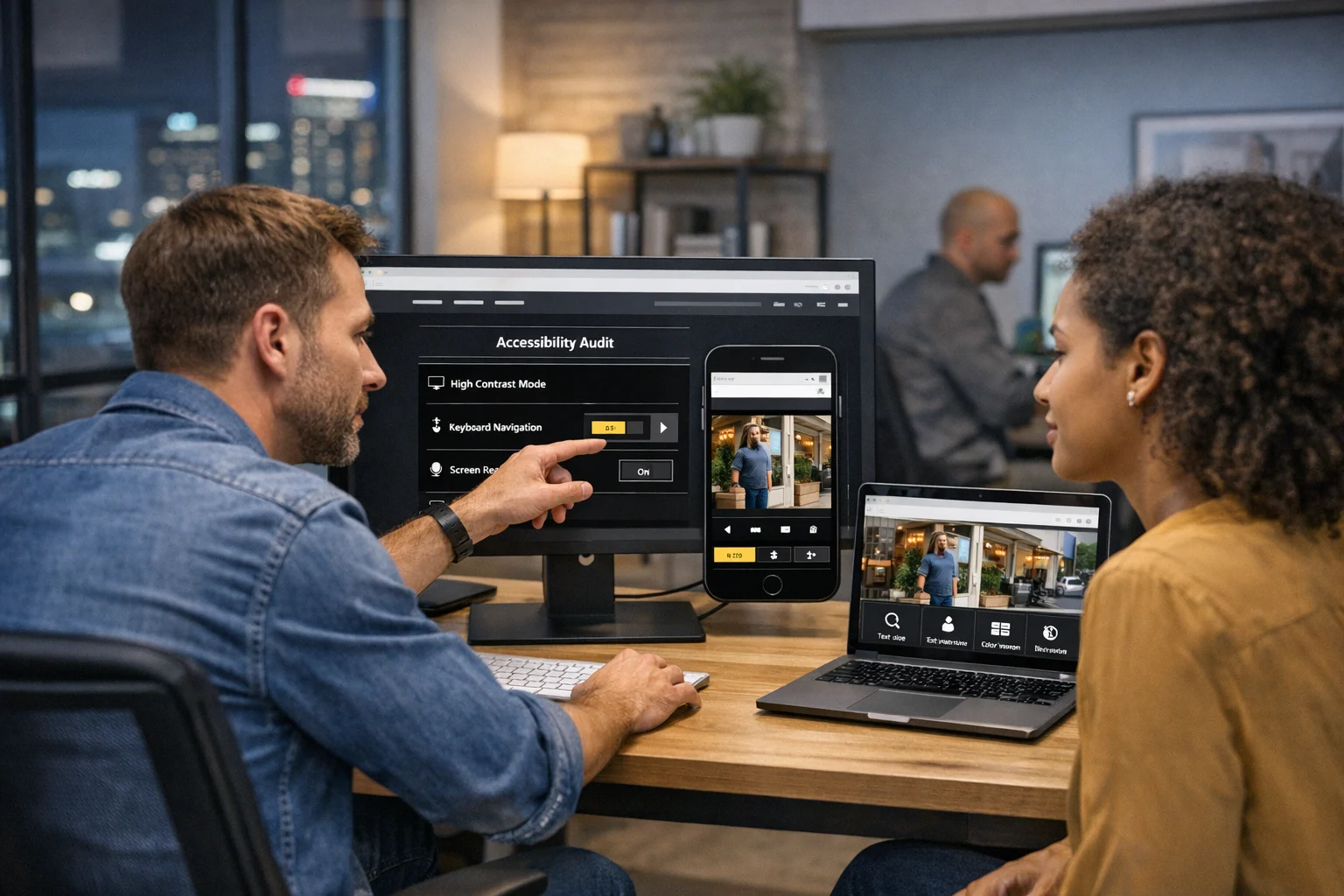
Start with a real audit before touching design
The biggest mistake in a WordPress rebuild is jumping straight into visuals. If the site is slow or underperforming in Google, design is rarely the only issue. In many cases, the deeper problems are technical.
A good conversion process starts with an audit that covers:
- Theme quality and page builder footprint
- Plugin count, necessity, and conflicts
- Hosting environment and PHP version
- Caching behavior and asset delivery
- Image compression and next gen formats
- JavaScript and CSS loading order
- Internal linking and content hierarchy
- Metadata, schema, canonicals, and indexation
- Redirect chains, 404s, and crawl waste
- Security posture, patching, and admin hygiene
We have seen WordPress sites with solid branding fail because the server was underpowered, fonts were loading poorly, and 18 plugins were all trying to solve the same problem. We have also seen businesses in Las Vegas invest heavily in ads while sending traffic to pages that took five seconds to become usable on mobile. That is not a traffic problem. It is a conversion problem.
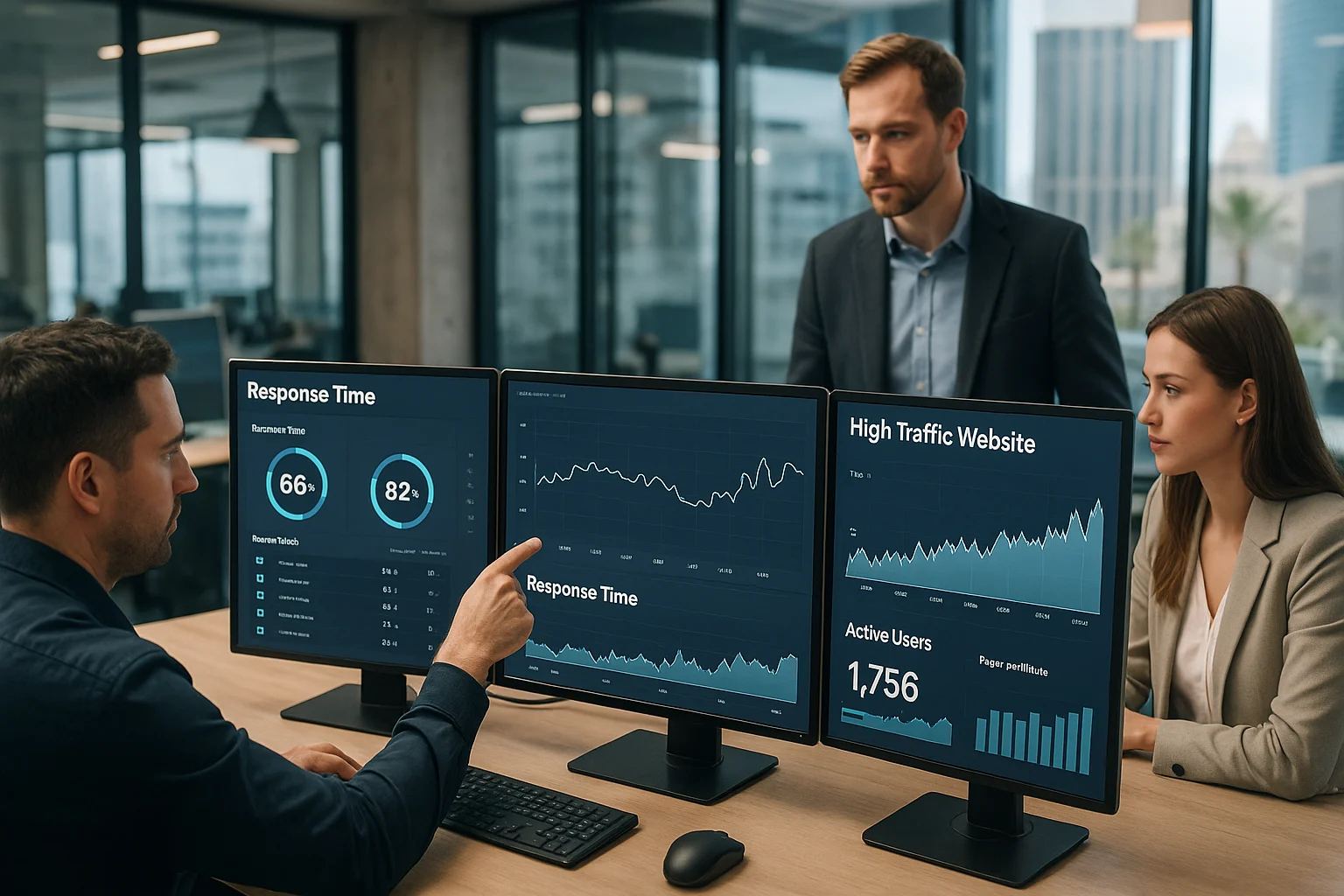
Speed problems usually come from structure, not just hosting
Business owners are often told they can fix a slow WordPress site by upgrading hosting. Sometimes that helps. A better server can reduce response times, but it will not rescue a site weighed down by bad architecture.
The common causes of WordPress slowness are usually:
- Heavy visual builders generating excessive markup
- Too many third party scripts
- Poorly optimized themes
- Large uncompressed images
- Render blocking CSS and JavaScript
- Unmanaged font requests
- Database clutter and revision bloat
- Weak caching strategy
If your site was assembled over time by multiple vendors, the front end is often carrying years of leftovers. That is why conversion often requires rebuilding templates instead of patching the old setup. In many cases, a leaner approach dramatically improves speed and stability. SiteLiftMedia has written about why bloated page builders hurt SEO, speed, and sales, and it is a pattern we see constantly in agency takeovers.
For Las Vegas businesses, speed is not a technical vanity metric. It affects lead quality, rankings, bounce rate, and trust. If you want a local edge, a faster website helps right away. This is especially relevant for mobile users comparing service providers in the moment. Our team has also covered why fast loading websites matter for Las Vegas businesses because the local impact is very real.
Why a custom rebuild often outperforms a theme refresh
There are situations where a well chosen premium theme can work. But if a business is serious about growth, lead generation, and long term SEO, a custom web design approach is usually the better conversion path.
Here is why:
Cleaner code base
Custom templates remove the layers of unused functionality that come with off the shelf themes. Instead of loading features you do not use, the site is built around actual business goals.
Better Core Web Vitals
When the front end is built intentionally, it is much easier to control layout shift, render path, image behavior, and script execution.
Easier SEO implementation
Technical SEO works better when heading structure, internal linking, template logic, schema, and indexation controls are part of the build instead of afterthoughts.
More flexible landing pages
Growth requires new pages. Seasonal offers, service expansions, city pages, and Q1 growth strategies all become easier when the site structure is modular and clean.
Stronger conversion design
Custom design does not just look better. It gives you control over calls to action, trust elements, page flow, and mobile interaction without fighting a theme’s defaults.
For companies searching web design Las Vegas or SEO company Las Vegas, this matters because the competition is not standing still. A site that loads fast, ranks well, and supports campaigns cleanly will outperform a prettier site built on weak foundations.
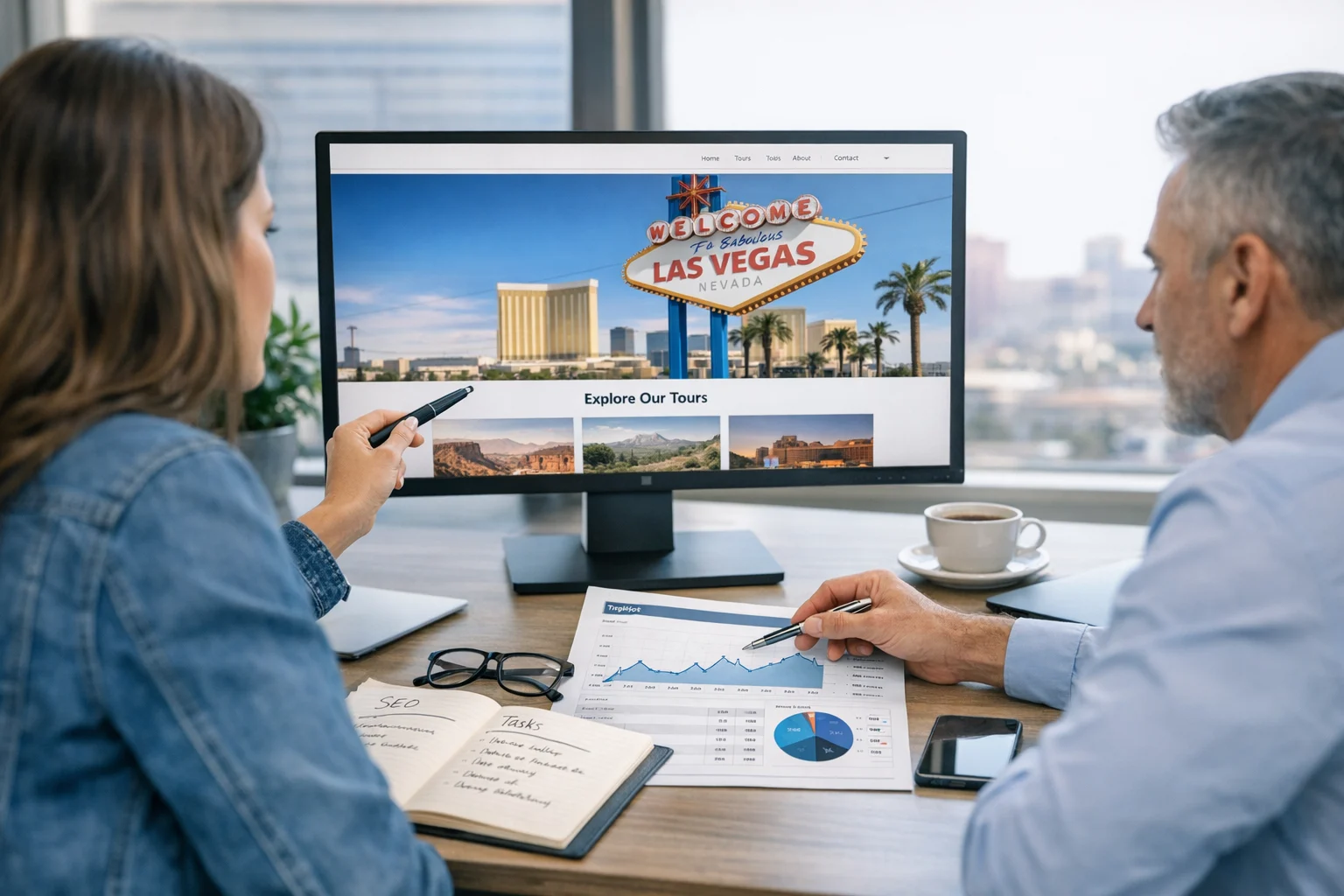
Preserve rankings while improving SEO
A WordPress conversion should strengthen SEO, not reset it. That sounds obvious, but many redesigns still lose valuable rankings because content gets deleted, URL paths change carelessly, and metadata is treated like an export problem to deal with later.
Before the rebuild starts, map the SEO assets you already have:
- Top ranking pages
- Pages earning leads or calls
- Indexed blog content
- Backlinks pointing to internal pages
- High performing local landing pages
- Image URLs that already attract search traffic
Then protect them during the conversion:
- Keep strong URLs where possible
- Use 301 redirects when paths must change
- Carry over titles, meta descriptions, and headers intentionally
- Retain or improve internal links
- Preserve schema and local business signals
- Check canonical tags and index settings before launch
Technical SEO is where many migrations succeed or fail. A good redesign can improve crawl efficiency, content hierarchy, page speed, and mobile usability at the same time. A careless one can bury pages that used to rank.
This is also where local intent needs to be handled with discipline. If your company serves Nevada and broader national markets, the site should support both without becoming scattered. A Las Vegas landing page should feel geographically relevant, not stuffed. Service pages should clearly connect to local SEO Las Vegas intent where appropriate, while national pages should support broader search terms and campaign expansion.
Content structure should be rebuilt for search and sales
One of the best opportunities during a WordPress conversion is fixing how content is organized. Many older sites have service pages that are too thin, blog posts that are hard to navigate, and weak internal linking between important sections.
That hurts SEO and user behavior at the same time.
A better structure usually includes:
- Clear service hubs tied to search demand
- Support content that answers real buyer questions
- Logical city or market pages where relevant
- Strong call to action placement without clutter
- Improved visual hierarchy for readability
During a rebuild, this is the right time to upgrade how pages are written and laid out. SiteLiftMedia has discussed why article structure drives SEO, readability, and sales because content presentation affects whether people keep reading, trust the message, and take action.
If a company wants more leads from Las Vegas SEO, backlink building services, or technical SEO work, the site needs pages that do more than exist. They need to explain value clearly, support local relevance, and move users toward the next step.
Local SEO should be built into the conversion
For a business targeting Nevada search demand, local SEO cannot be bolted on after launch. It needs to be part of the rebuild plan.
That means:
- Consistent NAP details across the site and profiles
- Location specific service pages where they make sense
- Local business schema
- Google Business Profile alignment
- Embedded trust signals such as reviews, service areas, and local proof
- Content that reflects how people actually search in Las Vegas
Searchers looking for an SEO company Las Vegas or web design Las Vegas are not looking for vague agency language. They want confidence that the provider understands the market, can compete locally, and can support measurable growth. Your WordPress site should show local credibility without sacrificing broader nationwide relevance.
For multi market businesses, we often recommend a site architecture that makes room for local intent pages, regional service pages, and national authority content. Done right, that gives you more ranking opportunities without creating thin duplicate content.
Security and maintenance need to be part of the rebuild, not an add on
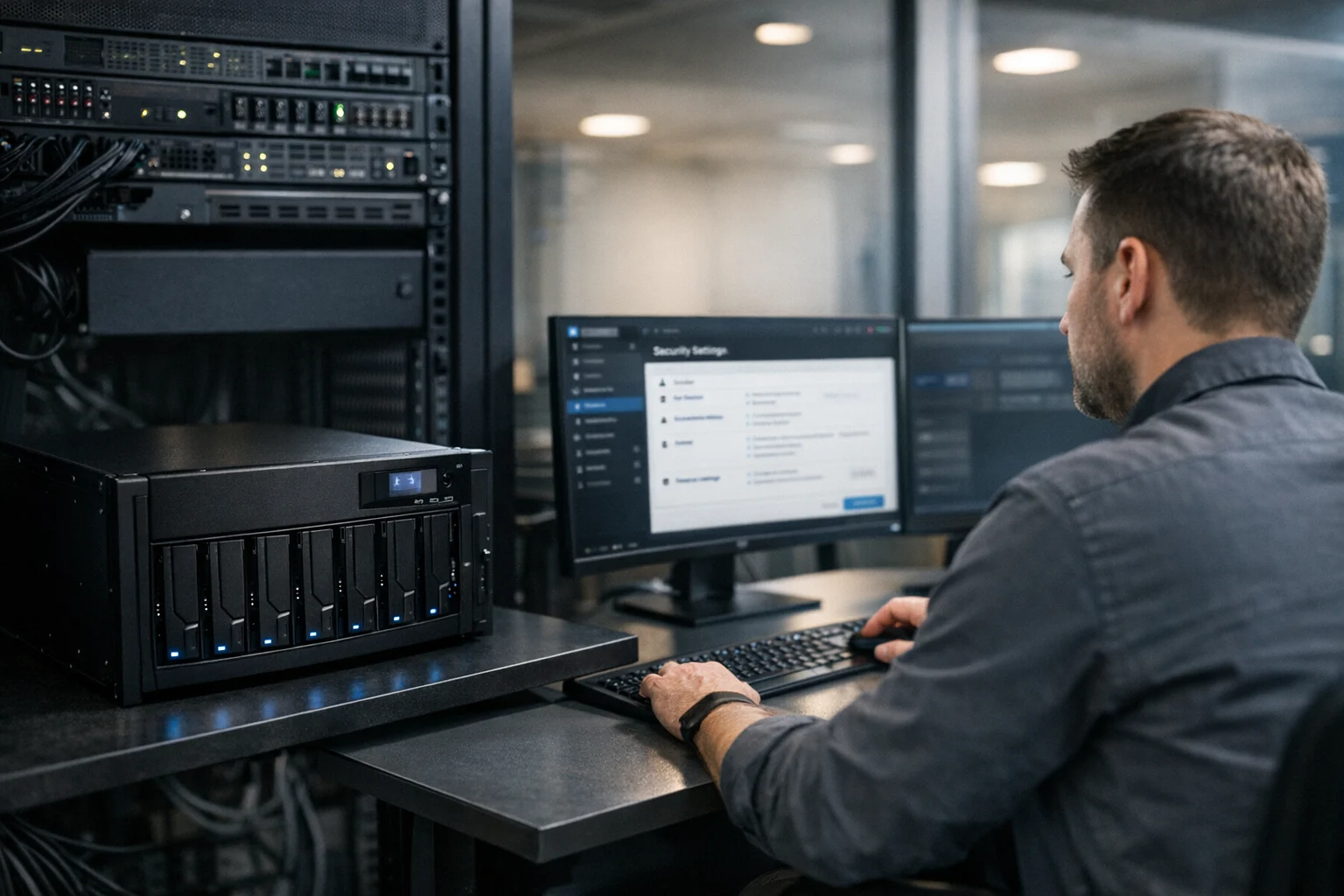
WordPress growth is fragile when security is weak. One plugin vulnerability, one outdated theme, or one poorly configured admin account can disrupt rankings, forms, uptime, and customer trust.
That is why website conversion should include a security pass, not just a design pass.
Practical security work during conversion often includes:
- Removing abandoned or unnecessary plugins
- Hardening admin access
- Enforcing strong credential policies
- Applying least privilege roles
- Improving backups and recovery procedures
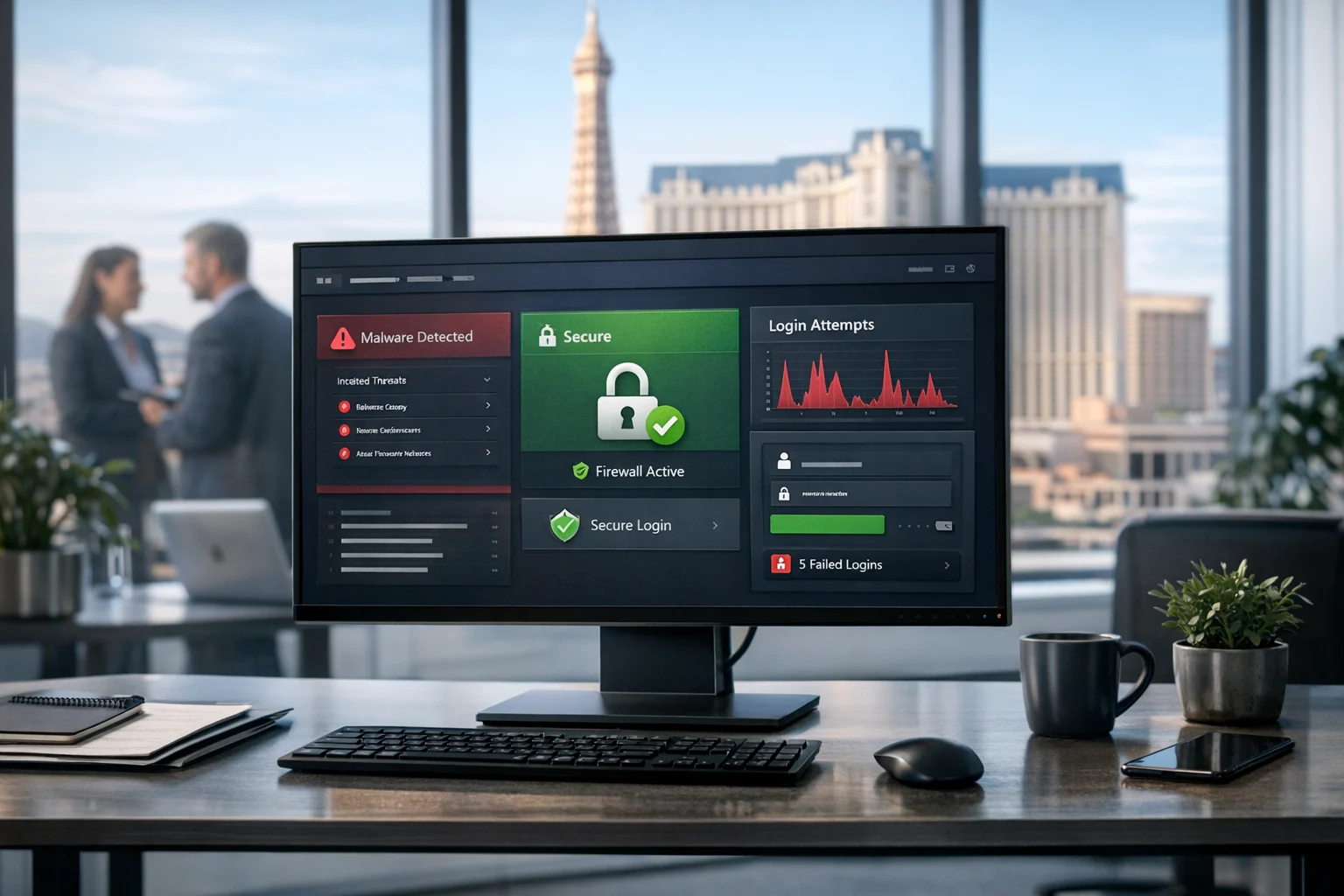
- Reviewing firewall and malware monitoring
- Updating PHP, WordPress core, themes, and plugins responsibly
Businesses that rely on lead forms or ecommerce should take this especially seriously. Security problems do not just create technical headaches. They interrupt revenue. SiteLiftMedia often supports clients with cybersecurity services, penetration testing, system administration, and server hardening because performance and business website security are connected in the real world.
If your site is public facing and important to sales, routine patching is non negotiable. We have covered why patch management matters for website security because too many businesses treat it like background noise until a breach or outage happens.
Hosting, caching, and infrastructure choices affect long term growth
After the front end is cleaned up, the infrastructure layer matters a lot. A converted WordPress site should sit on an environment that matches the business, not the cheapest plan available.
That includes:
- Modern hosting with reliable resources
- Server level caching where appropriate
- CDN support for static assets
- Image optimization workflows
- Database cleanup and monitoring
- Staging environments for safer updates
- Performance testing before and after launches
For growing businesses, this is where website maintenance becomes operational, not reactive. If your team is planning annual refresh projects, new paid campaigns, or content expansion in Q1, the website needs infrastructure that can support traffic and testing without breaking every time a new plugin gets introduced.
SiteLiftMedia works with businesses that need design and growth support, but also the back end discipline to keep the site dependable. That can include system administration, hosting guidance, update management, and security hardening based on the actual risk profile of the business.
Design for marketing teams, not just developers
A lot of WordPress conversions fail because they are developer friendly but not marketer friendly. The site launches cleaner, but the internal team still cannot publish pages easily, update messaging quickly, or support campaigns without filing a ticket for every small change.
A strong conversion balances performance with usability. Marketing teams should be able to:
- Create landing pages without introducing bloat
- Edit core content areas safely
- Launch campaign specific pages faster
- Support SEO updates without breaking templates
- Measure form performance and user behavior cleanly
This matters for agencies and in house teams alike. If your business runs PPC, social media marketing, email campaigns, or seasonal promos, the website cannot be rigid. It needs guardrails, but it also needs flexibility. That is where a thoughtful custom web design system usually beats a theme patched together over years.
Measure success beyond just speed scores
PageSpeed scores matter, but they are not the full story. A good WordPress conversion should improve business metrics, not just lab metrics.
After launch, track:
- Organic rankings for priority terms
- Core Web Vitals trends
- Form completion rate
- Call tracking results
- Bounce rate on key landing pages
- Indexed page health and crawl errors
- Local map and branded search visibility
If a site is truly rebuilt for growth, you should see stronger engagement and cleaner reporting, not just a prettier homepage. The pages should be easier to expand, easier to test, and easier to trust.
When a full WordPress conversion is worth it
Not every site needs a full rebuild tomorrow. But it is usually the right move when several of these are true at once:
- The site is slow on mobile and desktop
- Rankings have plateaued despite content efforts
- Page builders or plugins make updates risky
- Your design feels dated and conversions are weak
- Security updates are inconsistent
- Your team struggles to launch new pages efficiently
- You are investing in SEO, PPC, or local growth and the site is the bottleneck
For companies in competitive markets like Las Vegas, the cost of leaving a weak site in place can be higher than the cost of rebuilding it properly. Missed rankings, wasted ad spend, low trust, and maintenance headaches add up fast.
If your WordPress website feels heavy, hard to manage, or misaligned with where the business is going, this is the right time to look at a conversion strategy. SiteLiftMedia helps businesses rebuild WordPress websites for speed, technical SEO, local visibility, security, and long term growth. If you want a serious plan for your current site, contact our team. We will show you what should be kept, what should be rebuilt, and what is holding performance back right now.
Photo Gallery