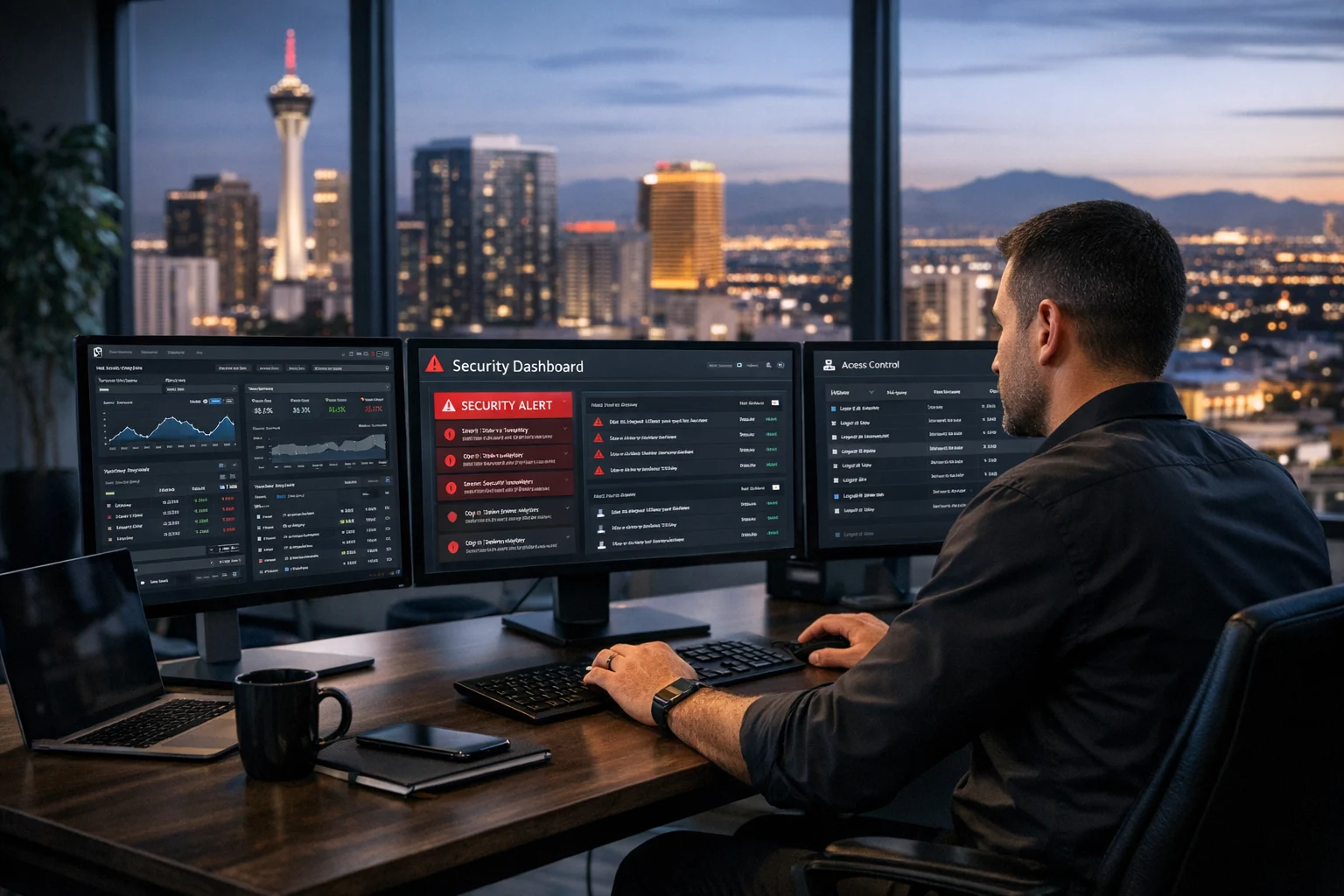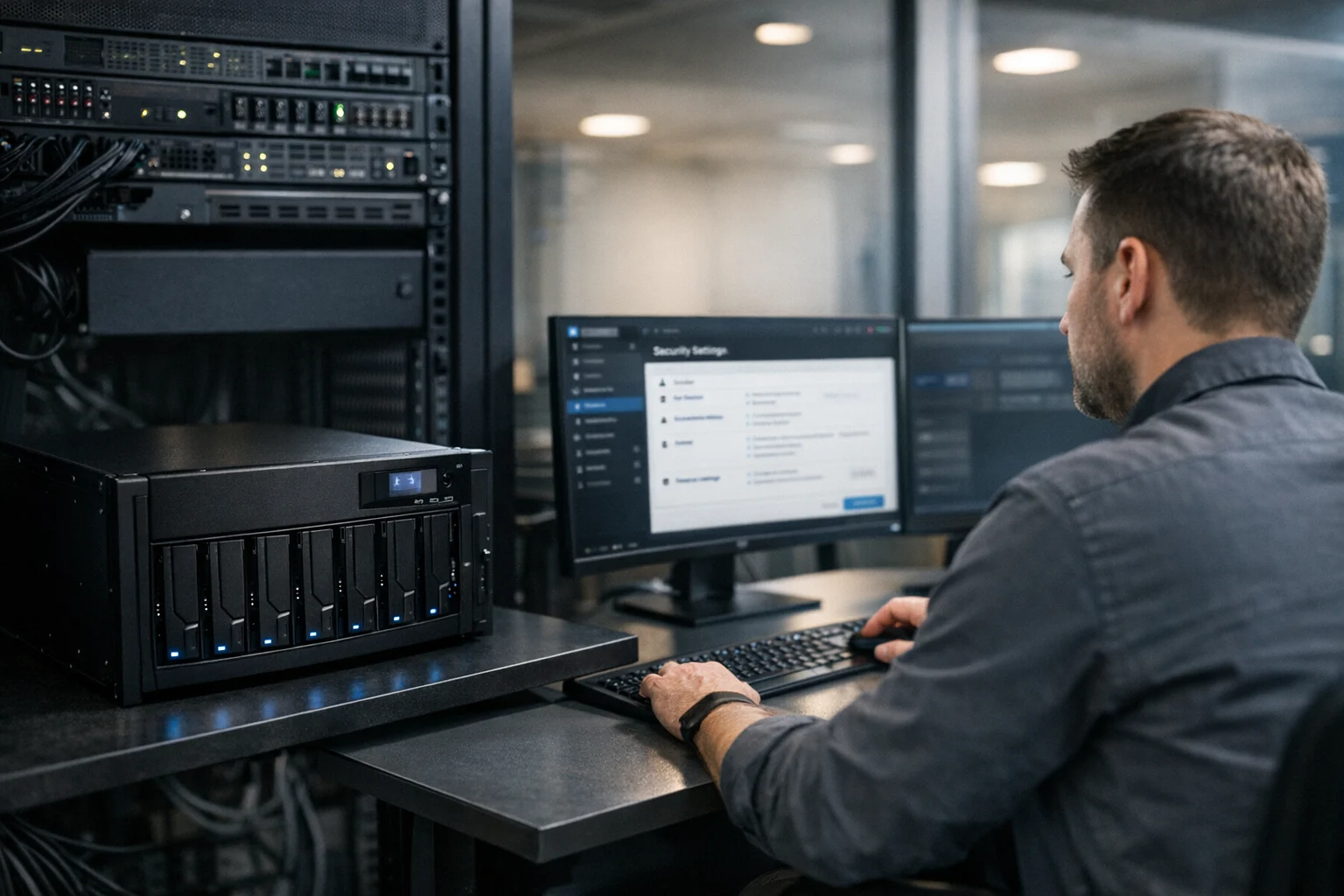
When a business website gets hacked, the first reaction is usually to remove whatever looks suspicious and get the site back online fast. That instinct makes sense. Leads are at risk, rankings can slip, ad traffic can be wasted, and customers may start seeing malware warnings before your team even knows what happened. The problem is that a surface-level cleanup often misses the real damage.
A proper hacked website cleanup should include two things many rushed recoveries skip: file integrity review and database review. If you only delete a few visible malware files, you may leave behind backdoors, injected admin users, hidden redirects, spam content, poisoned settings, or malicious code stored in places basic scanners barely touch. That is why businesses get hacked again a week later and wonder why the issue keeps coming back.
At SiteLiftMedia, we have seen this pattern across WordPress sites, custom web design projects, ecommerce platforms, landing page systems, and even server environments managed by overstretched internal teams. For Las Vegas businesses in competitive markets, a weak cleanup can become more than a security issue. It can affect local visibility, conversion rates, customer trust, paid campaigns, and the timing of bigger spring marketing pushes or redesign planning.
If your company relies on web traffic, local SEO Las Vegas visibility, or digital lead generation, cleanup has to be thorough. That means treating the site like both a website and a system. Files matter. Databases matter. Logs matter. So does understanding how the attacker got in.
Why visible malware removal is not enough
Many hacked sites show obvious symptoms. You might notice strange files in the web root, new PHP scripts with random names, injected JavaScript in the header, or pages redirecting mobile users to spam domains. Those are important clues, but they are rarely the whole story.
Attackers usually do not rely on one change. They plant multiple ways back in. That might include a file-based backdoor, a rogue admin account in the CMS, malicious scheduled tasks, altered .htaccess rules, infected plugin files, modified theme templates, or payloads stored directly in the database. If one method is removed but another remains, the site is still compromised.
This is one reason businesses often clean a site, feel relieved for 48 hours, and then discover the infection is back. The attacker never really left. The website just looked cleaner for a moment.
If your team is in the early response stage, this guide on what to do when a business website gets hacked is a good starting point. The real recovery work starts after the initial panic settles.
What file integrity review actually means
File integrity review is the process of identifying what changed, when it changed, and whether those changes belong there. It sounds simple, but it is one of the most valuable parts of incident cleanup.
On a healthy site, core files, plugin files, theme files, configuration files, and custom application files should match expected versions or known deployment history. When a site is hacked, attackers often modify legitimate files instead of only uploading new ones. That helps them blend in. A common example is malware injected into a theme functions file, a plugin loader, or a core CMS file that most people never inspect manually.
Without file integrity review, those changes can be missed because the file name looks normal. The file still works. The site still loads. Yet every page request may be executing malicious code.
What a real file review should look for
- Modified core CMS files that no longer match trusted source versions
- Injected code in themes or plugins, especially obfuscated PHP, base64 strings, eval usage, hidden includes, and suspicious remote calls
- Unexpected admin tools such as web shells, file managers, or password reset scripts
- Altered configuration files including database connection files, environment settings, and access control rules
- Hidden redirect logic in header, footer, index, or .htaccess files
- Recently created files with random names or misleading timestamps
- Permissions issues that made the compromise easier or keep the site exposed
It also helps establish scope. Was the attacker limited to one application directory, or were multiple sites on the same account touched? Was only the website hit, or are there signs of a wider server problem that call for deeper system administration work or full server hardening?
In some cases, cleanup is not the right path. If the underlying host is deeply compromised, a rebuild may be safer than trying to trust the current environment. SiteLiftMedia has covered that decision in when to rebuild a compromised server instead of cleaning it.
Why database review is just as important
Business owners are often surprised to hear that a website database can hold some of the most persistent parts of an infection. People think of hacks as bad files on a server. In reality, attackers often use the database because it is central to the site, hard to review manually, and full of trusted content.
For WordPress, Magento, custom PHP apps, and many content systems, the database stores page content, post content, menu settings, widget code, options, redirects, user accounts, API keys, form settings, ecommerce configuration, and more. If malicious code or poisoned settings live there, deleting a few files will not solve the issue.
Common database problems after a website hack
- Injected spam content added to posts, pages, metadata, or hidden drafts
- Malicious JavaScript stored in theme options, widgets, or custom fields
- SEO spam pages generated through database entries that create junk URLs
- Rogue admin users or modified user roles that preserve access
- Altered site URLs and redirect settings that send visitors elsewhere
- Database scheduled tasks or plugin settings that reinsert malware
- Modified ecommerce settings affecting checkout, payments, or customer data handling
We have seen sites that looked fine on the surface but had hundreds of spam records buried in the database. Those records generated low-quality indexable pages that damaged organic trust and cluttered search results for branded queries. For a company investing in Las Vegas SEO, technical SEO, or backlink building services, that kind of hidden damage can quietly undercut months of work.
A database review also helps catch subtle business risks. Maybe contact form settings were altered to route leads somewhere else. Maybe checkout emails were changed. Maybe an attacker inserted a secondary admin account and left no visible front-end sign at all. These are not rare cases.
How file integrity and database review work together
These two reviews are strongest when done together, not as separate afterthoughts. Files tell you how the application code was altered. The database tells you how the application behavior and content were altered. Looking at only one side gives you an incomplete incident picture.
Here is a common example. A site gets infected through an outdated plugin. The attacker uploads a backdoor into the plugin directory. That backdoor creates an admin user, changes a site option to load remote JavaScript, and inserts spammy content into draft posts that later becomes indexable. If you only delete the uploaded file, the fake admin user and poisoned options stay behind. If you only clean the database, the backdoor script can simply recreate everything again.
Experienced cleanup work is methodical, not rushed. You trace the entry point. You review file changes. You review database changes. You reset credentials. You patch the weakness. You harden the environment. Then you monitor for recurrence.
After malware removal, businesses should also think about post-incident hardening. This resource on how to secure a website after malware removal fast covers the next phase well.
What this means for SEO, traffic, and revenue
Security cleanup is not just an IT problem. It directly affects marketing performance. That matters to decision-makers because the cost of a bad cleanup keeps showing up long after the malware headline fades.
If spam pages are left in the database, Google may keep crawling and indexing them. If hidden redirects remain in files, ad traffic can get hijacked. If a site keeps serving injected JavaScript, users may bounce before analytics records a meaningful session. If malware warnings appear in browsers, conversion drops hard. If the site goes down repeatedly, lead flow gets unreliable.
For businesses competing in Las Vegas, where local search can be aggressive in verticals like legal, hospitality, home services, medical, events, nightlife, and ecommerce, recovery has to account for rankings and trust at the same time. A hacked site does not just create a security incident. It creates a visibility problem.
That is why the cleanup conversation often overlaps with broader digital services. A business may come in asking for emergency malware removal, then discover they also need website maintenance, server hardening, technical SEO cleanup, content restoration, analytics validation, or even a custom web design rebuild if the site has become too fragile to trust. SiteLiftMedia works in that intersection, where cybersecurity services, system administration, and digital growth strategy support each other.
Why rushed cleanups often fail during busy marketing periods
There is a practical timing issue here that many teams do not plan for. Website compromises often get discovered right before an important campaign push. That could be spring promotions, a new product launch, a redesign rollout, content expansion, or a local advertising push tied to seasonal demand.
Under pressure, teams want the fastest possible fix. Someone restores from a backup, swaps a few files, and assumes the issue is handled. Then the malware comes back because the database still contains injected options or the vulnerable plugin was never patched. Now the business is dealing with downtime twice, sometimes during the most expensive part of the quarter.
For marketing managers, this is where security and campaign execution collide. A cleanup that skips file integrity and database review can break landing pages, pollute attribution, damage local SEO Las Vegas performance, and delay design or development work that was already scheduled. The cost is not just technical. It is operational.
What business owners should expect from a serious cleanup partner
If you are hiring an agency or security team to clean a compromised website, ask direct questions. A credible provider should be able to explain how they will inspect files, how they will review the database, how they will identify the likely entry point, and what they will do to reduce reinfection risk.
Good questions to ask
- Will you compare core files and application files against trusted versions?
- Will you review database tables for malicious content, users, settings, and injected scripts?
- Will you identify the likely vulnerability that allowed the compromise?
- Will you reset credentials and audit access after cleanup?
- Will you review server settings, permissions, and logging?
- Will you help with search-related cleanup if spam pages or redirects affected SEO?
- Will you provide guidance on website maintenance and future hardening?
If the answer is basically, “We will run a scanner and delete the bad stuff,” keep looking. Automated scanning has a place, but it is not a full incident response plan.
For WordPress sites especially, understanding the original weakness matters. Outdated extensions are still one of the most common causes of business site compromise. If that is part of your environment, this piece on how outdated WordPress plugins put business sites at risk is worth reading.
Why this matters for Las Vegas businesses and nationwide brands
Although SiteLiftMedia supports clients across the country, Las Vegas businesses often face a sharper mix of urgency and competition. A company investing in web design Las Vegas, SEO company Las Vegas services, social media marketing, paid traffic, or local lead generation cannot afford a half-fixed website. Search visibility can move quickly in local markets, and brand perception matters even more when users have plenty of alternatives one click away.
That does not mean the issue is only local. Nationwide brands face the same core risks, especially if they run location pages, campaign microsites, franchise sites, or legacy content systems that have grown messy over time. The bigger the footprint, the more important file integrity and database review become. Attackers love sprawl. It gives them more places to hide.
This is also where an agency with both growth and security experience can be useful. The same team thinking about business website security can also help evaluate technical SEO fallout, content cleanup, analytics trust, redesign timing, and infrastructure cleanup. If your internal team is already stretched across campaigns, vendors, and reporting, that kind of connected support saves time.
Cleanup should lead into hardening, monitoring, and smarter maintenance
The best recoveries do not stop at removal. Once the immediate incident is contained, the business should use that moment to fix the conditions that made the hack possible. That may involve patch management, plugin reduction, access cleanup, better backups, multi-factor authentication, tighter permissions, web application firewall tuning, or stronger server hardening.
Sometimes it also means simplifying a bloated site before a redesign launch or content expansion cycle. Old plugins, abandoned scripts, forgotten admin accounts, and legacy staging directories create attack surface. A compromise is often the event that forces a long-overdue cleanup.
From there, monitoring matters. File change alerts, access review, uptime monitoring, malware scanning, and periodic manual review help catch problems before they become expensive. Businesses that treat security as part of website maintenance usually spend less time in crisis mode.
If your site has been hacked, or you suspect a cleanup was incomplete, do not rely on guesswork. Get a proper review of both the file system and the database, and make sure the vulnerability that opened the door gets fixed too. If you need a team that can handle the damage without losing sight of rankings, lead flow, and the bigger business impact, reach out to SiteLiftMedia and get the site reviewed the right way.
Photo Gallery