For many Las Vegas businesses, a website does far more than serve as an online brochure. It books appointments, captures leads, supports Google rankings, powers PPC landing pages, processes transactions, and shapes first impressions before anyone ever calls. When that site gets compromised, slows down, or starts acting strangely, the damage rarely stays technical for long. It turns into lost revenue, weaker trust, and a tougher path to growth.
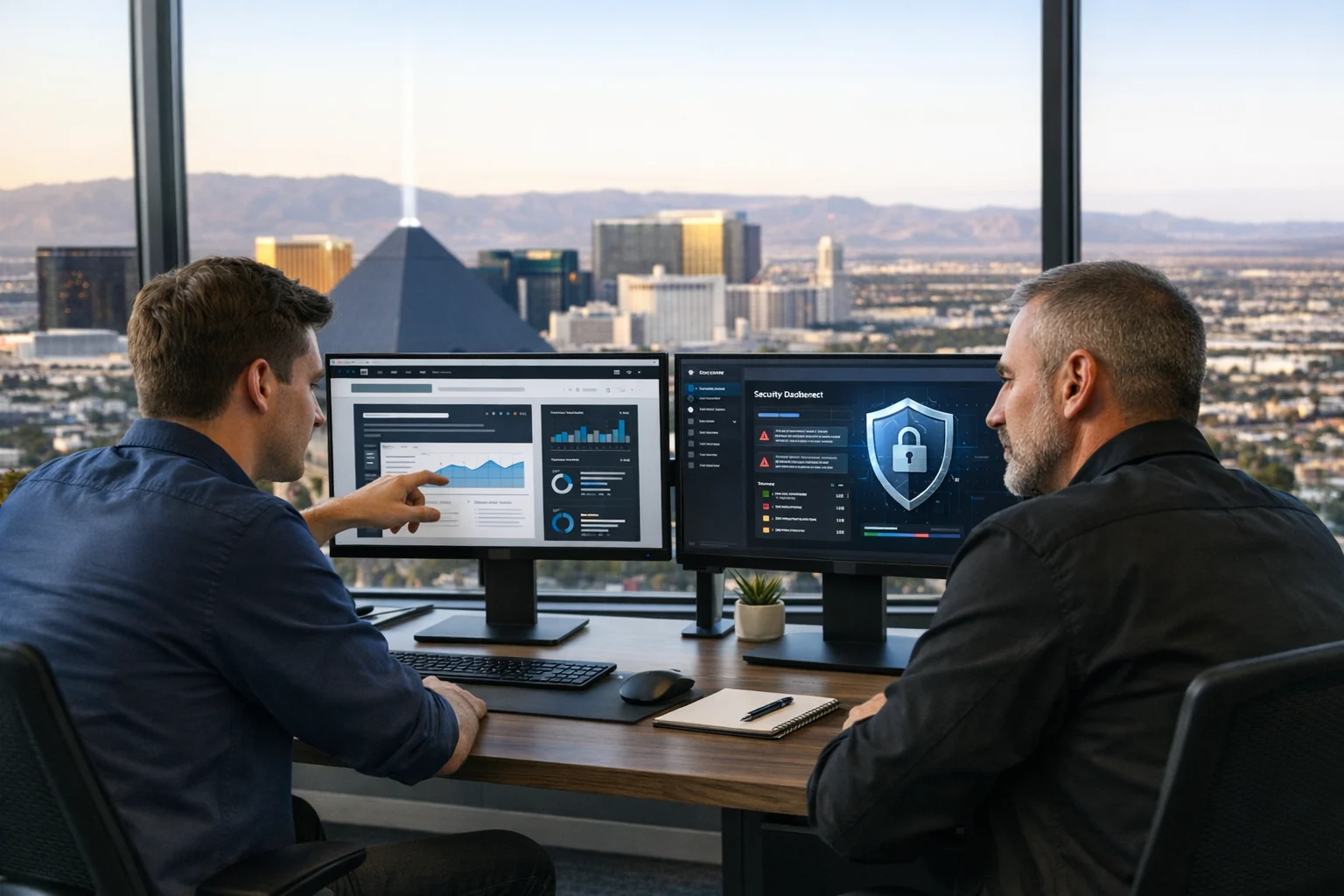
That is why cybersecurity and server hardening matter so much for companies across Las Vegas, from contractors and law offices to restaurants, medical practices, wellness brands, and neighborhood service businesses in Spring Valley. A secure website is not just an IT issue. It is part of sales, marketing, local SEO, and brand protection.
At SiteLiftMedia, we see this all the time. Businesses often invest heavily in Las Vegas web design, content expansion, paid traffic, and Las Vegas SEO, while leaving the hosting environment, update routines, access controls, and server configuration underprotected. Then a preventable issue hits. Maybe malware gets injected into a page. Maybe spam URLs get indexed in Google. Maybe a form stops working. Maybe the site gets blacklisted, flagged by browsers, or starts redirecting traffic to junk pages. That is not just a security problem. It becomes a search visibility problem, a conversion problem, and a reputation problem.
If you are comparing a Las Vegas web designer, a Las Vegas SEO agency, a Las Vegas SEO firm, or an AI SEO Las Vegas partner, security should be part of the conversation from the start. Here is why cybersecurity and server hardening are such an important layer for Las Vegas business websites, and what a smart protection plan should include.
Why website security is a business growth issue, not just a technical issue
When business owners hear the word cybersecurity, they often think of data breaches, ransomware, or large corporate attacks. Those are real concerns, but many website threats start much smaller. Outdated plugins, weak admin credentials, loose file permissions, old CMS versions, exposed server ports, and neglected backups create openings that attackers exploit every day.
For a local business website, that can quickly cause visible damage:
- Lead forms stop sending inquiries
- Pages load slowly or fail altogether
- Spam pages get indexed in Google
- Users see browser security warnings
- Customer data becomes exposed
- Rankings drop because Google no longer trusts the site
- Paid traffic lands on broken or infected pages
If you depend on local SEO Las Vegas visibility, even a short period of compromise can hurt your pipeline. Local service companies, home service brands, healthcare offices, and neighborhood focused businesses in Spring Valley usually do not have months to spare recovering lost rankings or rebuilding trust. One technical security issue can disrupt the exact channels you rely on for calls and appointments.
That is why businesses looking for web design Las Vegas support should think beyond visuals. A polished homepage does not help much if the backend is vulnerable, the server is misconfigured, or user access is too wide open.
What server hardening actually means
Server hardening is the process of reducing the number of ways a server can be attacked. In plain terms, it means locking down the environment that runs your website so attackers have fewer entry points and less room to move around if they do get in.
That includes the operating system, hosting stack, software versions, database access, user roles, firewall rules, authentication settings, and file permissions. Hardening is not one plugin or one checkbox. It is a layered process.
Core server hardening steps for business websites
- Keeping software updated so known vulnerabilities do not stay open
- Removing unused services and applications that create unnecessary attack surface
- Using strong authentication with unique passwords and multi factor authentication where possible
- Restricting user permissions so staff and vendors only access what they actually need
- Configuring firewalls and security rules to block malicious traffic patterns
- Securing file permissions to prevent unauthorized edits or uploads
- Monitoring logs and suspicious activity to catch problems early
- Maintaining clean backups so recovery is possible without major downtime
- Using SSL properly so traffic is encrypted and browsers trust the site
For WordPress and other CMS based websites, hardening also includes plugin review, admin path protection, database precautions, scheduled malware scanning, and careful oversight of themes and custom code. This is where many businesses run into trouble. They launch a site, add tools over time, grant access to too many people, and never clean up the environment.
That is especially common when a business has worked with multiple vendors over the years. One agency handled the build. Another managed paid ads. A freelancer touched the forms. Someone else added tracking scripts. Nobody fully owns the security baseline. That is exactly where vulnerabilities tend to hide.
How a compromised website hurts SEO, advertising, and conversions
A hacked or unstable website does not just create embarrassment. It often damages the channels you are already paying to build.
Start with technical SEO. Search engines want to send users to reliable, safe, fast websites. If malware appears, pages get injected, redirect chains show up, crawl paths break, or site speed tanks, your search performance can slide fast. Index bloat from spam URLs is a common issue. Google may start crawling junk instead of your real service pages. Ranking signals get diluted. Important pages may drop. A business that spent months improving service area pages, adding content, and strengthening internal links can watch that momentum disappear because the site was not protected.
It also affects local trust signals. If your site is unstable, slow, or visibly broken, users bounce. That weakens the performance of your conversion focused website and hurts the return on every traffic source. If your team is doing Google Business Profile optimization to improve clicks from branded and non branded searches, the landing experience still has to deliver. Better map pack rankings are far less valuable when visitors hit a security warning, a hacked page, or an unresponsive mobile site.
Paid traffic suffers too. PPC landing pages need fast load times, clean forms, and predictable behavior. If the server is strained, scripts are compromised, or spam files are consuming resources, your cost per lead can rise without an obvious explanation. Teams may blame ad targeting or creative when the real issue is infrastructure.
There is also a long term brand cost. Local businesses in Las Vegas compete in crowded markets. Trust matters. If a customer lands on your website and something feels off, that doubt does not stay confined to the website. It affects how they see the business itself.
Security and performance are closely linked, which is one reason we often recommend that businesses also think about site efficiency during rebuilds and redesign planning. Site speed, cleaner code, stronger hosting choices, and reduced bloat all support both security and usability. SiteLiftMedia has covered this relationship in our article on performance driven design for business websites.
Why Las Vegas and Spring Valley businesses need to take this seriously
Las Vegas businesses operate in a highly competitive search environment. Service companies are fighting for local calls. Restaurants are competing for mobile visitors ready to book or order. Professional firms need credibility. Medical and wellness practices need secure forms and patient trust. E-commerce brands cannot afford checkout problems or suspicious site behavior.
Spring Valley adds another layer because many businesses there are neighborhood anchored and referral driven. A local dental office, med spa, contractor, family law firm, or restaurant can build a strong reputation offline, but if the site is neglected, the digital side of the brand becomes a weak point. That is especially risky during seasonal pushes, spring marketing campaigns, redesign planning, or content expansion when more pages, forms, scripts, and integrations are being added.
We also see local businesses underestimate how often automated attacks happen. They assume hackers only target big brands. In reality, bots scan the web constantly for easy openings. They do not care whether your company has ten employees or two hundred. If your plugin is outdated, your admin login is weak, or your server rules are loose, you can still become a target.
For industries that handle sensitive information, the risk becomes even more serious. Healthcare offices, wellness clinics, and professional firms in Las Vegas have to think beyond rankings. They need secure hosting practices, safe form handling, disciplined user access, and a maintenance process that reduces exposure.
Good web design and good security should support each other
One mistake we see is treating security as separate from website strategy. It should not be. The best custom web design projects build security into the planning process, not as an afterthought once the site is live.
If you are hiring a digital marketing agency Las Vegas business owners trust, ask how they handle forms, file uploads, admin roles, plugin selection, hosting guidance, backups, update cycles, and incident response. A serious team should be able to answer those questions clearly.
Strong Las Vegas website design is not just about branding and layout. It is also about creating a stable environment that supports growth. That includes:
- Using only necessary tools and integrations
- Avoiding bloated or poorly maintained plugins
- Building forms that are secure and spam resistant
- Structuring pages cleanly for fast rendering
- Planning user roles carefully so access stays controlled
- Choosing hosting and maintenance standards that fit the business
Security also affects modern search visibility features. Businesses putting effort into structured data, FAQ schema, location pages, service pages, and AI discoverability need those assets to sit on a trustworthy technical foundation. If the site gets compromised, the benefit of that work can disappear quickly.
That is one reason content strategy and security should work together. If you are expanding service pages or adding answer based content for search and AI systems, it helps to pair that with a disciplined maintenance process. We talk more about answer focused content in our article on how FAQ content improves AEO for Las Vegas businesses.
What a practical cybersecurity plan should include for a local business website
Business owners do not need a bloated enterprise security program to improve website protection. They do need consistency. A strong local website security plan usually includes the following:
1. Update management
Core software, plugins, themes, server packages, and integrations need scheduled review and updates. Waiting until something breaks is not a strategy.
2. Access control
Every user account should be reviewed. Old staff, past vendors, and unnecessary admin privileges should be removed. Least privilege matters.
3. Backup and recovery readiness
Backups should be automated, verified, and stored separately from the live environment. A backup that has never been tested is not enough.
4. Malware scanning and monitoring
Regular scans, log review, and uptime alerts help catch issues before they turn into major outages or search problems.
5. Firewall and traffic filtering
Web application firewall rules and server side protections can block many common attack patterns before they reach the application layer.
6. Performance and integrity checks
Security issues often show up as speed problems, strange redirects, unexpected files, or broken pages. Monitoring those signals matters.
7. Secure hosting and server review
Not all hosting is equal. Businesses should understand who manages the environment, how patches are handled, and what protections are in place.
8. Ongoing Las Vegas website maintenance
Website maintenance is where many security wins or losses happen. Small neglected tasks turn into bigger problems over time.
For local brands trying to improve Las Vegas SEO, this maintenance layer also supports site health, crawl reliability, page speed, and cleaner indexing. Security and SEO are not the same thing, but they overlap far more than many businesses realize.
What to ask when comparing a Las Vegas web designer, SEO firm, or AI SEO partner
If you are evaluating a Las Vegas SEO agency, a SEO company Las Vegas businesses recommend, or a web team promising strong growth, do not stop at rankings and design portfolios. Ask operational questions.
- Who handles platform, plugin, and server updates?
- What is your backup process and how often is recovery tested?
- How do you handle admin access and user permissions?
- Do you monitor for malware, uptime, and unusual file changes?
- What happens if the website is compromised?
- How do security decisions affect technical SEO and site performance?
- Do you review hosting quality and server configuration?
The right partner should be able to connect the dots between security, performance, design, and visibility. If an agency talks only about aesthetics or only about keywords, that is an incomplete picture.
This matters even more now that businesses are exploring Las Vegas AI SEO and broader search visibility across traditional search, local search, and AI assisted discovery. AI tools can help expand content, analyze search patterns, and uncover opportunities, but they do not replace technical discipline. If the site itself is unstable or compromised, content gains are limited.
The same applies to local presence work. Better location pages, citations, and stronger business information are valuable, but they perform better when tied to a stable website and consistent brand trust. If you are improving local messaging, our article on creating better Google Business Profile descriptions is a useful companion to this conversation.
How SiteLiftMedia approaches website protection for Las Vegas businesses
At SiteLiftMedia, we do not treat cybersecurity as a bolt on service that sits outside the rest of digital growth. We look at it as part of the website ecosystem. If a business wants stronger lead flow, better local visibility, cleaner analytics, and a more dependable user experience, the site needs a secure technical foundation.
That means reviewing the website and hosting environment through both a marketing lens and an infrastructure lens. We look at the health of the build, update practices, form behavior, plugin risk, page speed, crawl consistency, and whether the current setup supports the company’s growth goals. If a business is planning a redesign, expanding service content, cleaning up local SEO, or launching new campaigns, that is often the right time to address server hardening and security gaps instead of waiting for a problem.
For local service companies in Las Vegas and Spring Valley, that might mean securing a lead generation website so calls and form submissions stay reliable. For restaurants, it might mean protecting integrations and mobile performance. For healthcare and wellness brands, it may involve tighter controls around forms, access, and maintenance. For e-commerce businesses, it can mean protecting checkout experience, speed, and customer trust.
A good security process also supports cleaner reporting. When sites are compromised, analytics can become distorted, spam pages can pollute search data, and teams end up making bad marketing decisions based on technical noise. Hardening the environment helps keep your data more trustworthy, which is critical when you are investing in SEO, paid traffic, or conversion optimization.
If you are reviewing providers for Las Vegas web design, local SEO Las Vegas, cybersecurity services, or a stronger maintenance plan, ask to see how security is built into the process, not just sold as an extra. A serious partner should be able to protect the site you have today while helping you build the site and search presence you need next.
If your website has not had a real security review, server audit, or maintenance cleanup in a while, that is a smart place to start. SiteLiftMedia can help you assess risk, tighten the environment, and keep your traffic, rankings, and reputation protected as your business grows in Las Vegas.
Local Focus: Las Vegas Search Visibility
SiteLiftMedia works with businesses that want stronger visibility across the Las Vegas valley. The map below highlights the local market context for this article and the kind of location based search intent that matters when people compare a Las Vegas web designer, Las Vegas SEO agency, or local SEO firm.
Frequently Asked Questions
Why does cybersecurity matter for local SEO in Las Vegas?
A compromised website can lose rankings, show spam pages in Google, slow down, or trigger browser warnings. That hurts user trust, conversions, and local SEO performance across both organic results and map related traffic.
What is server hardening for a business website?
Server hardening is the process of locking down the hosting environment so there are fewer ways for attackers to get in. It includes updates, firewall rules, access control, secure file permissions, service cleanup, and monitoring.
Should I ask a Las Vegas web designer about security and maintenance?
Yes. Good web design should include secure forms, clean plugin choices, role management, backups, update planning, and hosting guidance. A great looking site is not enough if the backend is exposed.
Can security problems affect PPC landing pages and lead generation?
Absolutely. Security issues can slow pages, break forms, create redirects, or damage trust. That lowers conversion rates and can waste paid traffic, especially for service businesses relying on high intent local leads.
How does AI SEO fit with cybersecurity for Las Vegas businesses?
AI SEO can help with content planning, search analysis, and visibility strategy, but it works best on a stable website. If the site is compromised or poorly maintained, technical issues can limit the gains from AI driven SEO efforts.
Photo Gallery