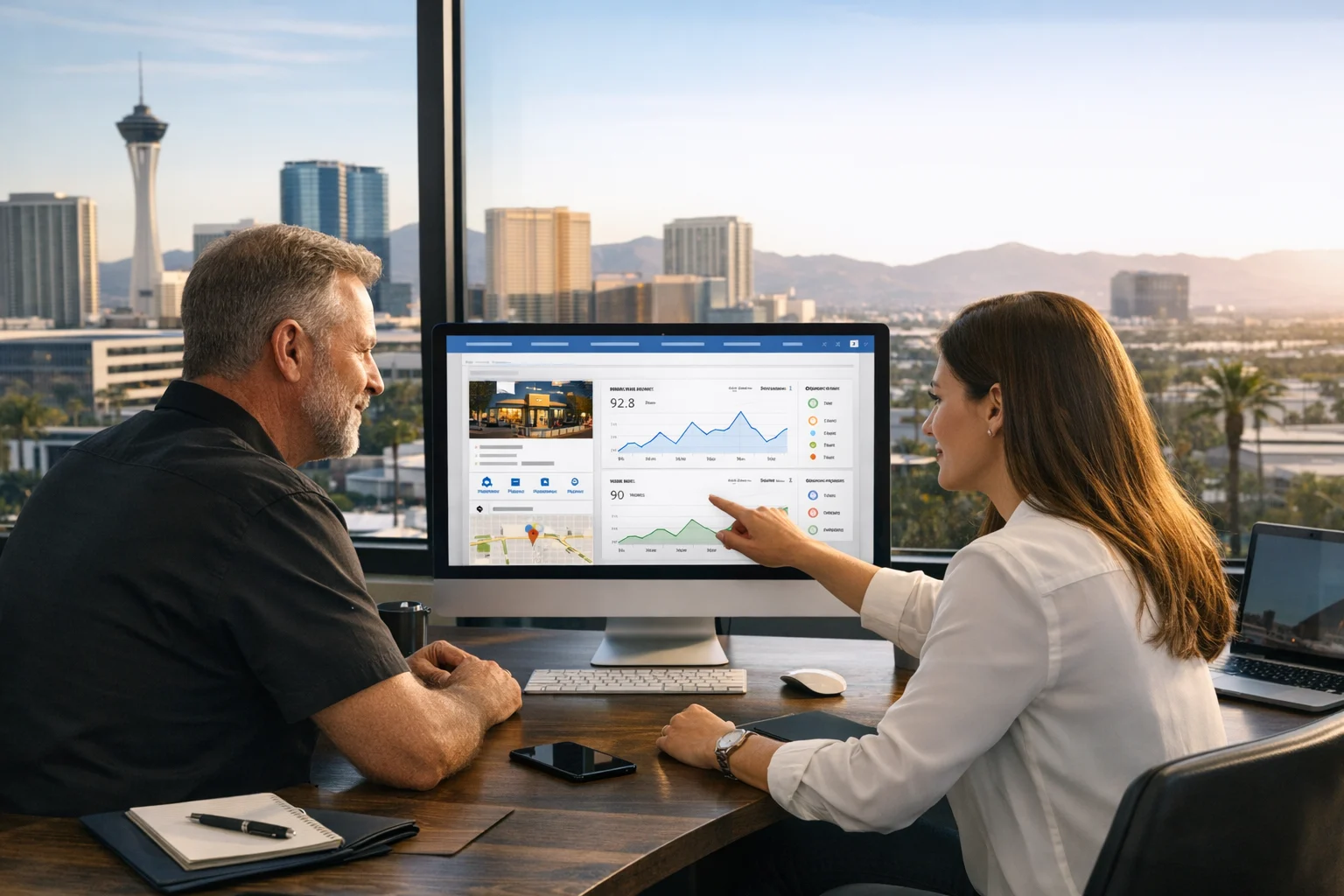
Internal linking is one of the simplest ways to improve a business website, but it is still one of the most overlooked. Many companies invest heavily in content, redesigns, backlink building services, and ad campaigns, then leave their pages disconnected. That creates problems for search engines and for the people using the site. Google has a harder time understanding which pages matter most, and visitors have a harder time finding what they need.
For local businesses, that gap matters even more. A strong internal linking structure helps search engines connect your services, locations, and supporting content. It also helps someone move from a question to a service page to a contact form without getting lost or frustrated. If you are competing in a market like Las Vegas, where search visibility can shift quickly and user expectations are high, those details are not small. They often make the difference between a website that attracts leads and one that quietly loses them.
At SiteLiftMedia, we see this all the time. A company may have strong service pages, useful blog content, and solid design, but the site still underperforms because the internal path is weak. The homepage carries too much weight, key pages sit three or four clicks deep, and location relevance is barely tied together. Fixing that can improve Las Vegas SEO, strengthen usability, and support conversions without requiring a full rebuild.
Why internal linking matters for local search
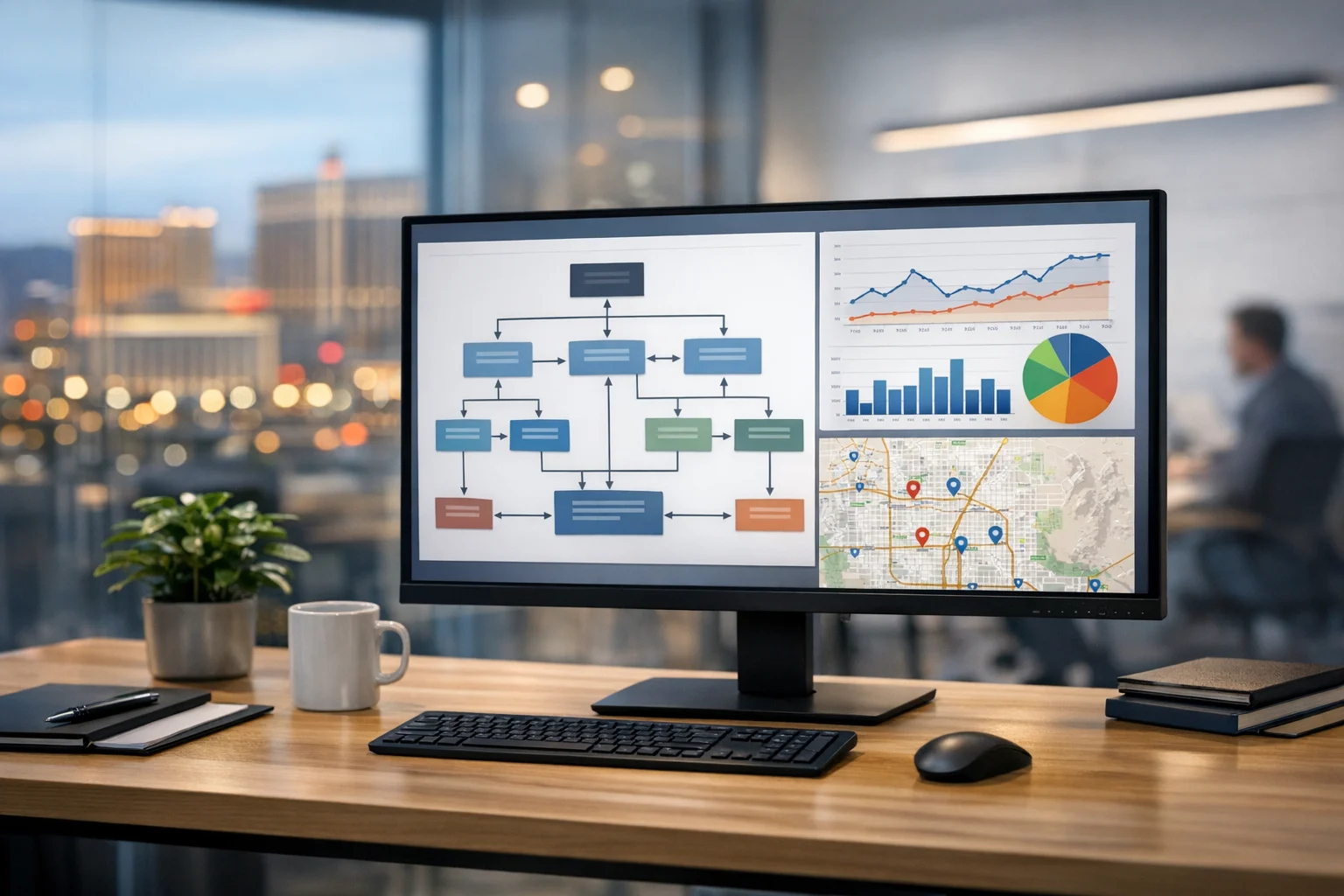
Internal links show search engines how your website is organized. They signal which pages are related, which pages matter most, and which pages deserve more attention. When done well, they help distribute authority across the site and clarify topical relationships.
That is especially important for local SEO. If your website has a page for web design Las Vegas, another for technical SEO, another for website maintenance, and a blog post about local search trends, internal links help tie those assets together. Instead of existing as separate pages, they become part of a connected local relevance system. Search engines can better understand that your business serves Las Vegas clients and offers a defined set of services around digital growth.
Internal linking also improves crawl efficiency. Local business websites often have location pages, service pages, blog posts, FAQs, portfolio entries, and contact pages. When key pages are only accessible from a dropdown menu or buried in a footer, they are harder to discover and prioritize. A strong internal structure makes it easier for search engines to crawl your site and revisit your important commercial pages.
If you want a deeper look at page relationships and keyword expansion, this article on how internal linking helps websites rank for more search terms breaks down how linked page networks support broader visibility.
Internal links improve usability in ways people actually notice
Business owners sometimes hear internal linking and think it is purely a technical SEO task. It is not. Good internal linking makes websites easier to use. That means more page views, stronger engagement, less frustration, and better conversion rates.
Think about how people actually browse a site. They rarely land on the perfect page first. A visitor may start on a blog post, a service page, or a Google Business Profile landing page. From there, they need direction. They may want pricing information, proof of experience, nearby service areas, examples of work, or a way to contact your team. Internal links create those next steps.
When the links are relevant, helpful, and placed where users need them, the website feels easier to navigate. That matters on desktop, but it matters even more on mobile, where most local search traffic happens. Someone searching SEO company Las Vegas from a phone is not going to dig through a confusing menu for five minutes. If your page naturally points them to related services, case studies, or a contact page, they are far more likely to keep moving forward.
Usability improvements from internal linking usually show up in small but valuable ways:
- Visitors discover the right service faster
- They understand your expertise across related areas
- They spend more time on the site because the path makes sense
- They are less likely to bounce after landing on an informational page
- They reach trust-building content before making contact
That is why internal linking supports both SEO and sales. It is not just about rankings. It is about removing friction.
What a smart local internal linking structure looks like
Most local business websites need more than a menu and a few buttons. They need intentional pathways between high-value pages. A smart structure usually connects four content layers: core services, location relevance, supporting education, and conversion pages.
1. Core service pages should support each other
If you offer multiple digital services, your main service pages should not operate like isolated islands. A page about local SEO Las Vegas should link to related services such as technical SEO, content development, web design, PPC, and website maintenance when relevant. That helps both users and search engines understand your broader capabilities.
For example, a company looking for Las Vegas SEO often also needs custom web design, page speed improvements, conversion tracking, or content planning. If those connections are missing, the visitor has to do the work. If those connections are present, the site feels smarter and more useful.
2. Location pages need support from content and service pages
Many companies build a Las Vegas page and expect it to rank on its own. In reality, local pages perform better when the rest of the site reinforces them. Your blog, FAQs, service pages, and case studies should reference relevant geographic intent where it makes sense. A page about technical SEO can link to a Las Vegas service page. A content piece about local visibility can point to a location landing page. That cross-linking helps reinforce the local theme naturally.
If you are building a stronger geographic footprint, this guide on stronger local SEO for a Las Vegas website is useful for understanding how content and location signals work together.
3. Supporting content should lead readers toward action
Blog posts are often where businesses miss major opportunity. They attract traffic, but they do not pass enough value to service pages. A well-written article on local rankings, holiday traffic planning, or business website security should not just sit there. It should point readers to the services that solve the issue being discussed.
If someone is reading about slow page performance before Q4, they may need technical SEO, website maintenance, or performance tuning. If they are reading about breach prevention, they may need cybersecurity services, penetration testing, server hardening, or system administration support. Contextual internal links help readers continue the journey instead of dropping off after the first page.
4. Conversion pages should be easy to reach from informational content
Contact pages, estimate forms, consultation pages, and service inquiry pages should be linked from the content that builds intent. If a visitor reads a strong post on local ranking issues and sees no obvious next step, the site is leaving money on the table. Internal links should move readers from education to action without feeling forced.
How internal linking strengthens local topical authority
Local SEO is not just about putting a city name on a page. Google looks for patterns. It wants to see that your site consistently covers the topics, services, and local contexts tied to your business. Internal linking helps create that pattern.
Let us say a digital agency serves businesses across the country but has a strong client base in Nevada. The website might include service pages for Las Vegas SEO, custom web design, social media marketing, backlink building services, and technical SEO. It may also publish articles on local search trends, page speed, structured content, and lead generation. When those assets link to each other thoughtfully, the site builds a clear topic cluster around local digital growth.
That connected structure tells search engines that the site is not casually mentioning local terms. It is demonstrating expertise across a related set of subjects. That is part of why internal links help support rankings for both commercial and informational searches.
At SiteLiftMedia, we often pair internal linking with content cluster planning so the site architecture reflects how real businesses search and buy. A business owner may start with local SEO Las Vegas, then realize they also need landing page improvements, a faster website, or stronger tracking. The right links support that discovery in a natural way.
Common internal linking mistakes that hurt rankings and user flow
Not every internal link helps. Poor linking can dilute page value, confuse visitors, and make a site harder to navigate. Here are some of the issues we see most often when auditing business websites.
- Orphan pages: Important pages exist but are barely linked from anywhere else on the site. Search engines and users both struggle to find them.
- Generic anchor text: Repeating phrases like click here or learn more gives little context. Descriptive anchor text helps users know what they will get next.
- Too many links on a page: When every sentence becomes a link, nothing feels important. Prioritize relevance over volume.
- Only linking from navigation: Menus matter, but contextual links inside page content often carry more meaning and lead to better user behavior.
- Sending traffic to weak pages: If your internal links point to thin, outdated, or duplicate content, you are not helping the user or your SEO.
- Ignoring local intent: Businesses may have strong service content but fail to connect it to city or regional pages where local visibility matters most.
- Broken links and redirect chains: These create friction, waste crawl paths, and weaken the user experience.
One simple rule helps here: every internal link should make the next click easier and more useful.
Internal linking works best when technical SEO is already in shape
Internal linking can do a lot, but it works better when the site itself is technically sound. Slow pages, indexing problems, weak mobile usability, poor page structure, and cluttered navigation can all limit the value of a good linking plan.
That is why internal linking should be part of a wider optimization effort. If your website has crawl errors, duplicate metadata, layout instability, or poor page depth, those problems should be addressed too. Strong local rankings come from systems working together, not from a single isolated fix.
If you are sorting out the technical side, this article on why technical SEO is critical for ranking in Las Vegas explains why site performance and search visibility are tightly connected in competitive local markets.
Clean design matters here too. A polished site does not automatically mean a usable one. We have seen beautiful websites with poor internal pathways that bury important service pages, and simpler websites that convert better because the structure is clear. For companies investing in web design Las Vegas or a broader redesign, internal linking should be part of the planning, not something tacked on after the pages go live.
Examples of internal linking opportunities most local businesses miss
There are a few patterns that show up again and again across service businesses, especially in competitive metros like Las Vegas.
Linking blog content to service pages
If your site publishes educational content, each useful article should have a logical path to a relevant service. A post on Google Business Profile optimization should connect to local SEO services. A post on hacked sites should connect to cybersecurity services or business website security solutions. A post on slow site performance should connect to technical SEO or website maintenance.
Linking service pages to proof pages
Users rarely convert from a service description alone. Service pages should link to case studies, testimonials, portfolio items, or project examples when possible. That keeps users moving and builds confidence.
Linking between related services
A company looking for SEO may also need PPC. A company investing in custom web design may need hosting support, system administration, or ongoing website maintenance. A company concerned about traffic loss before the holidays may also need performance tuning and security readiness. Related services should be linked where the connection is real.
Linking location pages to city-specific content
If you serve Las Vegas, Henderson, Summerlin, or clients statewide and nationwide, city and regional pages should connect to relevant articles and services. That gives those pages more context and improves usability for people who want to know whether you work in their area.
Why this matters before Q4, seasonal pushes, and lead generation sprints
Internal linking often becomes even more valuable during busy periods. In Q4, during holiday traffic planning, or ahead of major promotional campaigns, businesses usually want better performance from the traffic they already have. Internal links help make that happen.
If seasonal traffic increases, users need fast paths to the right pages. If your business is preparing for a product push, local service expansion, or year-end marketing sprint, internal links can direct people toward the pages that matter most. They can also surface time-sensitive pages that might otherwise stay buried in the site structure.
There is also a security and stability angle here. More traffic exposes more weaknesses. If your site relies on old pages, broken pathways, or messy redirect logic, busy seasons can make those flaws more obvious. Businesses that invest in website maintenance, server hardening, penetration testing, and business website security often benefit from reviewing internal links at the same time. Better structure supports cleaner site management and a more reliable user experience.
How SiteLiftMedia approaches internal linking for growth
At SiteLiftMedia, we do not treat internal linking as random housekeeping. We treat it as part of a broader growth strategy. The goal is to make the website easier to understand, easier to crawl, and easier to use. That applies whether we are helping with Las Vegas SEO, a nationwide content strategy, custom web design, social media marketing support, or a broader technical rebuild.
Our process usually starts with a practical audit. We identify the pages that generate leads, the pages that should rank locally, the pages that attract traffic, and the gaps between them. Then we map better pathways. In many cases, the fixes are not dramatic. We might add contextual links from blogs to service pages, tighten anchor text, support local landing pages with stronger content connections, and remove dead-end paths that create drop-off.
For more complex websites, internal linking may also intersect with app development, system administration, or security planning. Large service sites, custom platforms, and multi-location businesses often need structural improvements that go beyond content edits. That is where experience matters. A linking strategy needs to fit the actual architecture of the website, not just a checklist.
If your site has pages that never get traffic, blog posts that do not support your service goals, or local landing pages that are not pulling their weight, contact SiteLiftMedia for an audit. We will show you where internal linking can improve local SEO, usability, and lead flow, and where a few well-placed fixes can start making the site work harder.
Photo Gallery