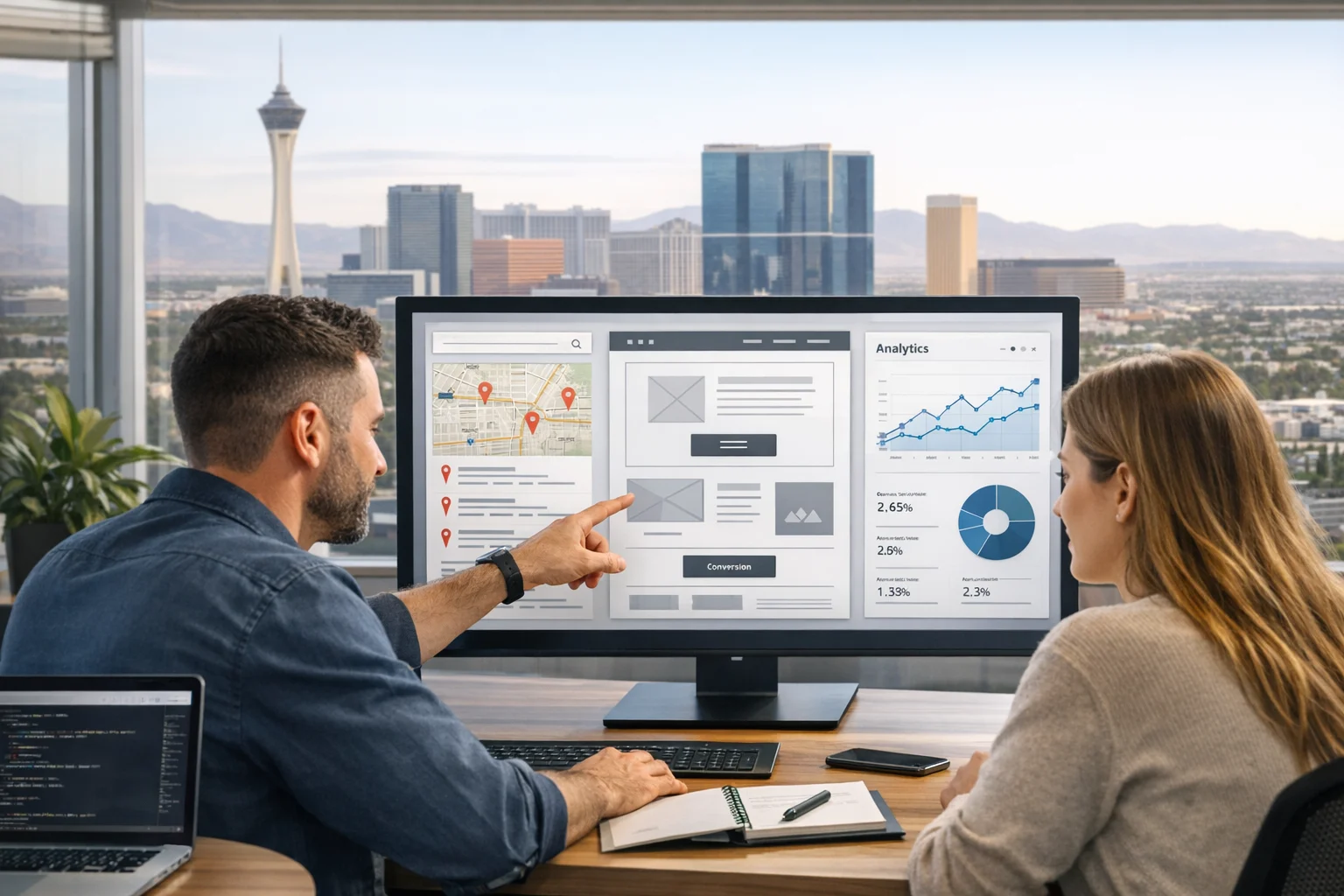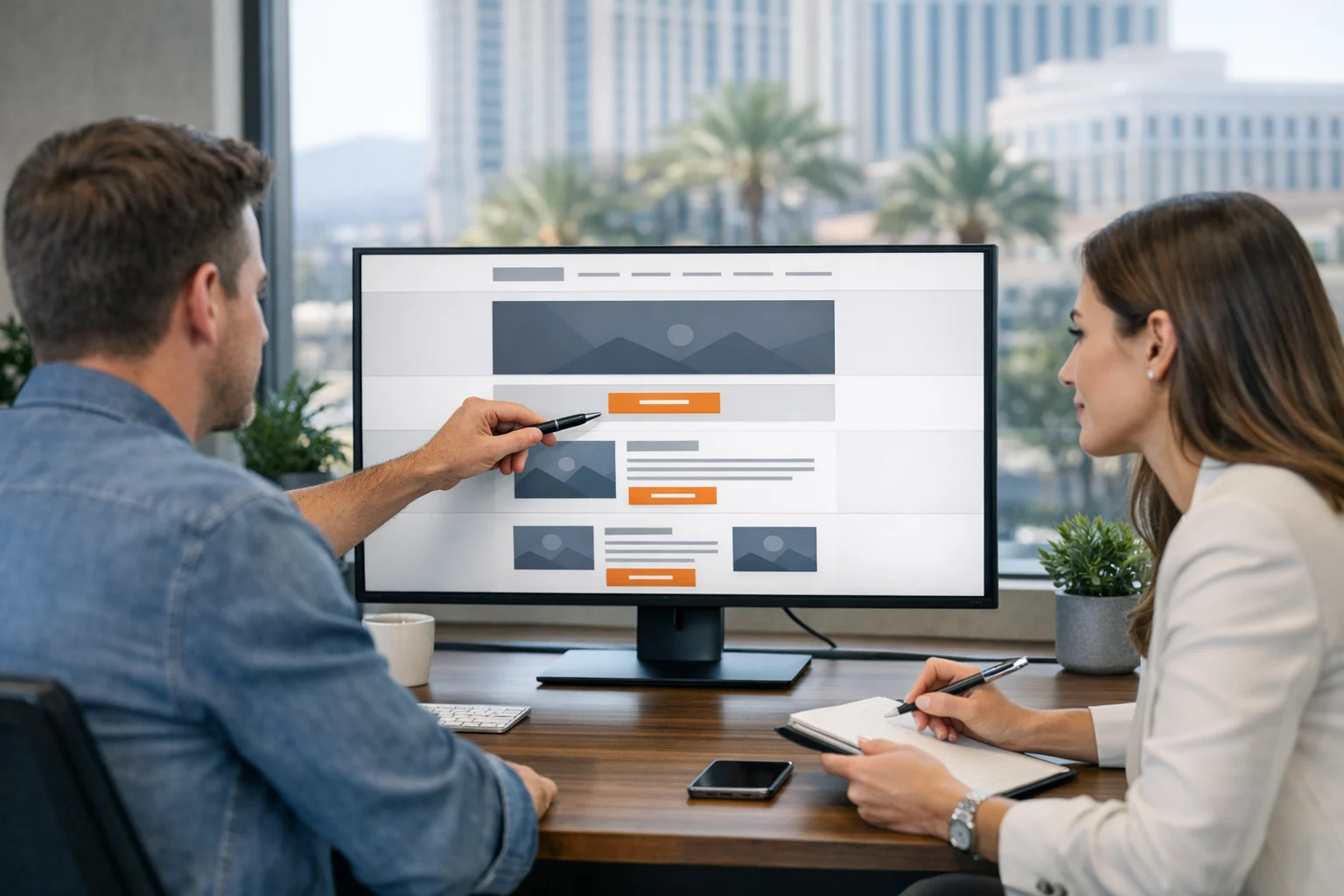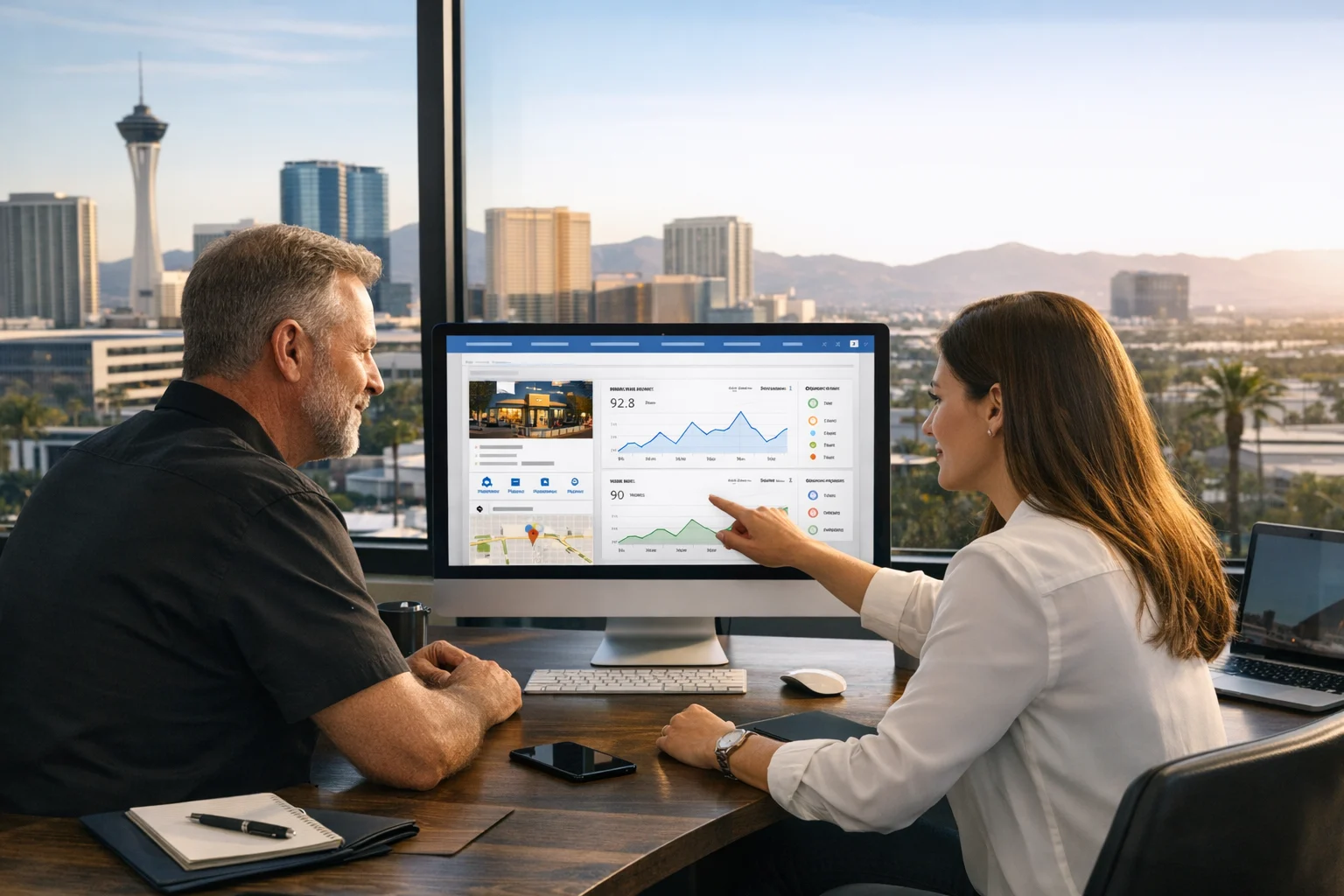
For service businesses, design is no longer just about looking modern. It directly affects whether a visitor calls, fills out a form, books an estimate, or leaves to contact a competitor. That is why UI and UX have become lead generation issues, not just creative ones.
We see this constantly at SiteLiftMedia. A company can invest in Las Vegas SEO, paid ads, social media marketing, and even backlink building services, yet still struggle with lead quality because the website experience gets in the way. The traffic shows up, but the page feels confusing, slow, generic, or untrustworthy. The user bounces before the sales conversation even begins.
The good news is that the most effective UI and UX trends right now are not gimmicks. They are practical design choices that reduce friction, build confidence, and guide people toward action. Whether you're a home services company, law firm, med spa, contractor, dentist, or local service provider trying to grow in Las Vegas or nationwide, these are the design patterns worth watching.
Why UI and UX matter more than ever for service companies
A lot of business owners still think of design as colors, fonts, and layout. Those elements matter, but UI and UX go much deeper. UI is the visible interface people interact with. UX is the full experience of using the site, from the first impression to the thank you page and follow up.
When a service website performs well, it usually does a few things very clearly:
- It shows the visitor they are in the right place within seconds
- It explains what the business does and who it helps
- It makes the next step easy on desktop and mobile
- It removes doubt with proof, clarity, and trust signals
- It supports SEO and local intent instead of working against them
That last point matters a lot in competitive markets. If you're investing in technical SEO, local SEO Las Vegas campaigns, or hiring an SEO company Las Vegas businesses trust, your website experience needs to support the traffic you're paying for. Strong rankings can get attention. Strong UX turns that attention into leads.
Intent based page structure is replacing generic hero sections
One of the biggest shifts in web design is moving away from vague homepage messaging and toward intent based page structure. People do not land on a service page hoping to admire a clever slogan. They want answers quickly. What do you do? Where do you work? How soon can they hear back? Why should they trust you?
The best performing websites now lead with clear service language, location relevance, a visible call to action, and proof above the fold. For a Las Vegas HVAC company, that might mean a headline tied to repair or installation, a short note that they serve Las Vegas and nearby areas, a click to call button, and recent review highlights. For a legal practice, it might be a focused service headline, case type information, and a consultation prompt.
Custom web design is especially valuable here because it lets you structure pages around buyer intent instead of forcing your content into a one size fits all template. We've seen template sites bury the contact path under animations, oversized banners, and empty branding language. If that sounds familiar, this breakdown of why template based websites struggle with SEO and leads explains why they often underperform.
Good UX is not about adding more. It is about making the right information easier to reach.
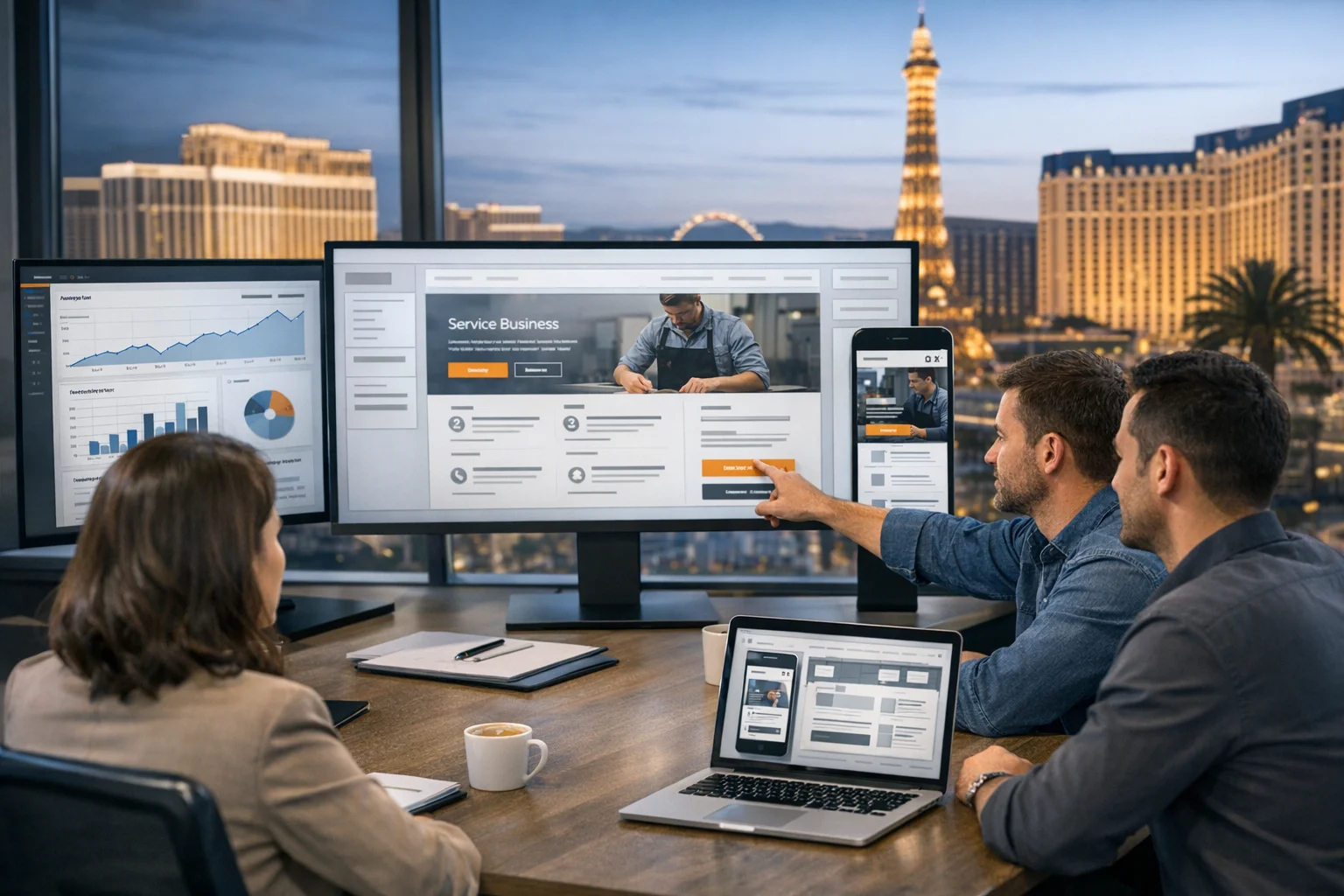
Mobile first UX is now the main conversion path
For many service industries, most first visits happen on a phone. That is especially true for urgent needs like plumbing, roofing, locksmith services, towing, and emergency repairs. It is also common for local searches tied to med spas, dental offices, attorneys, and contractors. If the mobile experience feels cramped or awkward, lead volume drops fast.
The current trend is not just responsive design. It is mobile first conversion design. That means pages are built around touch behavior, thumb reach, shorter attention spans, and simple action paths. The most effective patterns include sticky call buttons, easy tap forms, compressed menus, concise copy blocks, and prominent trust signals that do not force endless scrolling.
We also recommend trimming anything that gets in the way of quick action. Long image carousels, popups that block content, oversized headers, and tiny form fields make mobile visitors work too hard. If someone is ready to request service, your job is to make that feel effortless.
This is one reason web design Las Vegas companies need to think beyond desktop mockups. Tourists, residents, and busy professionals are all searching on the go. Mobile UX is not a secondary design pass anymore. It is the front door.
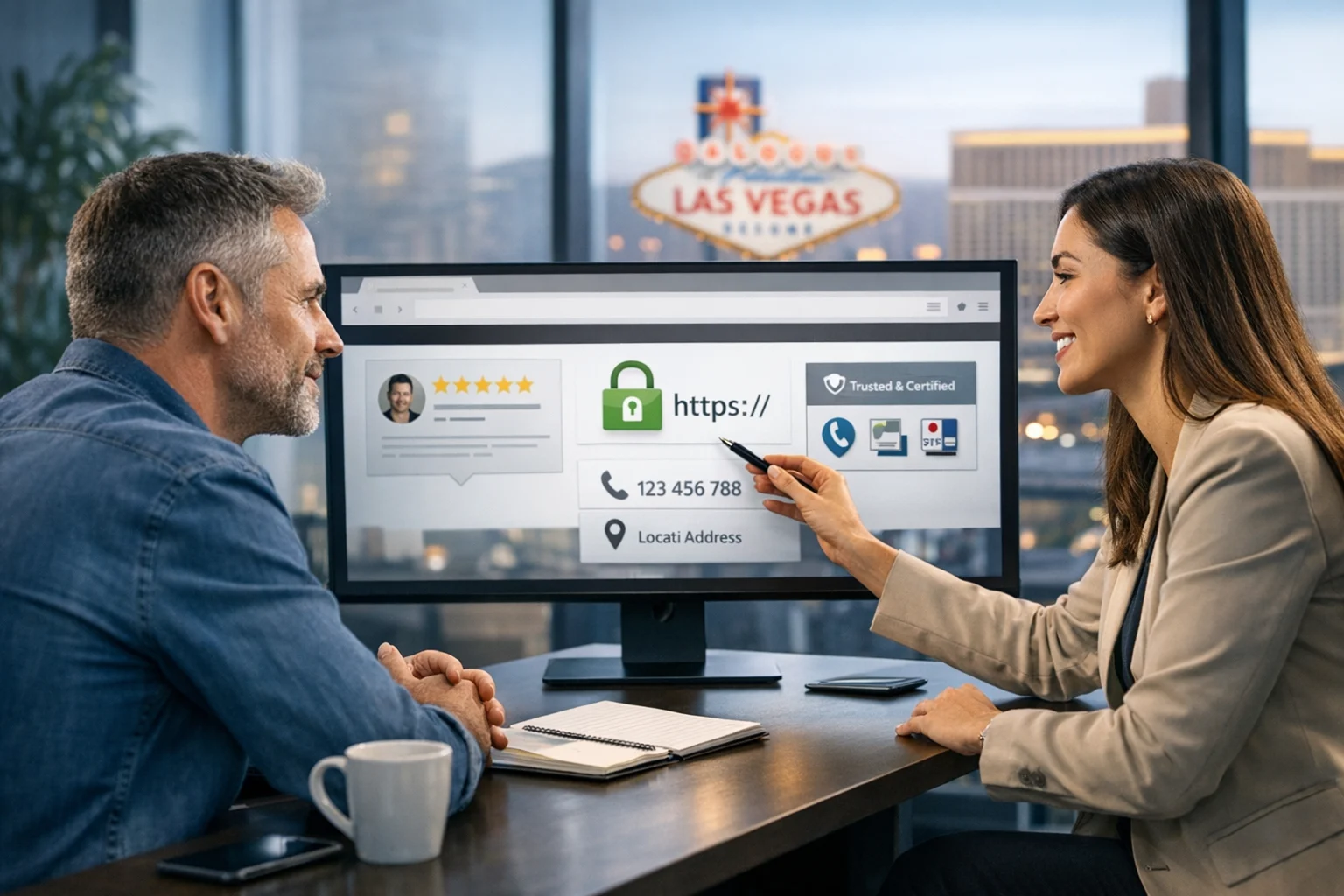
Trust signals belong next to the call to action
A lot of websites still isolate trust building content on an About page while the service pages remain thin and overly sales driven. That is a missed opportunity. One of the strongest UX trends for lead generation is placing trust signals exactly where hesitation happens.
If a visitor is about to call or submit a form, that is the moment to show proof. Reviews, certifications, awards, years in business, response time expectations, warranties, photos of completed work, team credentials, financing options, and local affiliations can all reduce anxiety when placed well.
For service businesses in Las Vegas, local proof matters even more. People want to know that you understand their area, licensing requirements, neighborhoods, climate issues, or business environment. A contractor serving Summerlin, Henderson, North Las Vegas, and surrounding areas should not hide that information. It should be woven into the page experience naturally.
One practical approach we use at SiteLiftMedia is pairing each key action area with a short proof stack. A quote form can sit beside star ratings and service guarantees. A phone CTA can sit beside service area notes and hours. A landing page can include recent project images and a short testimonial block before the main form. These are small UI decisions, but they can have a big effect on conversion behavior.
Fast, lightweight interfaces are beating flashy design
Another major trend is a return to speed. Not speed in the abstract, but performance as part of the user experience. Service business websites that load fast, respond quickly, and keep interactions smooth almost always convert better than bloated sites packed with effects.
This is where UI, UX, and SEO overlap. A faster site improves engagement, reduces bounce rates, and supports technical SEO. It also makes paid traffic more efficient because fewer visitors abandon the page before it becomes usable. In local markets, speed can be the difference between winning a call and losing it.
That is one reason we steer clients away from unnecessary visual clutter. Animations should support clarity, not distract from it. Large scripts, overbuilt page builders, and oversized media libraries often create a worse experience, even if the site looks polished in a static preview.
If performance is already on your radar, our article on why fast loading websites matter for Las Vegas businesses goes deeper into the local impact. For service businesses investing in lead generation, speed is not a technical nice to have. It is part of conversion design.
Localized UX helps capture Las Vegas and nearby search intent
There is a big difference between a website that merely mentions a city and one that truly supports local search behavior. One of the strongest UX trends in local service design is building localized experiences that match how people search for and evaluate providers.
For Las Vegas businesses, that often means dedicated service pages with meaningful local content, clear service area references, embedded trust elements, and location relevant imagery. It can also mean neighborhood pages when they are done well, not stuffed with duplicate copy. A user searching for a service in Henderson or Summerlin should feel that the page speaks directly to their area and needs.
This matters for Las Vegas SEO because user signals and page relevance are tied together. If your content is technically optimized but the page feels generic, visitors will not engage the way you want them to. Strong local UX helps reinforce local SEO Las Vegas efforts by making the page more useful once the click happens.
It also helps with Google Business Profile traffic. People who find you in the map results often land on your website just to verify credibility. They want fast confirmation that you serve their area, offer the service they need, and look legitimate. If local visibility is part of your growth plan, pair your design updates with Map Pack ranking improvements for Las Vegas businesses so the site and local search strategy work together.
For companies trying to rank in competitive categories, this is where design becomes a business advantage. A polished national site is useful, but a localized user experience often wins more real leads.
Conversational forms and guided booking flows are lifting conversion rates
Long, cold contact forms are fading out. More service businesses are adopting conversational forms, guided estimate tools, and shorter lead capture experiences that feel easier to complete. This trend works because it lowers the mental load on the user.
Instead of asking for ten fields at once, a better flow might ask two or three simple questions first. What service do you need? What zip code are you in? When do you need help? Once the visitor starts, they are more likely to finish. This is especially true on mobile.
That does not mean every business needs a complex quoting engine. In fact, many do better with a simple, well designed form paired with clear expectations. Tell people how quickly you respond. Let them choose call, text, or email when possible. Offer click to call for urgent needs. Use smart defaults and easy dropdowns instead of open ended fields when it makes sense.
The UX trends that feel the most modern are usually the ones that respect the user's time. If your current form looks like paperwork, it is probably costing you leads.
Readable, accessible design is becoming a real competitive edge
One of the less flashy but most effective trends in UI and UX is improving readability and accessibility. Service business websites do not need to be visually loud to perform well. In many cases, clean typography, strong contrast, logical spacing, and scannable sections outperform more aggressive layouts.
This matters because visitors are often distracted, stressed, or comparing several providers at once. They skim. They jump between pages. They look for quick evidence that your company is credible. If your copy is hard to scan or your interface creates friction, people leave.
Accessible design also broadens who can use your site successfully. Clear labels, visible focus states, legible text sizes, descriptive buttons, and consistent navigation help everyone, not just users with disabilities. Better accessibility also tends to improve usability metrics and support cleaner site structure for search engines.
From a lead generation perspective, easy reading is a conversion feature. So is a simple navigation menu. So is a service page that gets to the point. These are not minor design details. They directly shape whether someone keeps moving forward.
Secure by design builds confidence before a lead ever submits
Security is now part of UX. People may not know the technical details, but they can sense when a website feels outdated, risky, or poorly maintained. Broken functionality, browser warnings, spammy forms, and sketchy behavior all damage trust immediately.
For service businesses, that means business website security should be treated as part of the website experience, not a separate IT issue. Secure form handling, HTTPS, software updates, anti spam protection, malware monitoring, and dependable hosting all contribute to a safer and more trustworthy interface.
At SiteLiftMedia, we often see companies focus on design refresh projects while overlooking the infrastructure that supports them. That is risky. Website maintenance, system administration, server hardening, and proper platform updates protect the lead flow you worked to build. If your site runs on WordPress, these common WordPress vulnerabilities that get sites hacked are worth reviewing.
For larger organizations or businesses handling sensitive inquiries, it also makes sense to think beyond the basics. Penetration testing, cybersecurity services, role based access, and secure integrations can all reduce exposure while supporting a smoother customer experience. Security hardening is not just about avoiding disaster. It helps preserve trust, uptime, and lead continuity.
Strong UX performs best when it is connected to SEO and marketing systems
Design trends only matter if they produce business results. That is why the best agencies treat UI and UX as part of a broader growth system. A good site should support technical SEO, local content strategy, paid campaign landing pages, CRM follow up, and analytics that show you where leads are coming from.
For example, if you're running Las Vegas SEO campaigns and PPC at the same time, your landing pages should mirror the intent of the keyword and the ad. If you invest in backlink building services to improve authority, the destination pages need to be strong enough to convert the traffic those links help attract. If your social media marketing team is pushing seasonal offers, the page experience should reflect that promotion without feeling disconnected from the rest of the site.
This is where annual planning and Q1 growth strategies often go wrong. Companies budget for traffic, but not for the experience after the click. In practice, a website refresh, cleaner page structure, faster load times, and smarter form UX can improve results across every channel at once.
- Audit your top service pages first, not just the homepage
- Check mobile conversion paths for calls and forms
- Look at page speed and interaction delays
- Add trust signals where users hesitate most
- Review security, updates, and lead form reliability
If your current website looks decent but still is not producing enough qualified leads, the issue may not be traffic alone. It may be the experience. SiteLiftMedia helps service businesses with custom web design, technical SEO, local SEO Las Vegas strategy, security, and performance improvements built to generate real inquiries. If you want a website that works harder in Las Vegas and beyond, reach out and let us audit where your UI and UX are helping, or quietly costing you business.
Photo Gallery