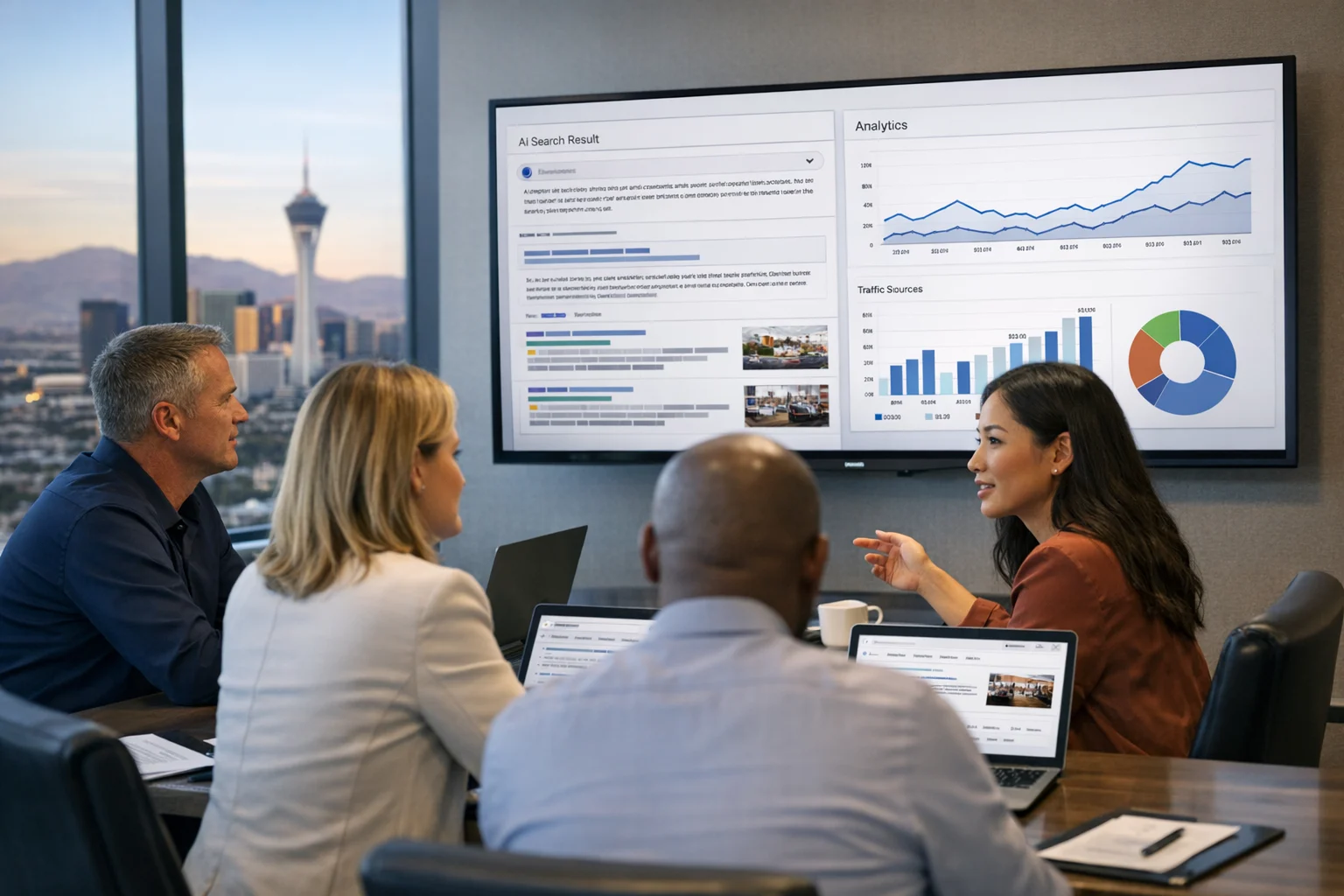
Google's AI Overviews have changed how people interact with search results, and many business owners are feeling that shift before they fully understand it. One month, traffic looks steady. The next, impressions rise, clicks dip, and leads become less predictable. For some companies, it feels like SEO stopped working. It didn't. The environment changed, and the businesses that adapt early are usually the ones that come out ahead.
At SiteLiftMedia, we've been watching this closely across local campaigns, service businesses, multi location brands, and lead generation websites. The biggest mistake we see is assuming AI Overviews mean organic search is dying. That is not what's happening. Search is still one of the strongest acquisition channels available. What is changing is how users get information, what types of pages earn clicks, and which businesses are positioned as trusted sources.
If you run a business, manage marketing, or oversee growth strategy, you need a practical read on what AI Overviews actually do, where organic traffic is shifting, and how to respond without chasing every headline. That matters whether you're targeting nationwide audiences or trying to win more local searches in Nevada, especially in highly competitive spaces tied to Las Vegas SEO, local SEO Las Vegas, and broader digital growth campaigns.
What AI Overviews are really changing
AI Overviews sit near the top of Google results for many informational searches. Instead of showing only a standard list of blue links, Google often generates a summarized answer pulled from multiple sources. For users, that can feel convenient. For businesses, it can reduce clicks for certain queries, especially top of funnel searches where the user just wants a quick explanation.
That does not mean rankings no longer matter. It means visibility now has more layers. A page may still rank well, get cited in an AI Overview, appear in People Also Ask, and show in traditional organic results, all on the same search. Or it may rank on page one and still lose clicks because the answer was delivered before the user ever needed to visit the site.
This shift is most noticeable in searches like:
- Definitions and simple explanations
- Basic comparisons
- Step by step informational queries
- General research before a buying decision
Commercial and local intent still matter a lot. Someone searching for an SEO company Las Vegas, web design Las Vegas, or cybersecurity services for a growing business often needs more than a quick summary. They need a provider, pricing context, trust signals, examples, and a reason to act. AI can shorten the research stage, but it usually does not replace the need to evaluate a real company.
Why some organic traffic is dropping even when visibility looks strong
One of the most frustrating reporting trends right now is seeing impressions go up while clicks go down. That is not necessarily a sign that your campaign is failing. In many cases, it means your pages are being seen more often in search features, but fewer users need to click for surface level answers.
Businesses need to understand the difference between lost visibility and changed click behavior.
Here are a few common reasons organic traffic patterns have shifted:
- AI Overviews answer basic questions directly in the results
- Users compare multiple sources without visiting as many websites
- Search results now include more interactive elements, local packs, videos, forums, and product modules
- Mobile users are making faster decisions with less page exploration
- Search intent is getting split between classic SEO, AI search experiences, and platform based discovery
That last point matters. Search behavior is fragmenting. Some users still rely on traditional Google results. Others trust AI summaries, map results, YouTube, Reddit, LinkedIn, or social media marketing channels to validate what they found. That is why businesses need a broader visibility strategy, not just a rank tracker.
If your reporting only measures traffic volume, you are going to miss what matters. Qualified traffic, branded searches, phone calls, form submissions, booked appointments, and assisted conversions are far more useful indicators now.
Not every page should be judged by clicks alone
AI Overviews are forcing businesses to think more carefully about page purpose. Some content was never meant to convert directly. It existed to educate, introduce the brand, support topical authority, and attract visitors early in the buying cycle. Those pages still matter, but expectations need to change.
For example, a blog post explaining how technical SEO works may get fewer direct clicks than it used to. But if that content helps Google understand your expertise, earns citations, builds trust, and supports rankings for service pages, it still has value.
We usually break pages into a few buckets:
- Awareness content, which answers early stage questions
- Consideration content, which compares options and shows expertise
- Conversion pages, which target service intent, local intent, and buying intent
- Support pages, which strengthen relevance, trust, and internal linking
AI Overviews tend to pressure the awareness bucket the most. Conversion pages still matter deeply, especially for businesses selling services. If someone needs backlink building services, custom web design, website maintenance, or business website security, they are not done after reading a short AI summary. They still need a capable vendor.
This is why combining SEO and answer focused optimization has become essential. If you want a deeper breakdown of that balance, SiteLiftMedia covered it here: AEO vs SEO and how businesses should use both.
What types of content still win in an AI driven search environment
The pages holding up best are usually the ones that do one or more of these things well:
- Address clear commercial intent
- Show firsthand expertise or real operational knowledge
- Include localized details and service context
- Offer proof, examples, case specific insight, or process transparency
- Load quickly and work flawlessly on mobile
- Support the user after the click, not just before it
Thin content is more exposed than ever. Generic blog posts written to hit keywords without actually helping people are getting squeezed. That applies to local service sites too. A city page that simply swaps in "Las Vegas" without showing real local relevance is unlikely to perform well long term.
On the other hand, pages that reflect real expertise have a better shot. Think practical comparisons, pricing guidance, timelines, implementation advice, service area specifics, FAQs built from actual client conversations, and pages that answer the next question a decision maker will ask.
For example, a strong page for local SEO Las Vegas should not stop at saying local SEO helps businesses rank better. It should talk about map pack competition, service area targeting, Google Business Profile quality, review strategy, landing page structure, call tracking, and local citation consistency. It should sound like it was written by a team that has actually worked in competitive local markets.
Local SEO matters even more when AI changes the SERP
For many businesses, especially in Las Vegas, local intent is still where the best leads come from. AI Overviews may reduce some informational clicks, but they do not replace the map pack, local listings, or the need for credible local business pages. As search results become more crowded, strong local signals become even more important.
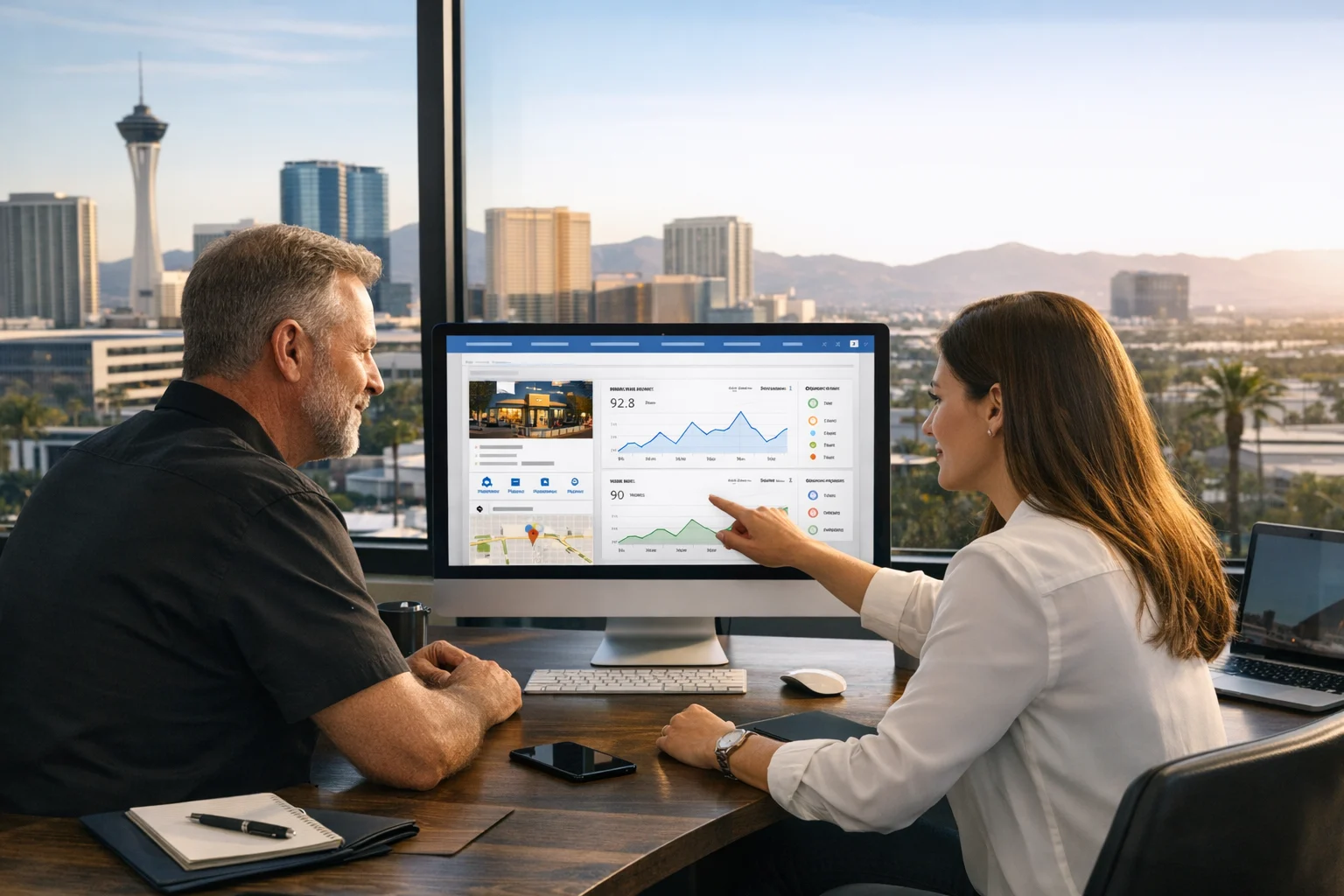
Las Vegas businesses face a particularly sharp version of this problem. Competition is high, industries move fast, and customers often compare multiple providers before making contact. If your Google Business Profile is weak, your site is slow, your reviews are stale, or your local landing pages are generic, you will feel it quickly.
Businesses targeting local traffic should focus on:
- Well optimized Google Business Profile data
- Strong local pages for key service areas
- Clear NAP consistency across the web
- Relevant local backlinks and citations
- Review generation and response practices
- Fast mobile experience and click to call usability
If your team is trying to improve local visibility in Nevada, this guide on how Las Vegas businesses can improve map pack rankings is worth reviewing. It speaks directly to the reality of competing in a market where users make quick choices and local trust signals carry a lot of weight.
For companies with both local and broader service reach, a hybrid strategy usually works best. Build strong local pages for immediate lead generation, then support them with broader authority content that can help you appear in AI influenced search experiences across national queries.
Technical SEO has become a business issue, not just a marketing issue
When AI changes how search results work, site quality becomes even more important. Google needs confidence in the pages it surfaces, cites, or ranks. Technical SEO is not optional. It is part of being indexable, usable, and credible.
We still see plenty of business websites with avoidable problems:
- Slow page speed and bloated themes
- Poor crawl structure
- Duplicate service pages
- Weak internal linking
- Indexing confusion
- Thin city pages
- Broken schema implementation
- Neglected website maintenance
These issues do not always cause an immediate collapse, but they reduce your ability to compete when search results get tighter. If Google has multiple decent pages to choose from, the better maintained, cleaner, and more trustworthy site usually has the edge.
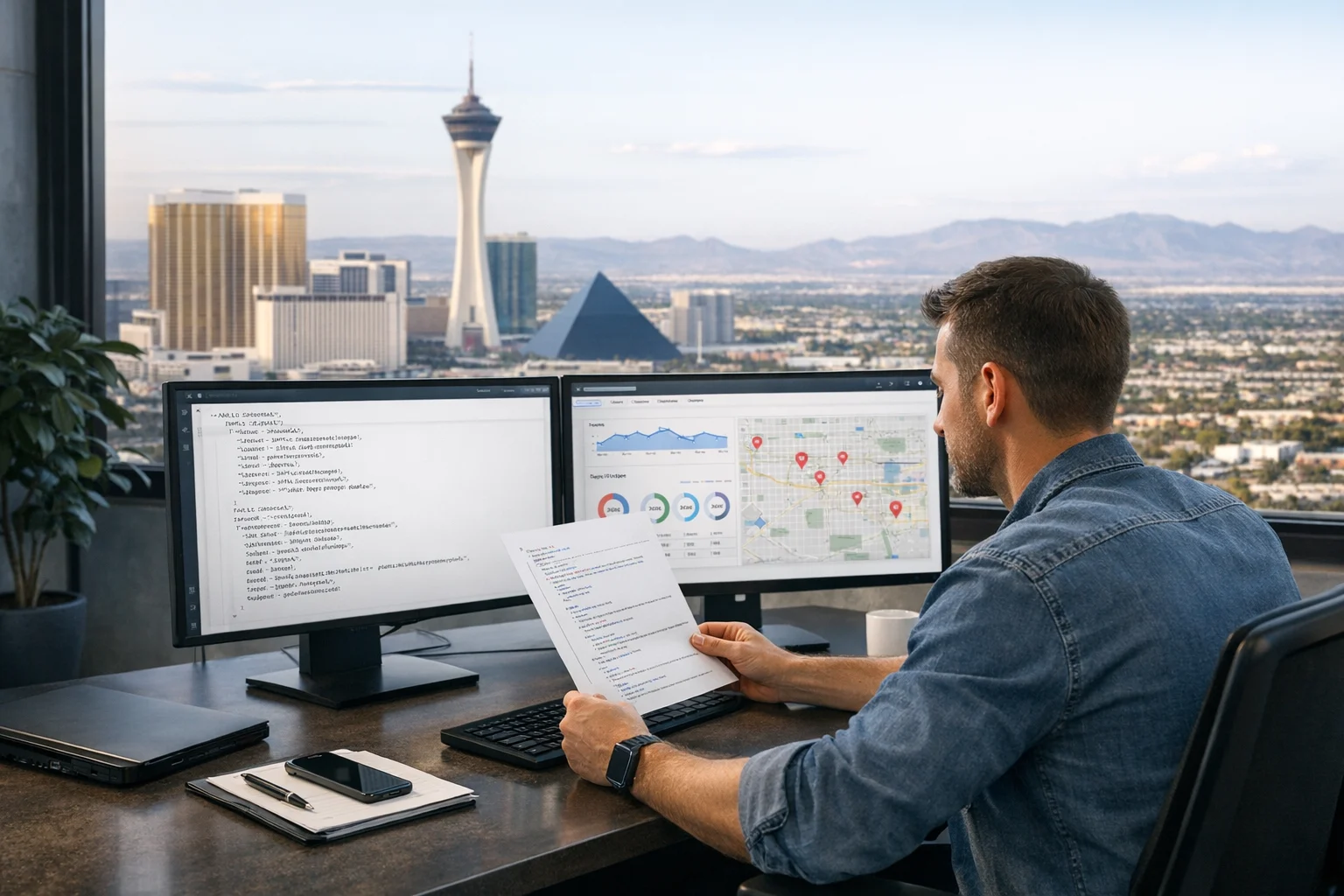
This is one reason SiteLiftMedia often approaches SEO with developers and infrastructure people in the room, not just content writers. Custom web design, fast hosting, technical SEO, and conversion focused page structure all interact. A beautiful site that loads slowly and frustrates users will not hold up. A fast site with thin content will not either.
If you want to see where the easy wins usually are, review this resource on how to audit a website for organic traffic opportunities. Most businesses have more room for improvement than they realize.
Authority signals still matter, but the bar is higher
Links still matter. Brand mentions still matter. Real expertise still matters. What has changed is that weak authority signals are easier to spot, and generic authority building rarely moves the needle the way it used to.
If you are investing in backlink building services, make sure the effort supports actual business relevance. Random links from unrelated sites are not a strategy. Stronger signals come from industry relevant websites, local business coverage, community connections, legitimate partnerships, expert commentary, and content that deserves to be referenced.
For service based companies, trust signals often come from a mix of:
- Reputable links and citations
- Clear service pages
- Experience shown in content
- Strong reviews and testimonials
- Case studies and project examples
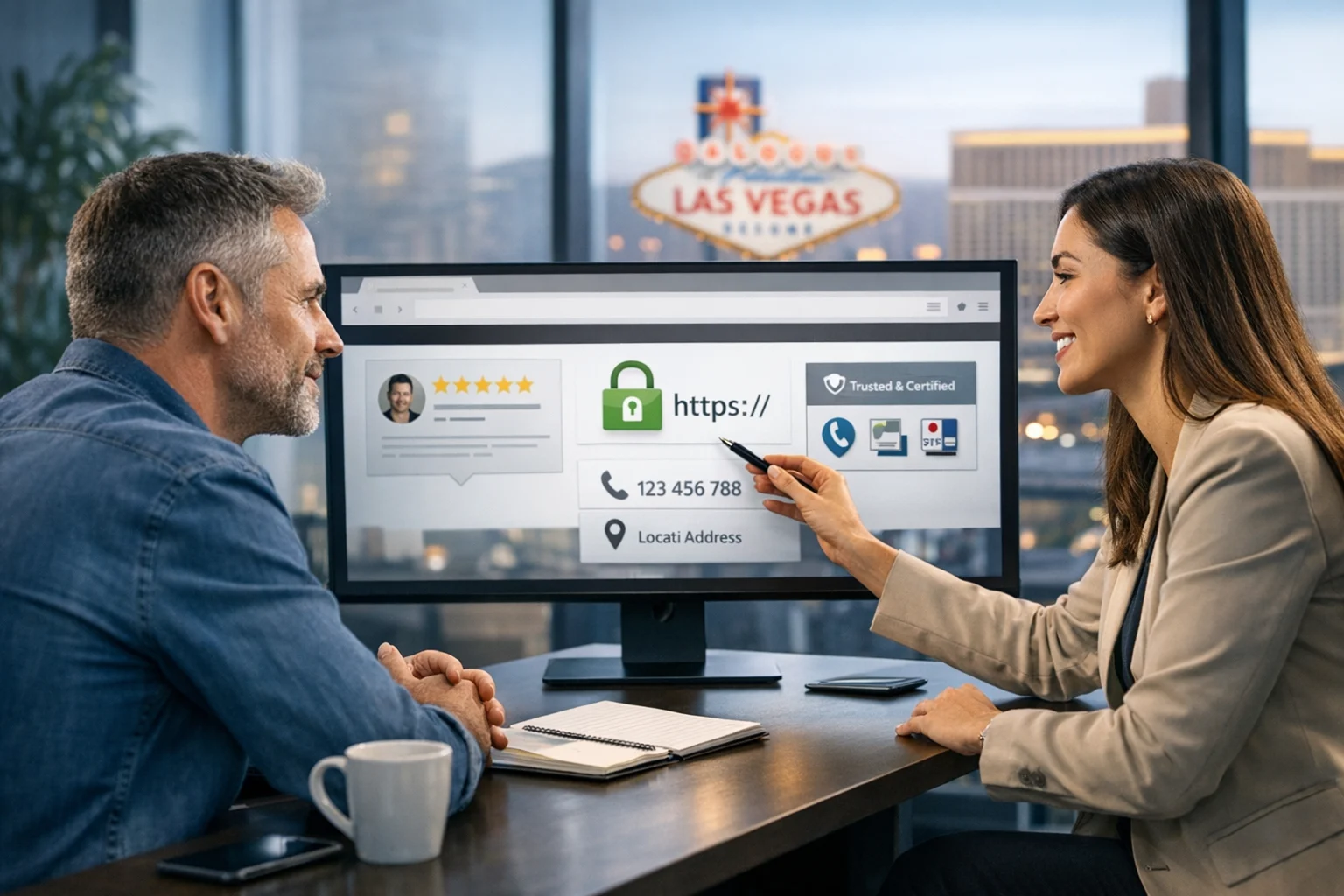
- Visible contact and company information
This matters in Las Vegas and nationwide. A business trying to rank for web design Las Vegas or SEO company Las Vegas needs more than optimized copy. It needs proof that the company can execute, support clients, and maintain performance after launch.
Businesses should rethink reporting before they rethink SEO
A lot of the panic around AI Overviews comes from bad reporting habits. If your dashboard is built around sessions and nothing else, normal changes in search behavior will look worse than they are. You need reporting that connects visibility to revenue.
What should you track now?
- Qualified leads by channel
- Phone calls and form completions
- Branded search growth
- Organic assisted conversions
- Map pack visibility
- Landing page engagement by intent type
- Search queries that trigger local, commercial, and informational impressions
It also helps to segment traffic by page type. Service pages, city pages, blog content, and branded pages behave differently. When you review them together, you can misread what is really happening.
We often tell clients this: if informational clicks decline but service page leads rise, you do not have a traffic problem. You have a measurement problem.
AI search visibility is broader than classic rankings
Businesses also need to understand that SEO is no longer just about ten blue links. Search visibility now includes AI citations, answer formatting, entity clarity, structured content, local relevance, and brand recognition. This is why many teams are hearing terms like GEO and wondering if it replaces SEO. It does not. It is a sign that search optimization is expanding.
Search engines and AI systems need to understand who you are, what you do, where you operate, and why your content should be trusted. Your brand language, page structure, schema, supporting content, reviews, and off site mentions all work together.
If you are trying to make sense of that shift, SiteLiftMedia breaks it down here: what GEO means in SEO and AI search visibility today.
Your website, security, and infrastructure affect marketing more than most teams realize
This part often gets ignored until something breaks. A business cannot compete effectively in AI influenced search if the website is unstable, insecure, or poorly maintained. Search engines want to send users to reliable destinations. Buyers do too.
The backend matters. Website maintenance matters. System administration matters. Server hardening matters. Business website security matters. If your site goes down during a busy summer campaign, gets infected, or delivers a poor mobile experience because of hosting issues, your marketing performance suffers fast.
For businesses with custom functionality, apps, forms, portals, or API driven workflows, security can affect trust and uptime directly. That is why many growth focused companies pair marketing with broader support like penetration testing, cybersecurity services, and infrastructure planning. It is not just an IT issue. It is part of protecting lead flow and preserving search equity.
SiteLiftMedia works with businesses that need both visibility and operational reliability, which is increasingly important for companies scaling campaigns across PPC, SEO, content, and web development at the same time.
What smart businesses are doing right now
The companies adjusting well to AI Overviews are not trying to game the system. They are tightening execution.
They are:
- Refreshing outdated content instead of publishing filler
- Building better service pages with stronger commercial intent
- Improving local landing pages for cities that actually matter
- Strengthening technical SEO and internal linking
- Using PPC to support gaps where organic visibility is shifting
- Creating content that reflects real expertise and real customer questions
- Investing in stronger websites, faster hosting, and cleaner UX
That paid support point matters more now. If your business depends heavily on search leads, the smartest move is often to combine channels while organic strategy matures. A blended plan helps smooth volatility and capture high intent demand. SiteLiftMedia has also covered how to combine PPC and SEO for better long term growth, which is especially useful when search behavior is changing faster than your reporting model.
For Las Vegas businesses preparing for stronger competition, this is the moment to get serious. Hospitality, legal, medical, home services, contractors, professional services, and multi location brands are all fighting for attention in more crowded result pages. The winners will not be the ones publishing the most content. They will be the ones with the clearest authority, the fastest sites, the strongest local signals, and the most effective conversion paths.
If your traffic has changed since AI Overviews started showing more often, do not guess. Audit the pages that lost clicks, identify which queries still drive leads, strengthen your local and service intent pages, and fix the technical issues that weaken trust. If you want a team that can handle Las Vegas SEO, web design, technical SEO, content strategy, paid support, and the infrastructure behind it, contact SiteLiftMedia and find out what your search presence is really doing right now.
Photo Gallery