WordPress still powers a huge share of the web, and that tells you something important. It is flexible, proven, and familiar. But for growing businesses, the real question is not whether WordPress is still relevant. It is whether you should settle for a generic setup or invest in something built around how your business actually sells, scales, and operates.
At SiteLiftMedia, we have worked with businesses that started with a budget theme, a stack of plugins, and a site that looked good enough at launch. A year later, that same site was slowing down campaigns, creating maintenance headaches, and making SEO harder than it needed to be. That is where custom WordPress development still matters. It gives you more control over performance, structure, security, content workflows, and conversion paths in a way cookie cutter builds rarely can.
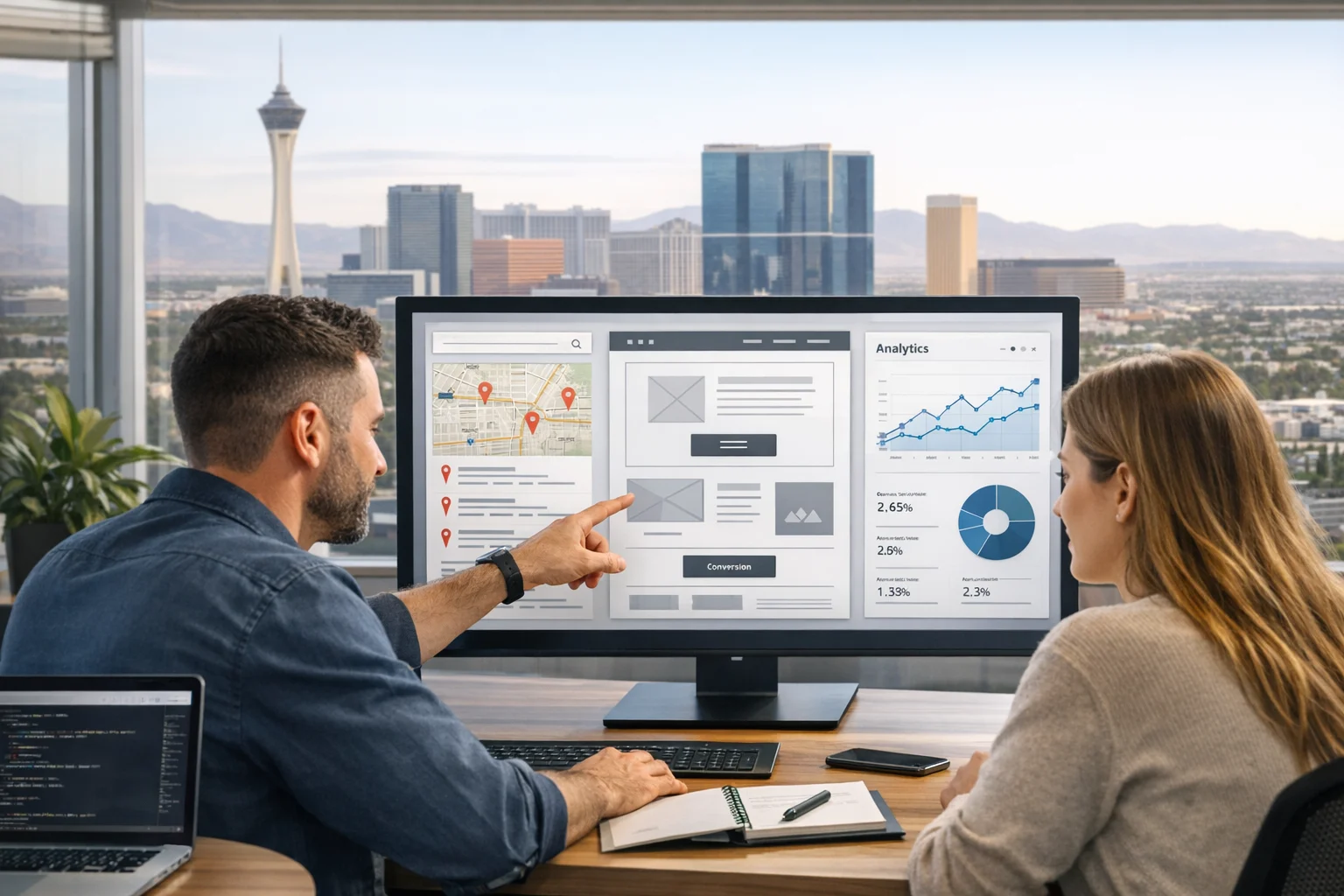
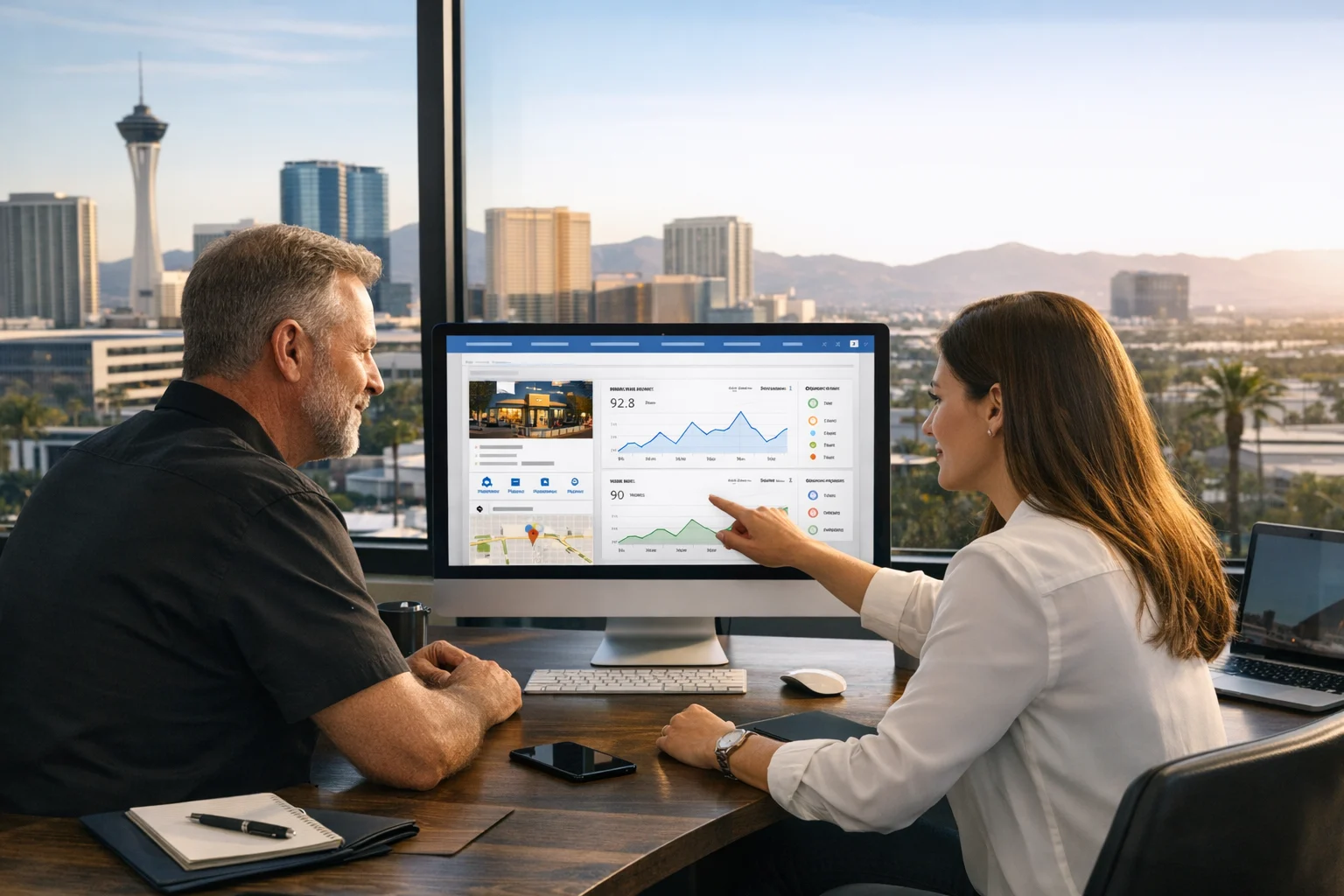
That matters even more in a market like Las Vegas. Search visibility is crowded. Customers are impatient. Mobile performance matters. Seasonal promotions matter. Local trust matters. If your company is trying to rank for terms tied to web design Las Vegas, Las Vegas SEO, local SEO Las Vegas, or service specific search intent in Nevada, your website cannot just sit there. It has to pull its weight.
For nationwide businesses, the same idea applies. Growth exposes weaknesses. What worked when you were smaller often becomes the thing holding you back once lead volume, content demands, integrations, and security expectations increase.
Growth changes what a business needs from its website
Early stage websites are often built to get online quickly. That is understandable. Speed matters when you are launching a brand, validating an offer, or trying to keep costs under control. The problem is that many of those early choices stay in place long after the business has outgrown them.
A growing company usually needs more than a homepage, a services page, and a contact form. It may need separate conversion paths for different customer types, landing pages for paid campaigns, location pages, structured service content, CRM integration, advanced forms, gated resources, hiring pages, custom content models, or client portals. You can force those needs into a generic theme, but the result is often messy.
Custom WordPress development lets the website reflect the business instead of forcing the business to work around theme limitations. That distinction matters. When your site is designed around your real sales process, content strategy, and operational workflow, it becomes much easier to scale marketing without constantly fighting the platform.
Templates can look polished while quietly hurting performance
One of the biggest myths in web design is that if a site looks polished, it must be solid underneath. That is not how it works. A visually attractive site can still be bloated, fragile, and difficult to rank.
Many off the shelf themes come loaded with features meant to appeal to everyone. Sliders, animation libraries, bundled builders, widget systems, shortcode frameworks, and styling options all add weight. Businesses rarely use most of them, but they still inherit the overhead. The result is more code, more requests, more plugin dependencies, and more chances for conflict.
Custom web design built on WordPress gives developers the ability to keep what matters and strip out what does not. That means cleaner templates, lighter front end assets, and better control over how content is rendered across devices. This is especially important for companies investing in technical SEO, paid search landing pages, and mobile conversion optimization.
If you are running campaigns during busy periods, such as summer promotions in Las Vegas, a slow website gets expensive fast. Traffic costs money. Attention is limited. A few extra seconds can quietly reduce calls, form submissions, and bookings.
SEO works better when the site architecture is intentional
Search performance is not just about writing articles and adding keywords. A site has to be structured in a way that supports crawling, indexing, content relationships, internal links, schema opportunities, and conversion intent. That is much easier when the website is custom built around the actual business model.
For example, a growing service company may need:
- Location pages that are genuinely useful, not duplicated filler
- Service pages with distinct layouts, FAQs, case studies, and trust elements
- Blog content tied to service clusters and commercial search intent
- Custom schema implementation for local business, services, reviews, and FAQs
- Fast page templates that support both rankings and conversion
- Clear internal links that guide users and search engines effectively
That is where custom WordPress development stands out. Instead of forcing every page into the same rigid design, you can create flexible templates that preserve consistency while giving each content type the right structure.
For companies targeting searches like SEO company Las Vegas or local SEO Las Vegas, these details matter. You are often competing against agencies, directories, and established local businesses with strong content footprints. A generic website can still index, but a purpose built one gives your SEO strategy better technical support from day one.
At SiteLiftMedia, we often see the strongest results when web design and SEO are planned together instead of treated as separate projects. Search visibility improves when design decisions support crawlability, page speed, and lead generation instead of working against them.
Custom development supports conversion, not just appearance
Business owners do not invest in a website just to admire it. They want calls, form submissions, quote requests, booked consultations, demo requests, and sales. This is where custom development has a practical business advantage.
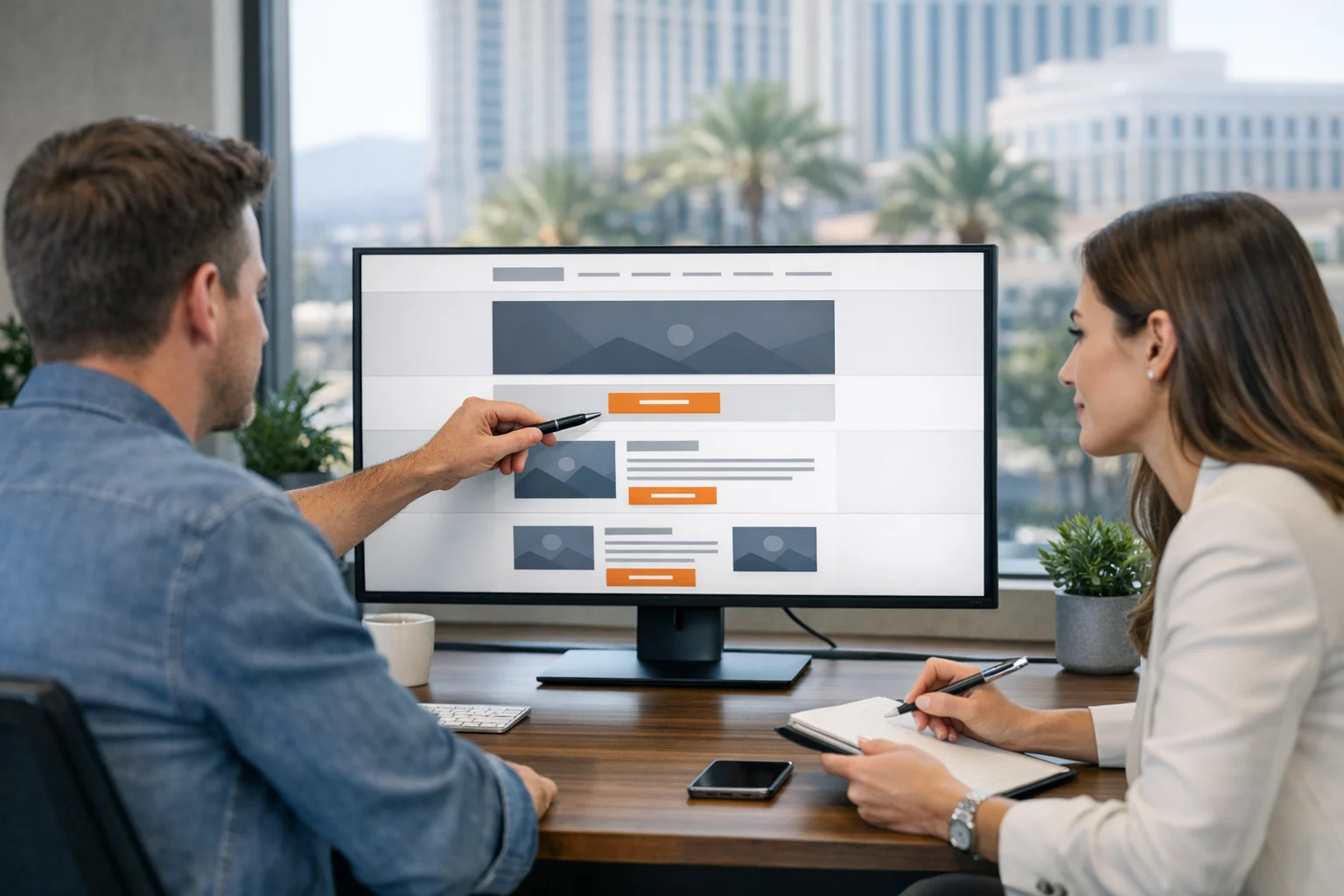
A custom WordPress site can be built around the way your customers actually decide. Maybe your buyers need detailed service comparisons. Maybe they need social proof close to the form. Maybe they convert better with a multi step estimator. Maybe your sales team needs qualification fields before a lead hits the CRM. Maybe your location pages need different calls to action based on market demand.
Those are not minor preferences. They directly affect lead quality and close rates.
When businesses rely on one size fits all themes, they often end up compromising on important UX decisions because the template was never built for their process. That can mean awkward form placement, weak mobile layouts, cluttered navigation, or service pages that look attractive but do not answer buying questions.
Custom WordPress development lets you design the journey with intention. It is not about reinventing every part of the wheel. It is about building the parts that affect revenue.
Security is not optional once your site starts mattering
A growing business website is more than a digital brochure. It may store leads, connect to email systems, accept uploads, manage user roles, sync data with third party tools, and support sales activity around the clock. That raises the stakes for security.
Generic WordPress builds often depend on too many plugins, outdated code, weak hosting environments, and admin setups that were never properly hardened. That is a dangerous combination. We have seen businesses lose search visibility, customer trust, and operating time because a site was neglected until something broke.
Custom development does not magically eliminate risk, but it does reduce unnecessary exposure. Fewer plugin dependencies, cleaner code, tighter user roles, and better hosting architecture make a real difference. A good agency also builds with website maintenance in mind, so updates, testing, backups, and monitoring are part of the plan instead of an afterthought.
If your business has any meaningful online lead flow, business website security needs to be taken seriously. That includes hosting decisions, access controls, patching policies, plugin review, and server level protections. SiteLiftMedia supports clients with broader cybersecurity services as well, including penetration testing, server hardening, and system administration when needed. That kind of cross discipline support matters because websites do not live in isolation. They sit inside a larger business environment with real risks attached.
For a closer look at one common issue, see how outdated WordPress plugins put business sites at risk.
WordPress still wins because it is open, adaptable, and practical
Some business owners assume that custom work means moving away from WordPress entirely. In many cases, that is unnecessary. WordPress remains one of the most practical foundations for content driven business websites because it combines editorial ease with deep development flexibility.
Your team can still manage pages, publish blog content, update core information, and work inside a familiar admin environment. At the same time, developers can create custom templates, fields, taxonomies, integrations, and workflows tailored to the business.
That balance is a big reason custom WordPress development still matters. You do not have to choose between total control and day to day usability. A well built custom setup gives you both.
It also helps that the broader ecosystem is mature. Hosting options are strong. Development standards are well understood. Integrations are abundant. And when custom code is done properly, future improvements become easier, not harder.
There is a reason WordPress continues to be a smart platform for service businesses, publishers, local companies, and growth focused brands. If you want more perspective on the technical side, PHP still powers the web for smart custom website builds is worth a read.
Not every page builder setup is wrong, but many hit a ceiling
There is nothing inherently bad about visual builders. They can be useful for smaller teams, faster launches, and simpler websites. The issue is that many growing businesses keep stretching builder based setups long after the tradeoffs become obvious.
As more pages, scripts, plugins, and marketing demands pile on, builder heavy sites often become harder to maintain. Layout consistency drifts. Performance slips. Reusable content structures become awkward. Design systems get loose. Editing may seem easier in theory, but it often becomes harder in practice because each page evolves into its own fragile snowflake.
The right answer is not always fully custom from top to bottom. Sometimes a hybrid approach makes sense. But once a business depends on its site for serious lead generation, multi location targeting, technical SEO, or complex service presentation, custom development usually offers a stronger long term return.
If you are weighing the tradeoffs, Elementor vs custom development can help frame the decision.
Las Vegas businesses often need more than a generic local site
Las Vegas is a unique market. Competition can be intense, customer expectations are high, and many businesses need to balance local credibility with broader regional or national reach. That creates specific demands for web design and SEO.
A law firm in Summerlin, a home service company serving the valley, a hospitality brand near the Strip, or a B2B provider targeting Nevada decision makers all need more than a pretty site. They need a platform that supports local intent, strong mobile UX, trust signals, and fast conversion.
That is why terms like web design Las Vegas, Las Vegas SEO, and SEO company Las Vegas are not just keyword targets. They reflect businesses actively looking for agencies that understand the competitive realities of the market.
A custom WordPress site can support that in several ways:
- Location specific content structures without thin duplication
- Better internal linking between services, industries, and geographic pages
- Stronger performance on mobile, where local search demand is high
- Custom calls to action for calls, map clicks, quote requests, and seasonal campaigns
- Technical SEO improvements that help local rankings and user experience together
For Las Vegas businesses preparing for tougher competition, that level of control is valuable. You may be running PPC, social media marketing, backlink building services, and local SEO campaigns at the same time. If the website is not built to support those efforts, marketing costs go up while efficiency goes down.
Custom sites are easier to integrate with real business operations
As companies grow, the website often needs to connect with more systems. CRM platforms, scheduling tools, quoting software, analytics setups, call tracking, marketing automation, event tracking, invoicing workflows, or even internal dashboards can all become part of the picture.
This is where template based sites usually start to show strain. They may technically connect, but the experience becomes patched together. Admin workflows get clumsy. Data gets inconsistent. Teams rely on workarounds because the site was never designed with operations in mind.
Custom WordPress development allows those interactions to be planned from the start. Forms can be structured around lead qualification. Tracking can be implemented cleanly. Content modules can match the way marketing teams actually work. Admin interfaces can be simplified so staff members are not clicking through clutter just to update key information.
That operational side matters more than many businesses expect. A website should not only look better externally. It should also reduce internal friction.
Maintenance gets cheaper when the build is cleaner
Some companies assume custom means expensive forever. In reality, long term cost usually depends more on build quality than on whether the site started with a theme or a custom framework.
A cheap website that relies on too many moving parts can become surprisingly expensive to maintain. Plugin conflicts, theme updates, layout regressions, slow troubleshooting, and compatibility issues all consume time and money. That is especially frustrating when your site is tied to active lead generation.
A cleaner custom build usually means fewer dependencies, clearer code ownership, and a more predictable maintenance cycle. That makes website maintenance easier to manage over time. It also supports better testing before updates go live, which is critical for businesses that cannot afford downtime.
SiteLiftMedia often approaches this from both a marketing and infrastructure perspective. Fast hosting, disciplined updates, and performance monitoring are not separate from web design. They are part of how the website keeps doing its job.
Brand differentiation is easier when your site is not borrowing someone else’s layout
One of the least discussed problems with theme based websites is how often they make businesses look interchangeable. The fonts may change. The colors may change. The stock imagery may change. But the structure still feels familiar because it was built to please the broadest possible audience.
That is not ideal when your company is trying to stand out in a competitive service market.
Custom web design gives you the ability to shape messaging, flow, hierarchy, and visual emphasis around your actual brand strengths. Maybe your differentiator is trust and depth. Maybe it is speed and responsiveness. Maybe it is premium service. Maybe it is technical credibility. Those distinctions should be visible in the site experience, not hidden beneath a recycled layout pattern.
For businesses selling higher value services, this matters a lot. Decision makers notice polish, but they also notice clarity. A custom site helps communicate that your business is established, intentional, and built for more than minimum viability.
What a smart custom WordPress build usually includes
Not every custom project has to be massive. The best ones are usually focused. They solve the right problems without overcomplicating the stack. For most growing businesses, a strong custom WordPress build often includes:
- A clear information architecture based on services, audiences, and search intent
- Lightweight templates for speed and maintainability
- Flexible content blocks with sensible editorial controls
- Clean mobile responsive layouts
- Technical SEO foundations such as schema, metadata control, proper heading structure, and crawl friendly templates
- Conversion focused forms and calls to action
- Security best practices, backups, and update planning
- Reliable hosting and support for future enhancements
That is very different from loading a premium theme, installing a builder, and hoping a dozen plugins can bridge the gap.
How to know if your business has outgrown its current WordPress site
If you are unsure whether custom development is worth it, look for friction in a few specific places.
- Your site is hard to update without breaking layouts
- Pages load slowly, especially on mobile
- Your SEO team keeps running into template or technical limitations
- Landing pages for PPC or social media marketing are hard to build properly
- You depend on too many plugins just to achieve basic functionality
- Your design no longer reflects the quality of your business
- Lead forms are generic and do not support qualification
- Security issues, update anxiety, or hosting instability keep resurfacing
- Your team is using workarounds because the admin experience is clunky
If several of those sound familiar, the issue usually is not just cosmetic. It means the site is becoming an operational bottleneck.
What to do next if your website is holding growth back
The smartest next step is not guessing. It is getting a real assessment of how your current website performs across design, SEO, speed, security, and lead flow.
At SiteLiftMedia, we help businesses figure out whether they need a targeted rebuild, a phased custom WordPress upgrade, or a broader digital growth plan that includes Las Vegas SEO, technical SEO, local SEO Las Vegas strategy, website maintenance, hosting improvements, and stronger business website security. For some companies, that also means support with PPC, backlink building services, social media marketing, system administration, or cybersecurity services where the website needs to tie into a larger growth and risk management picture.
If your site feels harder to manage than it should, or your marketing is outperforming the website underneath it, that is usually the signal. A custom WordPress build should not just make your site look newer. It should make your business easier to grow. If you want a practical review of where your current setup is helping or hurting, contact SiteLiftMedia and we will walk through it with you.
Photo Gallery