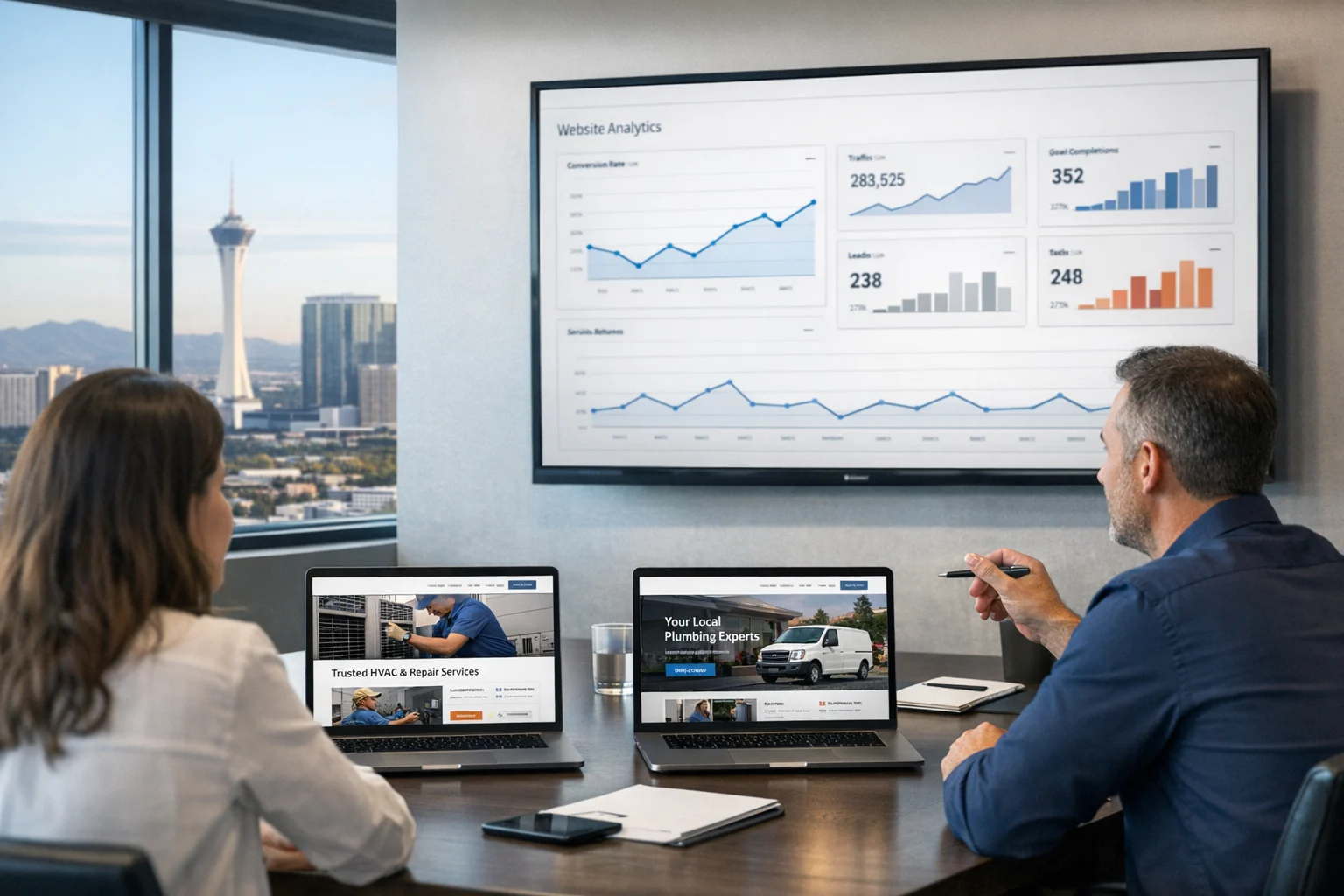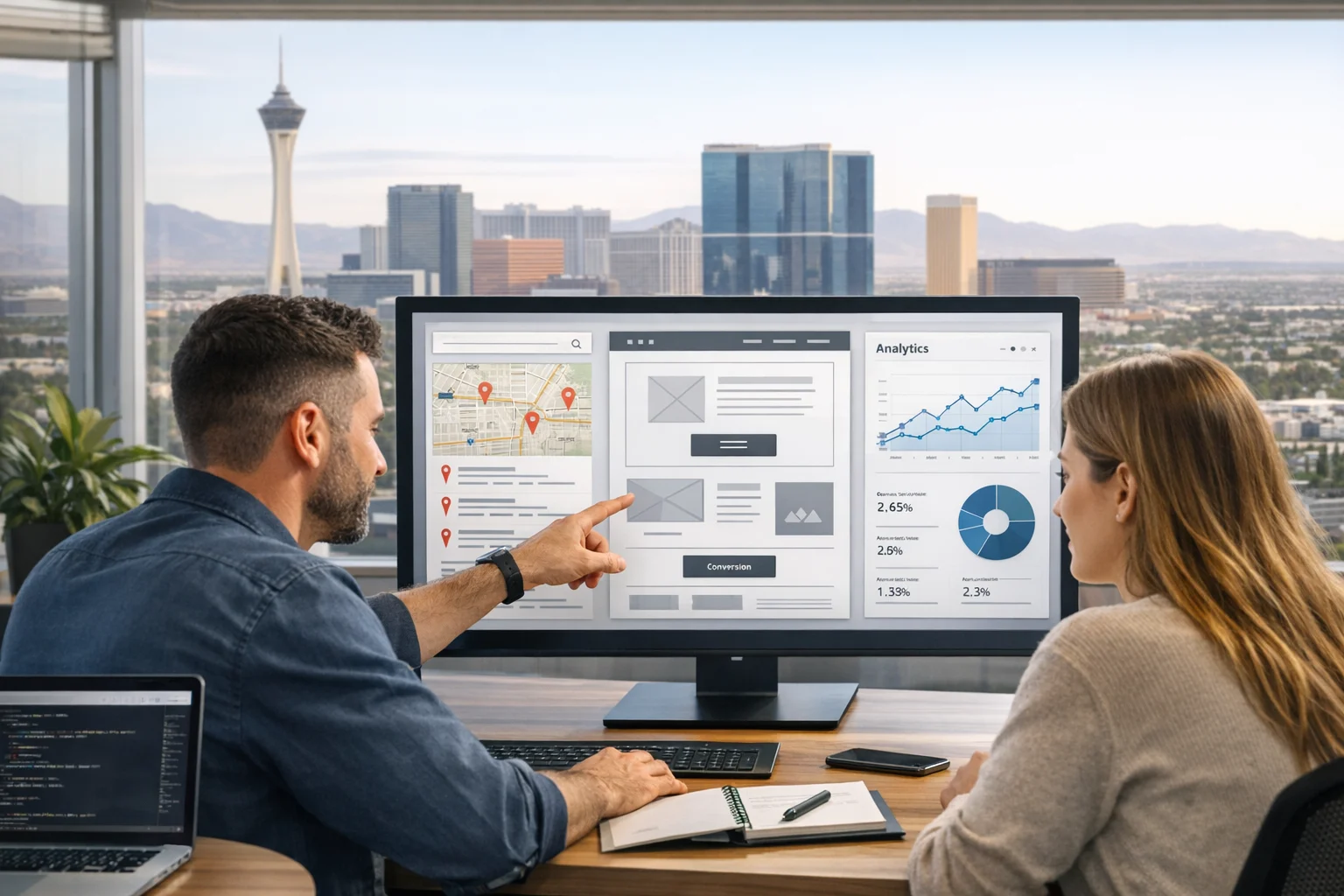
For years, companies treated branding and web design as separate projects. Brand teams focused on logos, colors, voice, and positioning. Web teams handled layouts, mobile responsiveness, and conversion paths. That divide has disappeared quickly. Today, the website is the brand in action. It is often the first sales conversation, the first customer service touchpoint, and the first proof that a company is as polished as it says it is.
That shift matters for business owners and marketing leaders because the market has changed. Buyers move fast, compare options even faster, and make trust decisions in seconds. They are not judging a brand by a logo or tagline alone. They are judging it by page speed, visual consistency, clarity of messaging, ease of navigation, mobile usability, and whether the site feels current. At SiteLiftMedia, we see this every week with companies across the country, especially competitive businesses in Nevada that need strong web design Las Vegas performance and stronger digital credibility.
This is one of the biggest practical shifts in digital marketing right now. The strongest modern brands are no longer separating identity from experience. They are building both together, and that is shaping SEO, PPC, social media marketing, lead generation, and even cybersecurity planning.
The website has become the most visible part of the brand
A brand used to live in a style guide. Now it is experienced on a screen. That sounds obvious, but many companies still treat the site like a brochure that gets a visual refresh every few years. Buyers read far more into it than that. A generic homepage tells them the company is interchangeable. A confusing menu suggests internal disorganization. Slow load times create doubt before the first form is even opened.
Modern branding shows up in the details of web design. It is in the way headlines sound. It is in how a call to action is framed. It is in whether service pages feel custom or copied from every competitor in the market. It is in whether a company can make a strong first impression on mobile without losing depth on desktop. That is why custom web design has become less of a luxury and more of a competitive requirement for brands that want to look credible.
We have worked with businesses that came to us asking for a redesign, only to realize what they really needed was a stronger brand presentation inside the website itself. The issue was not just aesthetics. The site was not communicating confidence, specialization, or trust. When branding and design are aligned, the website stops looking like a template and starts feeling like a company with a real point of view.
Design trends are now brand decisions, not just visual choices
Some companies still chase trends because they want to look modern. A better approach is understanding which trends actually support brand strategy. The best design work happening right now is not about copying what is popular. It is about using current design patterns to make a business feel clearer, more memorable, and easier to trust.
Minimal layouts with stronger personality
Clean interfaces are still in demand, but bland websites are not. The shift is toward simplicity with character. That means sharper typography, stronger headline writing, better spacing, and more deliberate use of brand color. Companies are stripping away clutter while making their message more distinctive. It is a subtle but important difference.
For Las Vegas businesses, that matters even more. Visitors and local customers are comparing a lot of options quickly. Whether you run a law firm, med spa, home service company, hospitality brand, or B2B service business, your site needs immediate clarity. A modern design without a clear identity fades into the background. If you want a closer look at how that is showing up in the local market, SiteLiftMedia recently covered web design trends Las Vegas businesses should watch.
Typography is carrying more of the brand voice
One of the biggest changes in web design is how much typography now influences perception. Type choices can make a company feel premium, approachable, technical, local, established, or aggressively modern. That goes well beyond style. It shapes trust before the user reads more than a few lines.
In practical terms, companies need to stop thinking about fonts as decorative extras. Typography should support readability, hierarchy, and tone. A financial firm should not feel casual by accident. A creative service brand should not feel stiff because of poor font pairing. More businesses are realizing that their on page voice and visual presentation need to work together like the same team.
Motion and interaction are part of identity now
Animation used to be treated like flair. Today, small motion cues often communicate polish and confidence. Hover states, button feedback, subtle scroll transitions, and guided content reveals can make a brand feel more refined when used well. Used poorly, they slow pages down and create friction. That is where experience matters.
There is a real balance here. You can modernize a website and still protect speed, which is critical for user experience and technical SEO. That matters even more for service businesses investing in search visibility and PPC at the same time. We wrote more about that balance in how to make your Las Vegas website modern without slowing it down.
Original imagery and local relevance are replacing stock sameness
Another reason branding and web design are blending is that audiences are much better at spotting generic websites. Stock imagery, vague icons, and boilerplate copy flatten brand value almost instantly. More companies are using original photography, real team shots, location relevant visuals, and messaging tailored to specific markets. That creates a stronger identity and often improves conversions.
In Las Vegas, local credibility matters. A company serving Summerlin, Henderson, North Las Vegas, or the wider Clark County area should not look like it was built for nowhere in particular. Local cues can be subtle, but they help. They show customers this business understands the market, the pace, and the expectations.
Brand consistency is now directly affecting SEO and conversion performance
This is where the conversation gets commercially important. Branding and design are not just about aesthetics. They affect search rankings, lead quality, ad performance, and cost per acquisition.
Think about how SEO works in the real world. Technical SEO helps search engines crawl, render, and understand your site. Strong content helps pages match intent. Good UX helps users stay engaged, move deeper, and convert. Brand clarity strengthens all of that. If the messaging is scattered, if the page layouts feel dated, or if the trust signals are weak, users bounce faster and convert less often, even when the traffic is relevant.
That is why a solid Las Vegas SEO strategy now overlaps with brand presentation more than many companies expect. Search visibility gets people in the door. The on site brand experience determines whether they trust you enough to take the next step. A good SEO company Las Vegas businesses can rely on should understand both sides of that equation.
Landing pages are a perfect example. The highest converting pages are rarely the loudest. They are the clearest. They match search intent, reflect the right brand tone, and remove friction. This is especially important for companies running PPC campaigns while also improving organic visibility. SiteLiftMedia covered this connection in landing page design trends that improve PPC and SEO.
Local SEO Las Vegas campaigns benefit from this blend too. Google Business Profile traffic, map pack clicks, branded search demand, and localized service pages all perform better when the visual identity and content strategy feel aligned. Users should not click from a polished profile or ad into a site that feels generic or outdated. That disconnect hurts trust right away.
Even backlink building services work better when the destination site looks worth referencing. Publishers, partners, and local organizations are more likely to link to a business that presents itself like a serious brand. The same goes for social media marketing. If your social presence looks active and intentional, but the website does not carry the same voice and design quality, brand momentum gets lost between channels.
We are also seeing AI search change how companies need to think about presentation. Search is becoming more answer driven and intent sensitive, which means websites need clearer structures, stronger content hierarchy, and sharper brand differentiation. SiteLiftMedia explored that shift in AI search trends shaping Las Vegas marketing this year.
Why Las Vegas businesses are feeling this shift faster
Las Vegas is a uniquely competitive market. Businesses here are used to high visual standards, fast buyer decisions, and heavy comparison shopping. That affects more than entertainment and hospitality. It carries into legal, health, beauty, fitness, real estate, home services, restaurants, professional services, and nearly every local category where a company is competing for attention online.
When someone searches web design Las Vegas, they are usually not looking for pretty pages alone. They want a site that feels credible enough to support growth. When they search Las Vegas SEO, they often need more than rankings. They need a site experience that can convert local traffic into calls, leads, appointments, and sales.
This is also why local businesses often outgrow disconnected vendors. One team handles SEO. Another runs ads. Another designed the logo years ago. Someone else updates plugins when they remember. The result is usually fragmented. Pages do not sound like the brand. Campaigns drive traffic to outdated landing pages. Offers are inconsistent. Maintenance gets delayed. Security gets ignored until something breaks.
The companies gaining ground in Las Vegas right now are tightening that up. They are treating brand, design, SEO, paid media, and site operations like one system. That approach gives them cleaner messaging, stronger conversion paths, and fewer weak points when traffic spikes hit during seasonal campaigns, events, or Q4 promotions.
The back end now shapes the brand as much as the front end
One of the most overlooked parts of this trend is what happens behind the scenes. A modern brand can lose credibility fast if the website is unreliable, insecure, or poorly maintained. If pages break on mobile, if forms stop sending, if the site slows down during peak traffic, or if security warnings appear, the brand damage is immediate.
That is why branding and web design now connect to infrastructure decisions too. Website maintenance is no longer just a technical chore. It protects the customer experience. System administration matters because uptime, hosting stability, backups, and performance tuning all affect how trustworthy a brand feels in practice.
Security is part of this conversation as well. More decision makers are realizing that cybersecurity services are not separate from marketing. They support it. Business website security protects lead forms, customer data, user trust, and search visibility. A hacked site can wreck rankings, ad performance, and brand reputation in one shot.
For companies handling sensitive data, ecommerce transactions, memberships, or customer portals, the stakes are even higher. Penetration testing helps uncover vulnerabilities before attackers do. Server hardening reduces risk at the infrastructure level. Ongoing monitoring and smart update management prevent small issues from turning into expensive incidents. If your site is part of the sales process, security readiness is part of the brand promise, whether customers see it directly or not.
We often tell clients this: a premium brand cannot live on a neglected website. If the front end says quality but the back end says fragile, users will eventually feel the mismatch.
What modern companies should audit before Q4 and holiday traffic ramps up
If your company is planning for Q4, year end campaigns, or seasonal traffic spikes, this is the right time to look at branding and web design together. Holiday traffic planning should not start with ads alone. It should start with whether the website can support the demand and whether the brand experience is strong enough to convert the attention you are paying for.
- Check your homepage message. Can a new visitor understand what you do, who you help, and why you are different in under five seconds?
- Review visual consistency. Do your colors, fonts, imagery, and page layouts feel like one brand, or like a collection of disconnected campaigns?
- Audit mobile UX. Most users will judge your company from a phone first. Forms, menus, tap targets, and page speed need to work cleanly.
- Test conversion paths. Calls to action, quote forms, bookings, carts, and lead routing should be easy to use and easy to trust.
- Improve technical SEO. Core pages should be crawlable, fast, well structured, and aligned with intent. Design should support content visibility, not bury it.
- Update local pages. If you serve Las Vegas or surrounding markets, your location messaging should feel specific, not copied and pasted.
- Align paid and organic landing pages. Your ads, search snippets, and on site brand tone should all feel like the same company.
- Review security posture. Patch management, backups, SSL, admin access controls, malware scans, and business website security basics should be current.
- Plan for traffic spikes. Performance tuning, caching, image optimization, CDN setup, and infrastructure readiness matter before campaigns launch, not after.
That kind of audit tends to reveal the truth quickly. If the website feels out of sync with the company you are trying to become, that gap will keep showing up in SEO performance, paid media efficiency, and sales conversations.
When it makes sense to bring in an agency
Some teams can handle pieces of this internally. Many cannot, at least not without losing time and momentum. If your brand has evolved but your website has not, if your SEO traffic is decent but conversions feel weak, or if your leadership team is preparing for a bigger growth push, it may be time for outside help.
The right agency should not force you to choose between brand polish and technical execution. You need both. That means strategy, design, development, SEO, paid media support, website maintenance, and security awareness working together. For some companies, it also means app development, system administration support, and a more serious infrastructure plan behind the scenes.
SiteLiftMedia works with businesses nationwide, with deep experience supporting Las Vegas companies that need a site to do more than look current. It has to rank, convert, perform, and stay secure. If your brand and your website are no longer telling the same story, now is a good time to fix it before the next campaign, busy season, or search update exposes the gap. If you want a clear roadmap, contact SiteLiftMedia for a review of your branding, design, SEO, and website performance.
Photo Gallery