Website personalization has evolved a lot over the last few years. It used to mean dropping a first name into an email or showing a generic welcome-back banner. Today, it means creating web experiences that respond to what visitors actually need in the moment. Done well, personalization can increase time on site, improve lead quality, lift conversion rates, and make your brand feel more relevant from the first click.
For business owners and marketing teams, that matters because traffic keeps getting more expensive. Whether you are investing in Las Vegas SEO, paid search, social media marketing, or backlink building services, you do not want to send people to a site that treats every visitor the same. A local prospect looking for a fast quote should not get the same experience as a national buyer researching long-term solutions. A returning user who already knows your brand should not have to restart the journey from zero.
At SiteLiftMedia, we have seen this firsthand across custom web design projects, SEO campaigns, and conversion-focused redesigns. The websites that perform best are not always the flashiest. More often, they are the ones that reduce friction, guide the next step clearly, and show the right content at the right time without feeling invasive or overbuilt.
If you are evaluating a new website, planning Q4 improvements, or trying to get more value from your current traffic, these are the website personalization trends worth watching.
Personalization now starts with relevance, not novelty
A lot of teams still think of personalization as a feature. In reality, it is a design and strategy decision. The goal is not to impress people with dynamic content just because you can. The goal is to make the site more useful.
That means asking a few practical questions:
- Where did this visitor come from?
- What service or problem are they most likely interested in?
- Are they new, returning, or already in the buying process?
- Are they in Las Vegas, another Nevada market, or somewhere else in the country?
- What device are they using, and how quickly can they take action?
Once you look at personalization that way, the opportunities become much clearer. Your homepage hero can change based on campaign source. Your service pages can highlight local proof for Las Vegas users. Your calls to action can shift based on whether someone read one page or five. Even the navigation can emphasize the paths people are most likely to need.
That is not gimmicky. It is just smart web design.
Location aware personalization is becoming much more important
For companies serving multiple markets, location-aware website experiences are one of the most effective ways to improve engagement. This is especially true for businesses competing in local search.
If someone searches for web design Las Vegas, they expect to land on a page that feels relevant to Las Vegas. They want to see local credibility, local examples, and language that reflects the market. The same goes for searches tied to local SEO Las Vegas, SEO company Las Vegas, or industry-specific services in Southern Nevada. A generic national page usually underperforms because it forces the visitor to decide whether you actually understand their market.
Strong location-aware personalization can include:
- Localized headlines and supporting copy
- Testimonials or case studies from the visitor's region
- Dynamic calls to action tied to local consultations or audits
- Location-relevant service blocks
- Content modules that speak to regional competition and search behavior
For Las Vegas businesses, this matters even more because the market moves fast and many industries are highly competitive. Hospitality, home services, legal, health, retail, events, and B2B companies all benefit when a website speaks clearly to local conditions instead of relying on one-size-fits-all messaging.
The key is to stay useful and honest. Good personalization feels relevant. Bad personalization feels forced. If a company barely serves a market, creating thin local variations will not help engagement or rankings. But if Las Vegas is a real target market, the site should reflect that.
Behavior based content blocks are replacing static page design
One of the biggest shifts in modern website personalization is the move from fixed layouts to behavior-informed content blocks. Instead of every visitor seeing the same supporting sections in the same order, businesses are using modular page design that adapts based on user signals.
Here is a simple example. A first-time visitor arriving from a broad informational search might see educational content, trust signals, and a softer call to action. A returning visitor who already viewed pricing or contact pages might see a stronger conversion push, a consultation offer, or proof points tied to decision-making.
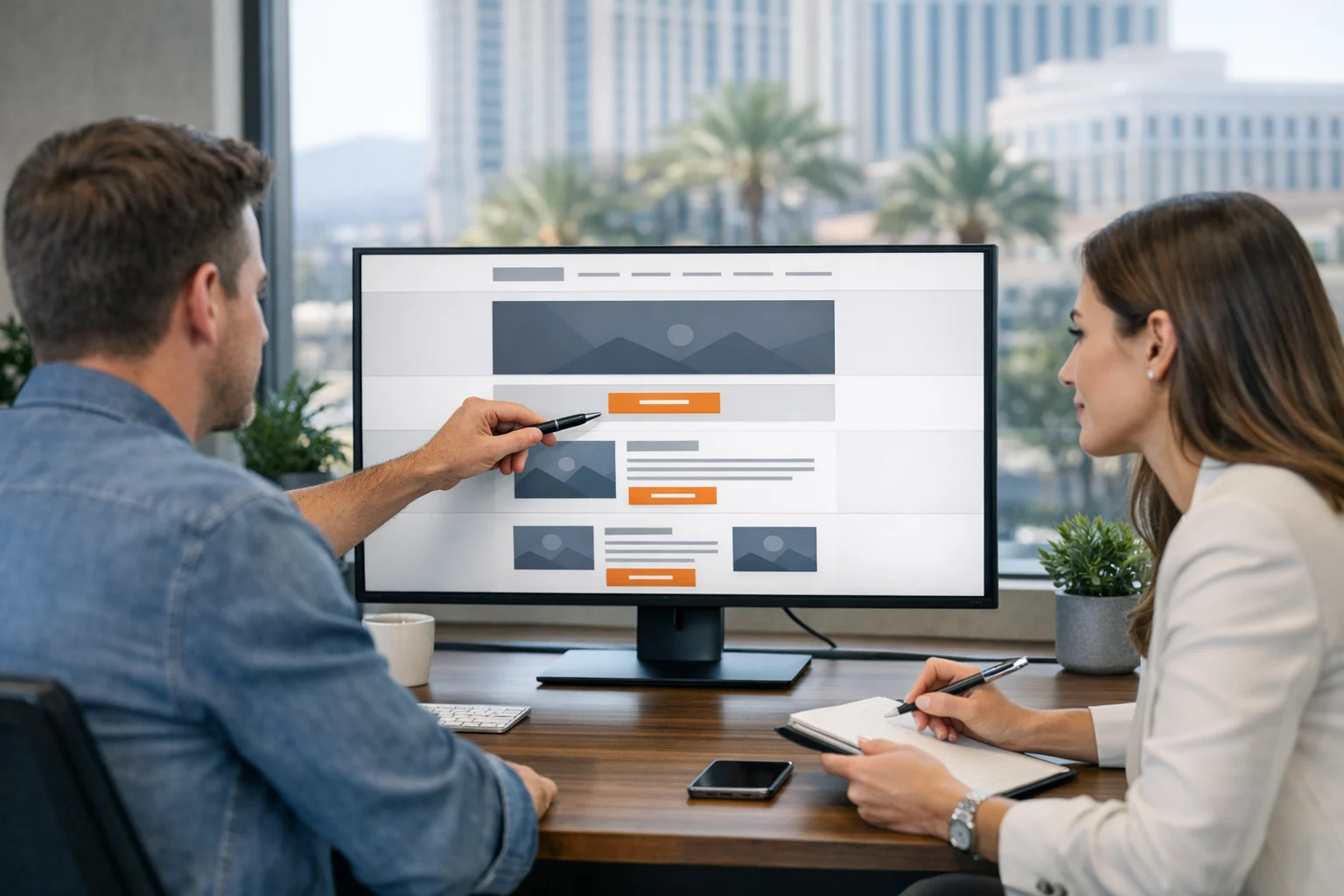
This works especially well on service pages, landing pages, and lead generation funnels. It also pairs well with smart visual hierarchy. If you want a deeper look at how page structure affects user action, SiteLiftMedia recently covered content layout and visual hierarchy and why those fundamentals still matter even when personalization is layered in.
What we like about behavior-based personalization is that it can be implemented without turning the site into a cluttered mess. You do not need to change everything. In many cases, the most effective updates involve swapping only a few blocks, such as:
- The main value proposition
- Featured services
- Testimonials and trust badges
- Lead form copy
- Download offers or next-step prompts
Those small changes can dramatically improve engagement because they narrow the gap between what the visitor expects and what the page delivers.
First party data is becoming the engine behind smart personalization
Third-party tracking has become less reliable, and that is pushing brands toward first-party data strategies. From a website standpoint, this is a healthy shift. It encourages businesses to gather information directly from their own visitors through forms, account behavior, saved preferences, on-site interactions, and consent-based analytics.
The best personalization setups now rely on signals such as:
- Pages viewed
- Services selected
- Industry category
- Location
- Download history
- Lead stage
- Appointment intent
For example, a company that offers SEO, PPC, web design, and cybersecurity services might let users self-identify their main need. Someone exploring technical SEO and backlink building services should not keep seeing generic website banners. Someone interested in penetration testing, server hardening, or business website security should be routed quickly toward the security side of the business.
That is where personalization starts pulling its weight commercially. It does not just make the site feel modern. It helps the sales process by qualifying intent earlier.
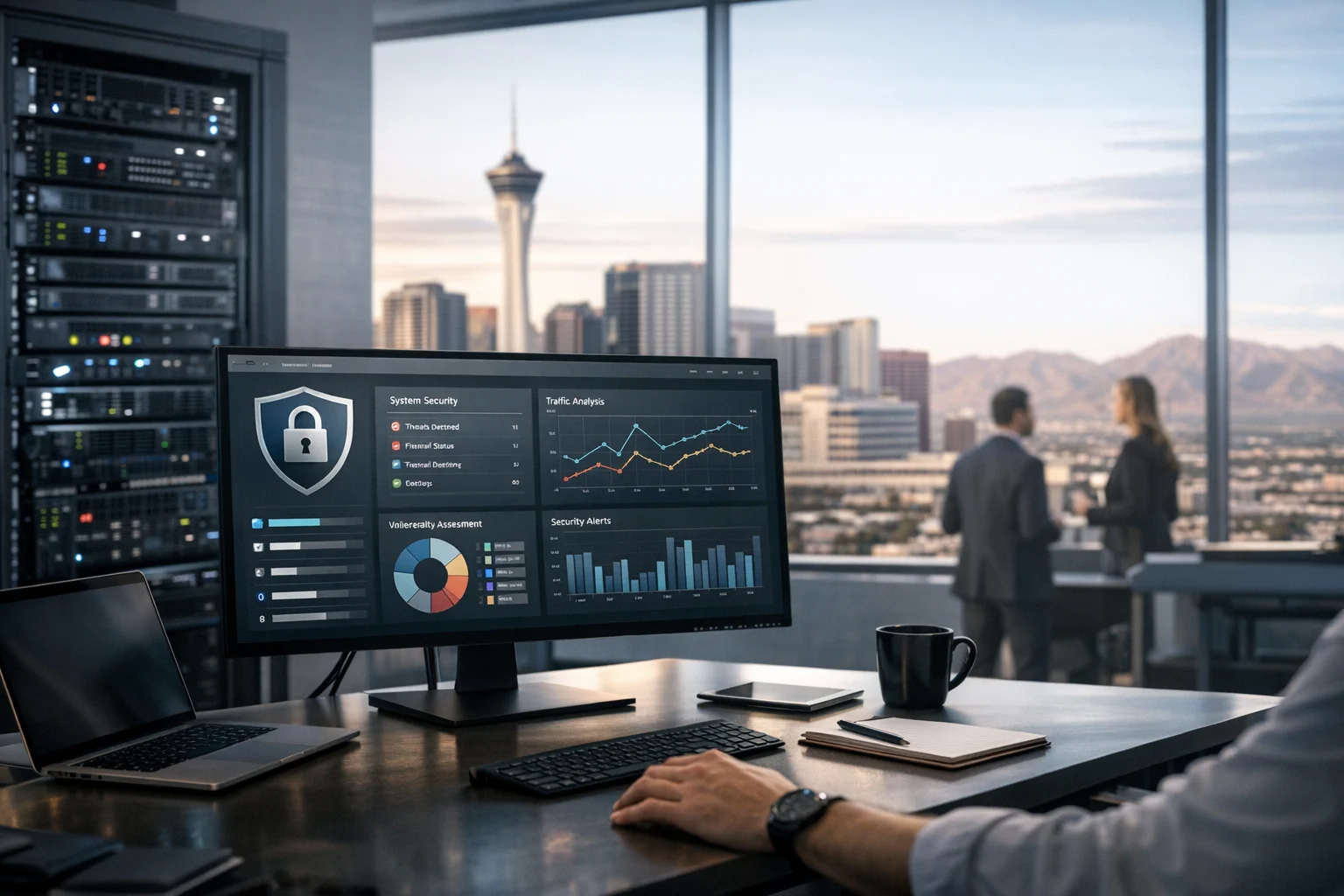
Of course, first-party data comes with responsibility. If your website collects visitor information, the site needs strong security hygiene. This is not optional. Secure forms, proper access controls, software updates, clean integrations, and encrypted data handling all matter. Businesses that want to personalize aggressively while neglecting website maintenance, system administration, or cybersecurity services are taking a real risk.
We have talked with plenty of companies that wanted advanced marketing features but had not addressed core infrastructure problems first. If your site is outdated, poorly maintained, or vulnerable, personalization should not be the first item on the roadmap. Security readiness needs to be part of the plan.
AI assisted personalization is useful when humans stay in control
AI is now showing up in website personalization through recommendation engines, smart search, chat tools, lead routing, content suggestions, and predictive calls to action. Some of these tools are genuinely useful. Others just add noise. The difference usually comes down to whether the business sets clear rules and goals.
A good AI-assisted experience might help a user find the right service faster, recommend relevant resources based on browsing patterns, or qualify a lead before they submit a form. A bad one interrupts the visit with generic prompts, repetitive chatbot messages, or recommendations that only loosely match the visitor's intent.
For businesses in competitive markets like Las Vegas, AI can absolutely support a stronger user experience. It just should not replace good judgment. SiteLiftMedia touched on this in our article about how AI website tools can improve UX for Las Vegas brands. The takeaway is simple: use automation to reduce friction, not to fake human connection.
Some of the most practical AI-driven personalization uses we are seeing include:
- Dynamic FAQ suggestions based on the page being viewed
- Smarter internal site search results
- Automated lead segmentation before CRM handoff
- Industry-relevant content recommendations
- Session-based call to action adjustments
These features work best when they support the buying journey instead of distracting from it.
Fast, accessible websites still outperform clever but heavy ones
This is where a lot of personalization projects go wrong. Teams add scripts, tools, popups, tracking layers, and dynamic assets until the site slows down and the user experience gets worse. Any engagement gains disappear because the pages feel sluggish or unstable.
If personalization hurts performance, it is not helping the business.
That is why speed and technical SEO need to stay tied to web design decisions from the start. SiteLiftMedia has written about why fast loading websites matter for Las Vegas businesses, and the same logic applies here. Personalization should be built in a way that protects page speed, mobile usability, and crawlability.
That usually means:
- Keeping scripts lean and well managed
- Reducing unnecessary plugins and app bloat
- Using server-side logic where appropriate
- Testing dynamic content across devices and browsers
- Monitoring Core Web Vitals and conversion impact together
Accessibility matters too. If the personalized experience becomes harder to navigate for keyboard users, screen reader users, or people with cognitive challenges, engagement will drop for the wrong reasons. More importantly, it creates real usability problems that should never make it into production. If this is part of your website roadmap, take time to review these accessibility trends shaping better user experiences so personalization does not come at the expense of usability.
Service businesses are using personalization to improve lead quality
For service-based companies, engagement is not just about getting more clicks. It is about attracting the right inquiries. That is why personalization has become such a practical tool for improving lead quality.
Take a business that offers multiple services under one brand. Maybe it handles custom web design, Las Vegas SEO, social media marketing, technical SEO, and website maintenance. If every prospect goes through the same generic journey, the team ends up with a mixed bag of inquiries and inconsistent detail. But if the site tailors page content, lead forms, and resources based on service interest, the leads become clearer and easier to close.
Some of the most effective patterns include:
- Showing service-specific proof once a user demonstrates interest
- Using different lead forms for high-intent and research-stage visitors
- Highlighting local work for visitors in Nevada
- Offering audit requests for SEO traffic and demos for design traffic
- Adjusting calls to action by industry type
This is especially helpful for businesses with both local and national audiences. A Las Vegas company may want stronger local trust signals and local SEO Las Vegas messaging for nearby prospects while keeping broader service content available for national buyers. Personalization makes that balance easier.
Personalization is moving deeper into the full customer journey
Another important trend is that personalization no longer stops at the first conversion. Businesses are extending it into onboarding, support, account areas, and retention campaigns.
That matters because engagement does not end when someone fills out a form. If your website includes client portals, resource libraries, recurring services, or support flows, the post-conversion experience can be personalized too. Returning visitors might see maintenance updates, open tickets, relevant resources, or recommendations tied to their service plan.
This is a natural fit for companies offering ongoing digital services. A client using website maintenance may need different dashboard content than one focused on SEO reporting. A business concerned about cybersecurity services may want alerts related to business website security, system administration, or server hardening. A prospect researching web design may need examples and strategy content, while an active client may need timelines and approvals.
When businesses think this way, the website becomes more than a digital brochure. It becomes a working part of the client experience.
Q4 and holiday traffic planning make personalization more valuable
Seasonal traffic spikes expose weak websites quickly. During Q4, holiday campaigns, event cycles, and year-end budget pushes, visitors are less patient and marketing teams are under more pressure. Personalization can help here, but only if the site is ready for the load.
For Las Vegas businesses, seasonality can be especially sharp depending on the industry. Tourism, entertainment, hospitality, ecommerce, and local services often see noticeable shifts in demand. During those periods, the site should be able to adjust messaging, offers, and next steps without requiring a full redesign every few weeks.
Practical seasonal personalization might include:
- Homepage modules tied to holiday promotions or year-end offers
- Returning visitor banners for abandoned consultations or quotes
- Localized service promotions for Las Vegas traffic
- Event or campaign landing pages matched to PPC traffic
- Support messages tied to deadlines, availability, or fulfillment windows
Before those campaigns go live, it is smart to handle performance tuning, load testing, caching checks, and security reviews. If you are expecting more traffic, it is also a good time to assess penetration testing readiness, form reliability, bot filtering, and login protection. A personalized site that breaks under pressure is not ready for revenue-driving traffic.
Common personalization mistakes that hurt engagement
Not every personalization effort improves results. Some create more friction than the static version they replaced. These are the issues we see most often:
- Too many moving parts. If every section shifts at once, the page can feel chaotic and hard to scan.
- Weak strategy. Personalizing content without tying it to visitor intent usually creates random experiences.
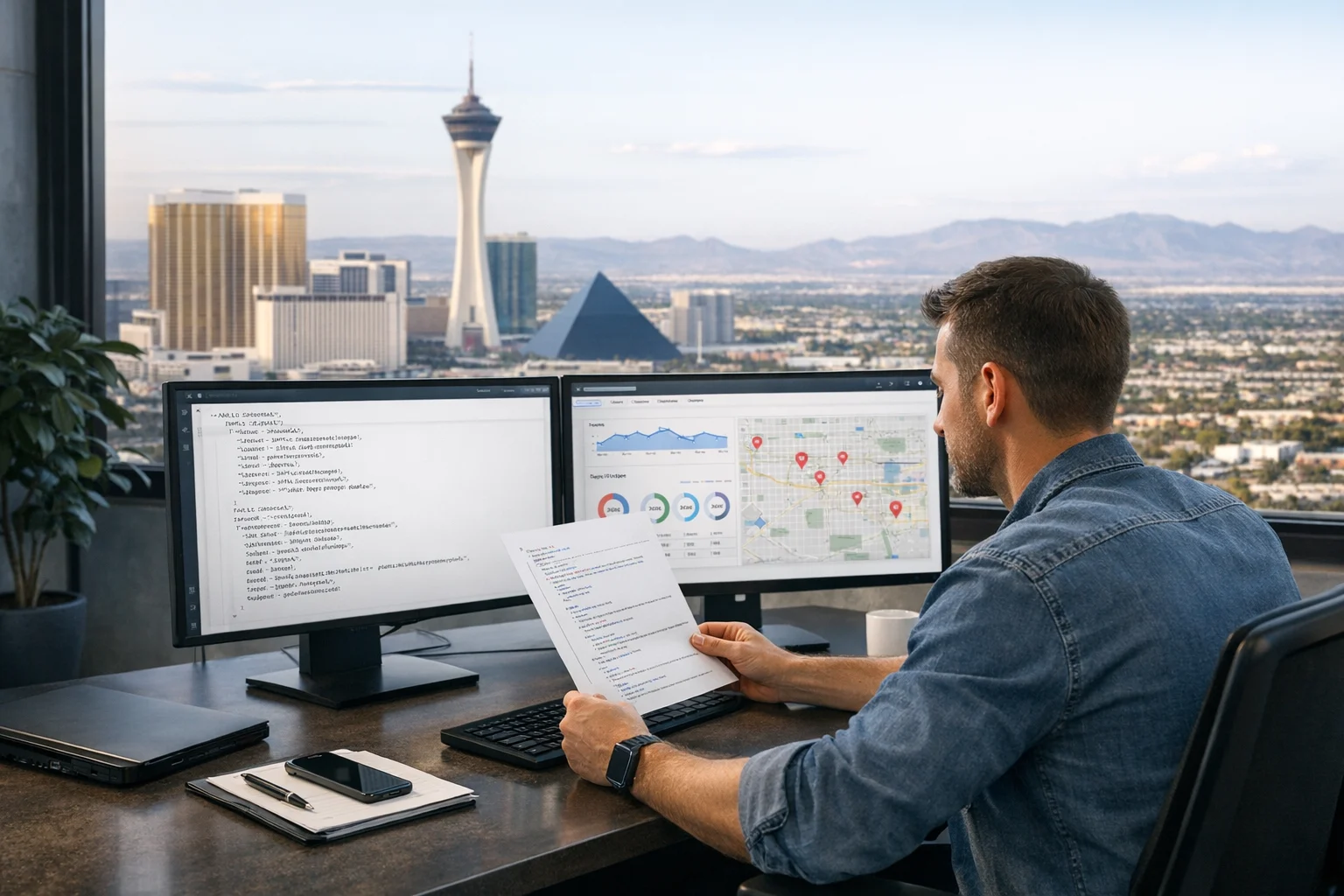
- Ignoring SEO impact. Dynamic pages still need crawlable structure, indexable content, and strong technical SEO.
- Slow performance. Heavy scripts, plugin overload, and poor implementation erase engagement gains.
- Privacy blind spots. Data collection without clear consent and protection damages trust quickly.
- Forgetting mobile users. Many personalized experiences look fine on desktop and break the moment they hit a phone.
The best rule is simple: if a personalized element does not make the next step easier, it probably should not be there.
What a smart implementation plan looks like
Most businesses do not need a massive rebuild to start using personalization well. A better approach is to prioritize the pages and audience segments with the clearest business value.
Start with high intent pages
Focus on service pages, landing pages, pricing pages, and lead forms first. These are usually where small relevance gains have the biggest revenue impact.
Choose a few meaningful segments
Think in terms of local versus national traffic, new versus returning visitors, and service-specific interest. Keep it simple at the beginning.
Measure both engagement and lead quality
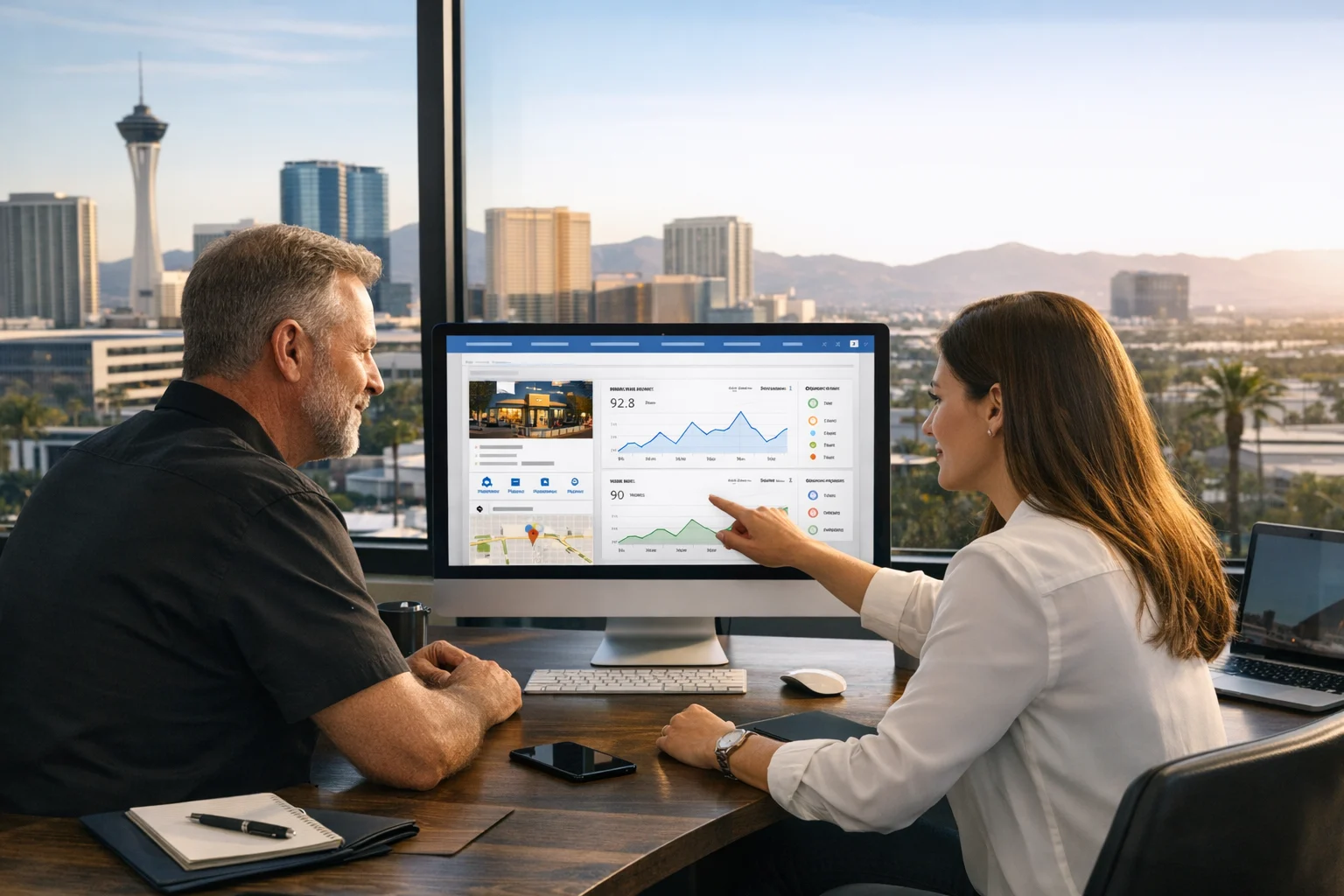
Do not stop at page views or time on site. Track form completion, call quality, booked appointments, and sales outcomes.
Protect performance and security
Every new tool should be checked against page speed, website maintenance requirements, and business website security standards.
Refine with real data
Personalization is not a one-time switch. The best systems improve through testing, observation, and ongoing design decisions.
If your current site is treating every visitor the same, there is probably money being left on the table. SiteLiftMedia helps businesses plan and build custom web design experiences that align with search intent, conversion goals, technical SEO, and long-term maintainability. If you want to improve engagement without sacrificing speed, accessibility, or security, reach out to SiteLiftMedia and start with the pages where relevance will have the biggest impact.
Photo Gallery